

Mercury LN7 A/C System Valve Core and Cap Kit (1982-1983)
Leaking A/C service ports are a common reason for weak cooling in your 1982-1983 Mercury LN7.
- A leaking A/C valve core is a very common cause of weak cooling in older cars like the LN7.
- The main cost of this repair is not the part, but the professional labor to evacuate and recharge the A/C system.
- Ensure your LN7 has been converted from the old R-12 to the modern R-134a refrigerant.
- Check if your vehicle is affected by the A/C blower motor resistor recall (NHTSA ID: 82V045000).
Is Your LN7's A/C Not as Cold as It Used to Be?
If the air conditioning in your 1982-1983 Mercury LN7 is blowing warm, a refrigerant leak is the most likely cause. While leaks can occur anywhere in the system, a common and often overlooked failure point is the service port valve core. These small valves can degrade over time, allowing refrigerant to escape slowly and causing your A/C performance to decline.
Vehicle-Specific A/C System Recall
There is a recall for the 1982 Mercury LN7 concerning the A/C and heater system (NHTSA Campaign ID: 82V045000). A component in the blower motor resistor circuit could overheat, potentially leading to a fire. It is critical to ensure this recall work has been performed on your vehicle. Contact a Ford or Lincoln-Mercury dealer with your VIN to check the status.
Symptoms of a Leaking A/C Valve Core
A failing valve core is a frequent source of slow refrigerant leaks. Here’s what to look for:
- Weak or No Cooling: This is the most obvious sign. A slow leak will cause cooling to get progressively worse over weeks or months.
- Hissing from Service Ports: After removing the plastic cap, you might hear a faint hiss of escaping gas. You can also check for leaks using a soap and water solution.
- Oily Residue: Refrigerant contains oil to lubricate the A/C compressor. If a valve is leaking, this oil can escape and attract dirt, leaving a grimy, oily residue around the service port.
Choosing the Right Aftermarket Kit for Your LN7
For a vehicle from the early 1980s, original equipment (OEM) parts like these are no longer available. The aftermarket is your only option, but for a simple part like a valve core kit, it is a perfectly reliable one.
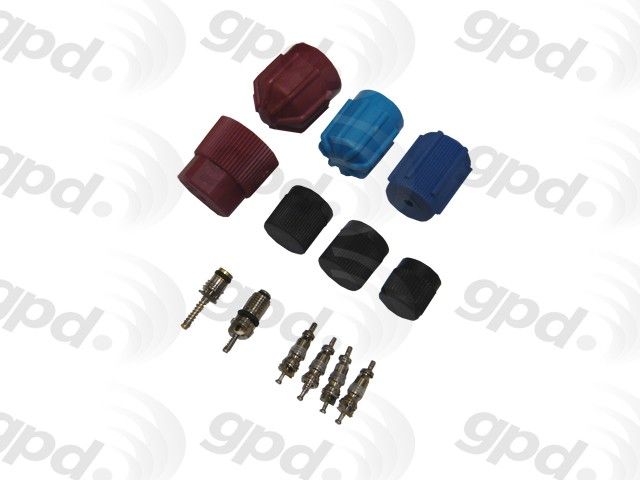
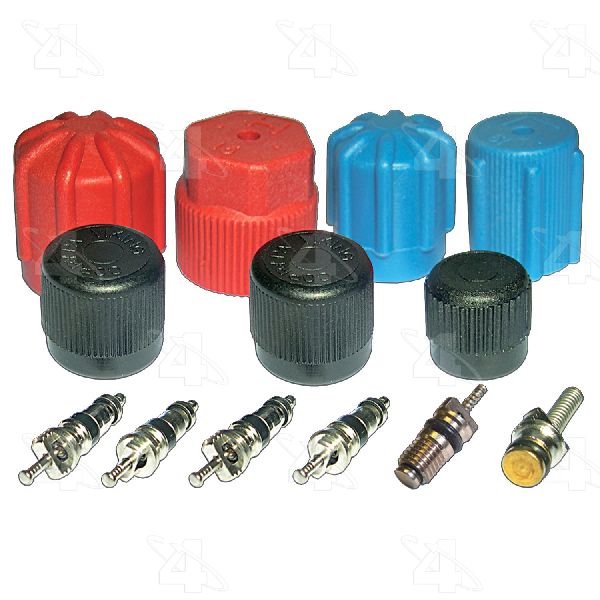
These kits are inexpensive and typically include several different valve cores and caps to cover various applications. The key is to ensure the seals are compatible with the type of refrigerant in your system.
A Critical Note on Refrigerant: R-12 vs. R-134a
Your 1982-1983 LN7 was originally equipped with R-12 refrigerant, which is no longer used. Most systems have been converted to the modern R-134a standard. This conversion requires different seals and lubricating oil (PAG oil). The valve cores in modern aftermarket kits are designed for R-134a systems. Before purchasing, confirm your system has been converted. If it hasn't, the conversion must be done by a professional during the repair.
Brand Quality: Four Seasons vs. Global Parts
For a simple component like a valve core and cap kit, brand choice is not as critical as it is for a major component like a compressor. Both Four Seasons and Global Parts (GPD) are common aftermarket brands.
- Four Seasons: A widely recognized brand in the A/C aftermarket world. While opinions on their more complex parts like compressors can be mixed, their service kits are generally considered a standard, reliable choice.
- Global Parts (GPD): Often viewed as a budget-friendly option. For a part this simple and inexpensive, it is likely a sufficient choice.
For this repair, either brand should perform adequately. The most important factor is ensuring the new seals are clean, properly lubricated with the correct A/C oil, and installed without being over-tightened.
Estimated Replacement Costs
The valve core and cap kit itself is very affordable. The majority of the repair cost comes from the labor to properly and legally handle the refrigerant.
| Part/Service | Estimated Cost |
|---|---|
| New Aftermarket Kit | $8 - $23 |
| Shop Labor (Evacuate & Recharge) | $120 - $250 |
Note: Labor costs can vary significantly by location. The evacuation and recharge process is required by law and is necessary for the A/C system to function.
Frequently Asked Questions (FAQ)
Can I replace the A/C valve cores myself?
While physically swapping the core is simple with a special tool, it is illegal to release refrigerant into the atmosphere. The correct procedure requires a professional-grade machine to recover the existing refrigerant before you can safely replace the core. The system must then be put into a deep vacuum to remove air and moisture before being recharged with the precise amount of refrigerant and oil. Due to the specialized equipment needed, this job is best left to a professional.
Do I need to replace the caps too?
Yes. The caps are a critical part of the system. They provide the primary seal against moisture and dirt and act as a backup seal for the valve core. Always install new caps with new seals.
My A/C is completely dead. Could it just be the valve cores?
It's possible, but if the system is completely empty, there might be a larger leak elsewhere. A common symptom of a slow valve core leak is a gradual loss of cooling, not a sudden failure. A professional can perform a leak test using UV dye or a refrigerant "sniffer" to pinpoint the source. Also, be aware of the A/C blower motor resistor recall, which can cause other system issues.
Should I replace the valve cores as preventative maintenance?
It's a smart idea. If your A/C system is already being serviced for any reason (like a compressor or hose replacement), it is excellent and very cheap insurance to replace the valve cores and caps at the same time.
Technical Specifications
Kit contains Schrader-type valve cores and sealing caps for A/C service ports. Seals must be compatible with R-134a refrigerant and PAG oil.
We Have This Part in Stock

The information in this article is provided for general reference and educational purposes only. Vehicle specifications, procedures, and part compatibility can vary by production date, trim level, and region. Always consult your vehicle's factory service manual and verify part numbers before purchasing or performing repairs. Safety-critical components such as airbags, seat belts, and braking systems should be installed by a qualified professional.
- Mercury LN7: