

Choosing the Right Radiator Coolant Hose for Your 1982-1983 Mack WL
Keep your Mack WL's heavy-duty engine cool and prevent costly downtime by understanding your radiator hose options.
- A leaking, bulging, or cracked radiator hose can cause catastrophic engine failure; replace it immediately.
- For a 1982-1983 Mack WL, quality aftermarket hoses from brands like Gates, Continental, or Dayco are the best and only practical option.
- Always replace radiator hoses as a set (upper and lower) and install new hose clamps at the same time for a reliable repair.
- Regularly inspect your hoses during pre-trip checks to catch problems before they leave you stranded.
Symptoms of a Failing Radiator Hose
A bad radiator hose on a heavy-duty truck is a serious issue waiting to happen. Don't wait for a complete blowout on the road. Look for these warning signs during your regular pre-trip inspections.
Key Failure Symptoms
- Coolant Leaks: Puddles of sweet-smelling green, yellow, or pink fluid under your engine are a clear sign of a leak. You might also see crusty residue around the hose connections where the clamps are.
- Visible Hose Damage: When the engine is cold, squeeze the hoses. A healthy hose feels firm but flexible. A failing hose may feel overly soft and spongy, or hard and brittle. Look for cracks, splits, and especially any bulging or swelling, which means the hose's internal structure has failed and it could burst at any moment.
- Engine Overheating: If your temperature gauge is climbing into the red zone, a leaking, blocked, or collapsed radiator hose could be restricting coolant flow. A collapsed hose looks flattened or sucked inward and is a definite sign of structural weakness.
- Low Coolant Level: If you find yourself constantly needing to add coolant to the reservoir, you have a leak somewhere in the system. The radiator hoses and their connections are the most common culprits.
Choosing the Right Aftermarket Hose for Your Mack WL
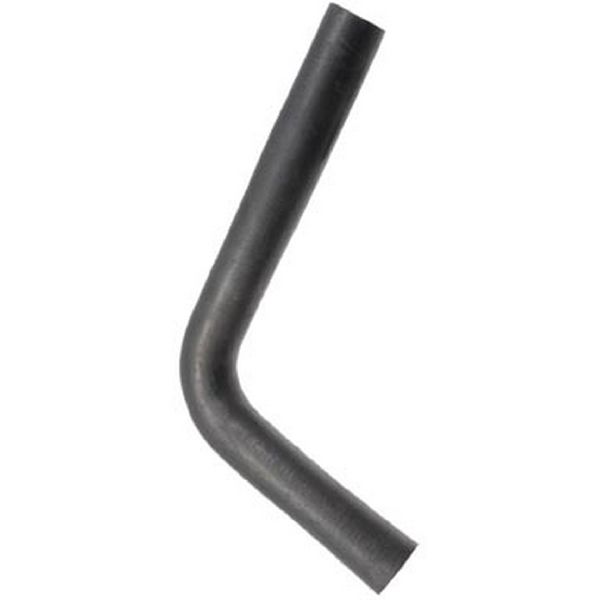
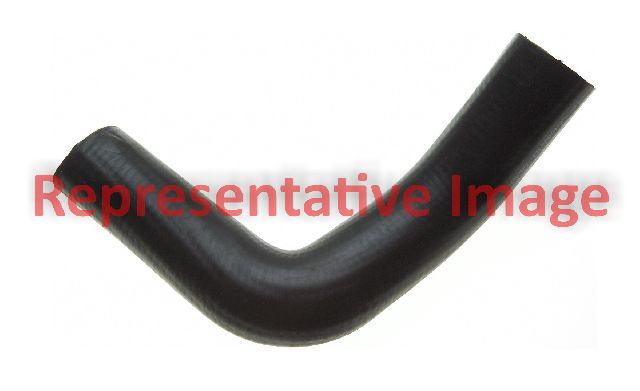
For a vintage workhorse like the 1982-1983 Mack WL, original equipment manufacturer (OEM) hoses are virtually impossible to find. Fortunately, top-tier aftermarket brands produce high-quality replacement hoses that often meet or exceed original specifications. The key is choosing a reputable brand known for durability in heavy-duty applications.
Aftermarket Brand Tiers
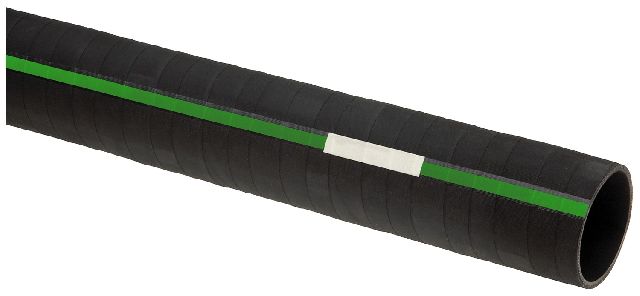
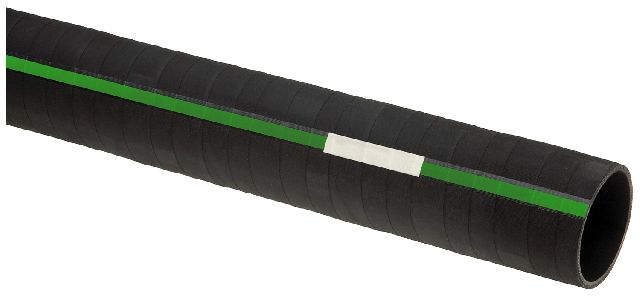
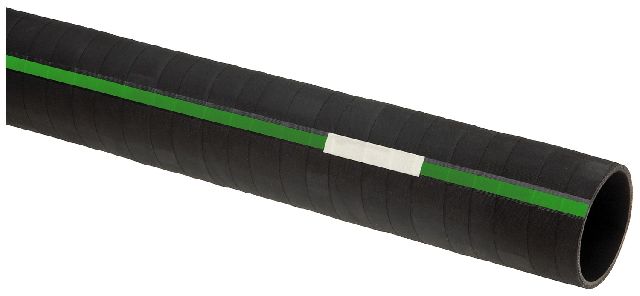
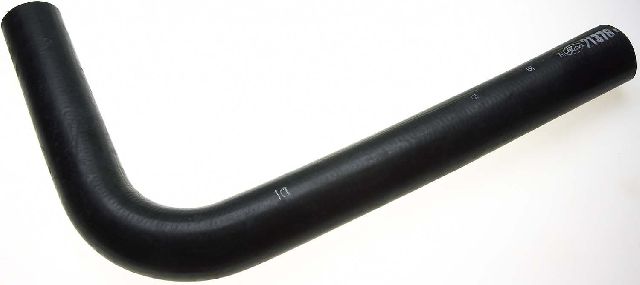
- Top Tier (Gates, Continental): These brands are well-respected in the heavy-duty trucking industry. Gates is known for its extensive line of molded coolant hoses that are engineered to resist electrochemical degradation, which is a leading cause of hose failure. They use high-quality EPDM rubber and synthetic fiber reinforcement to handle high temperatures and resist collapse under vacuum. Continental also offers specific heavy-duty and fleet service hoses designed for the severe conditions found in trucks and buses. You can't go wrong choosing a hose from either of these brands.
- Mid-Grade (Dayco): Dayco is another established brand that produces reliable hoses. While some users have noted differences in thickness or fit compared to Gates, they are generally considered a solid choice and will likely outlast the vehicle if installed correctly. For a critical component like a radiator hose, sticking with a well-known brand like Dayco, Gates, or Continental is a smart investment.
Pro Tip: Replace Clamps with the Hose
Always replace the hose clamps when you install a new radiator hose. Old clamps can lose their tension or corrode, leading to leaks even with a brand-new hose. This small additional step ensures a secure, long-lasting seal.
Known Issues, Recalls, or TSBs
Searches for specific recalls or Technical Service Bulletins (TSBs) for the 1982-1983 Mack WL radiator hose did not yield any results. This is common for commercial vehicles of this age, as records are not always digitized or readily available. Recent Mack recalls for coolant hoses apply to much newer models and are not relevant to the WL series.
| Part Type | Estimated Cost |
|---|---|
| New Aftermarket (Continental, Dayco, Gates) | $30.98 - $124.47 |
| Shop Labor | $150 - $300 |
| New OEM | Not Available |
Frequently Asked Questions (FAQ)
How often should I replace my Mack WL's radiator hoses?
For a heavy-duty truck, it is wise to proactively replace radiator hoses every 4-5 years or around 100,000 miles to prevent unexpected failures on the road. If a hose shows any signs of damage like cracking, swelling, or feeling spongy, it should be replaced immediately, regardless of its age.
Should I replace both the upper and lower hoses at the same time?
Yes. Both hoses have been exposed to the same heat, pressure, and age. If one has failed, the other is likely near the end of its service life. Replacing them as a pair is a smart preventative measure that saves you from repeating the job in the near future.
Is replacing a radiator hose a difficult job on a Mack WL?
For someone with basic mechanical skills, it is a manageable task. Access on older Class 8 trucks is generally better than on modern cars. The primary steps are draining the large cooling system, removing the old clamps and hose, installing the new parts, and then properly refilling and bleeding the system to remove air pockets.
Do aftermarket hoses need an internal spring like some old hoses had?
Modern, high-quality hoses from brands like Gates are often made with specially reinforced materials that prevent the lower hose from collapsing under the water pump's suction. They typically do not require or include a spring.
Technical Specifications
Material: EPDM Rubber with synthetic fiber reinforcement. Temperature Range: Approx. -40°F to +257°F (-40°C to +125°C). Meets or exceeds SAE 20R4 standards.
We Have This Part in Stock

The information in this article is provided for general reference and educational purposes only. Vehicle specifications, procedures, and part compatibility can vary by production date, trim level, and region. Always consult your vehicle's factory service manual and verify part numbers before purchasing or performing repairs. Safety-critical components such as airbags, seat belts, and braking systems should be installed by a qualified professional.
- Mack WL: