

Choosing the Right Serpentine Belt for Your 1981-1995 Peterbilt 362
Don't get stranded—understand which belt your specific engine needs and why quality matters.
- You MUST identify your specific engine (Caterpillar, Cummins, etc.) to get the correct belt; there is no single belt for all 362 models.
- Check the part number on the old belt or use your engine's belt routing diagram to ensure you order the right part.
- Gates, Continental, and Dayco are all reputable aftermarket brands that offer reliable performance for heavy-duty use.
- It is strongly recommended to replace the belt tensioner and any idler pulleys at the same time as the belt.
The Most Important Step: Identify Your Engine
Before you even think about buying a belt, you need to know exactly which engine is in your Peterbilt 362. Over its production run, these trucks came with various engines from Caterpillar, Cummins, and Detroit Diesel. There is no such thing as a one-size-fits-all serpentine belt for a Peterbilt 362. The correct belt depends entirely on your engine model (e.g., Cat 3406B, Cummins NTC 400), year, and what accessories are installed.
Pro Tip: The best way to find the right part is to get the number directly off your old belt. If it's unreadable, take a clear photo of your belt's routing diagram (often on a sticker under the hood or on the radiator support) and identify your engine. This will be your key to matching the correct aftermarket part.
Signs Your Serpentine Belt is Failing
A failing belt gives you warning signs. Ignoring them can leave you stranded. Look out for these symptoms:
- Squealing or Chirping Noises: This is the most common sign. The noise might be worse on cold starts or when the engine is under heavy load.
- Visible Wear and Tear: Look for cracks, fraying, missing chunks, or a glazed, shiny appearance on the belt. Modern EPDM belts often wear down by losing material, so measuring the groove depth is a more accurate check than just looking for cracks.
- Accessory Problems: Dimming headlights (alternator), difficult steering (power steering), or an A/C that doesn't blow cold can all point to a slipping belt.
- Engine Overheating: If the belt drives the water pump, slipping or breaking will cause the engine temperature to rise quickly.
Choosing the Right Aftermarket Belt Brand
For a truck from this era, OEM parts are scarce, making quality aftermarket brands your go-to option. The good news is that top aftermarket brands often meet or exceed original specifications. The three brands available—Gates, Continental, and Dayco—are all well-regarded Tier 1 suppliers.
- Gates: Often considered the top choice in the heavy-duty world. Gates belts are known for their durability and precise fit. Many professional mechanics prefer them for their reliability.
- Continental: Another premium brand with a strong reputation. Continental acquired Goodyear's popular "Gatorback" belt technology, known for being quiet and reliable. You can't go wrong with a Continental belt.
- Dayco: A solid, dependable choice that provides good performance. While some mechanics have anecdotal preferences for Gates or Continental, Dayco makes quality heavy-duty belts that are a reliable option for any 362.
A Note on V-Belts: Some engines, like the Caterpillar 3406B, often used a system of multiple V-belts instead of a single serpentine belt. If you see several individual belts on the front of your engine, you have a V-belt system. The replacement principles are similar, but you will need to order a set of matched belts.
Aftermarket Serpentine Belt Costs for Peterbilt 362
The price for a new aftermarket serpentine belt is very reasonable, especially considering the critical role it plays. The exact price depends on the specific belt required by your engine.
| Part Type | Price Range |
|---|---|
| New Aftermarket Serpentine Belt | $12.43 - $84.14 |
Frequently Asked Questions
How often should I replace the serpentine belt on my Peterbilt 362?
For heavy-duty trucks, a good rule of thumb is to inspect the belt every 60,000 miles and plan for replacement around every 90,000-100,000 miles, or sooner if you notice any signs of wear. Given the age of these trucks, annual inspections are a smart move.
Should I replace the belt tensioner at the same time?
Yes, it's highly recommended. The tensioner is a spring-loaded pulley that keeps the belt tight. They wear out over time and a weak tensioner can cause a new belt to slip or wear out prematurely. Replacing them together is cheap insurance.
Is this a DIY job?
For a mechanic with some experience, yes. The main tools needed are a long breaker bar (usually 1/2" or 3/8" drive) to release the tensioner and basic hand tools. However, access can be tight, and some engine configurations may require removing the fan shroud or fan, making it more complex. If you're not comfortable, a professional can do it in about an hour.
What is the difference between a serpentine belt and a V-belt?
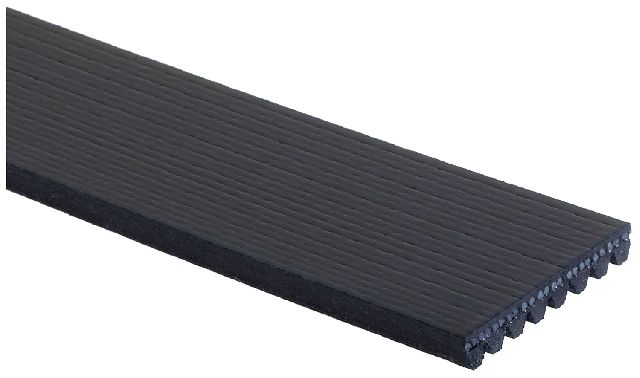
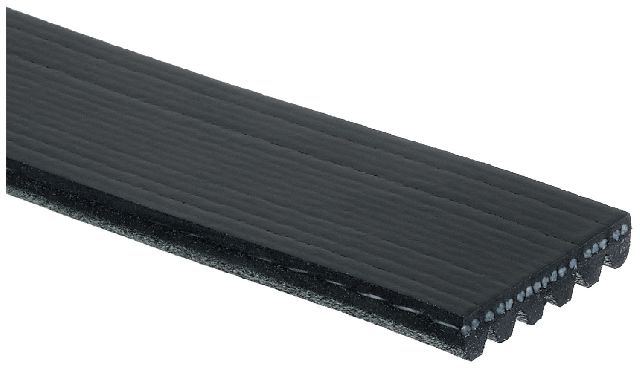
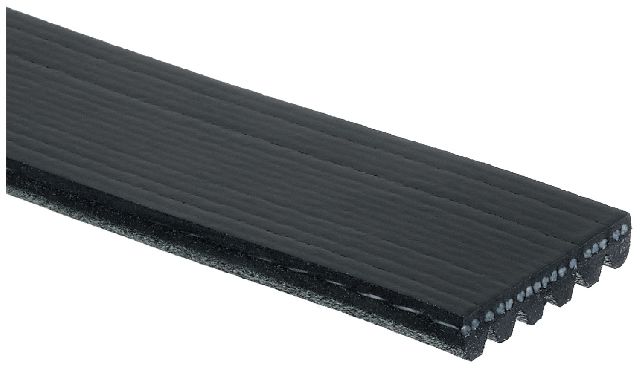
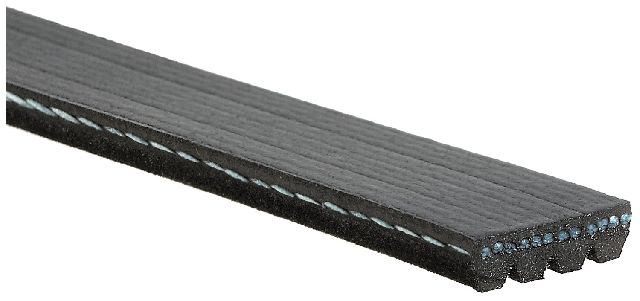
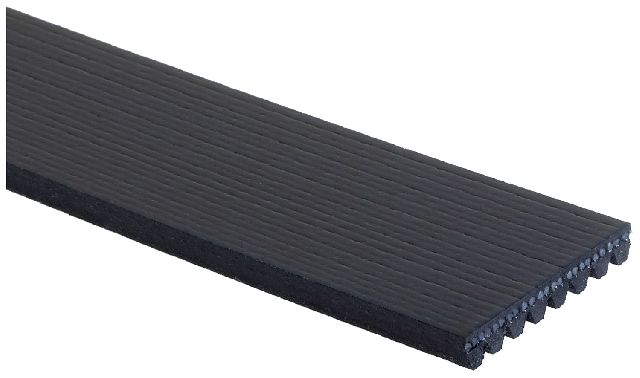
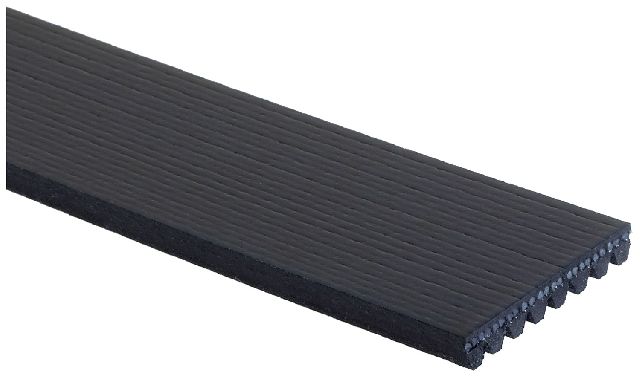
A serpentine belt is one long, flat, multi-ribbed belt that snakes around all the pulleys. A V-belt system uses multiple, thicker, individual belts, each often driving only one or two accessories. Your 362 could have either system depending on the engine.
Technical Specifications
The primary specification is the belt's length and number of ribs, which is determined by the specific engine and accessory configuration. Modern belts are typically made from EPDM (Ethylene Propylene Diene Monomer) rubber, which is more durable and resistant to heat and cracking than older neoprene materials.
We Have This Part in Stock

The information in this article is provided for general reference and educational purposes only. Vehicle specifications, procedures, and part compatibility can vary by production date, trim level, and region. Always consult your vehicle's factory service manual and verify part numbers before purchasing or performing repairs. Safety-critical components such as airbags, seat belts, and braking systems should be installed by a qualified professional.
- Peterbilt 362: