

Engine Coolant Temperature Sensor Guide for the 1981-1992 Alfa Romeo Spider
Understanding the small sensor that has a big impact on your Spider's performance and fuel economy.
- The ECU sensor is separate from the dashboard gauge sensor; diagnose engine running issues and gauge issues independently.
- Symptoms like poor fuel economy, rough idle, and black smoke are common signs of a failing ECU coolant sensor.
- Replacement is a simple DIY task that can prevent poor performance and potential engine damage.
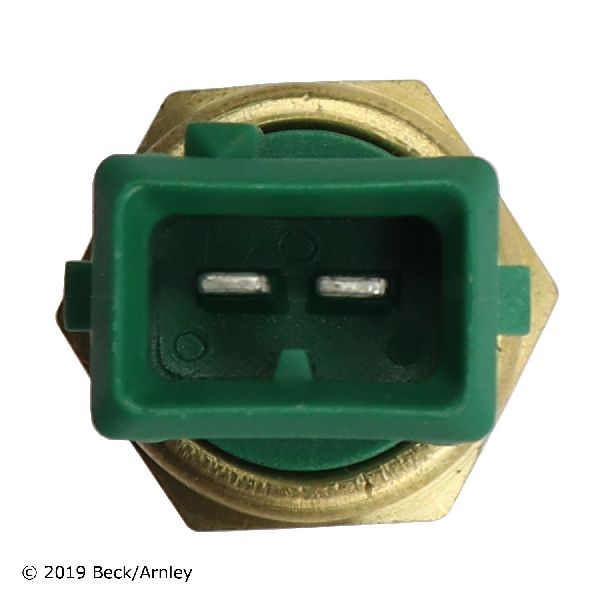
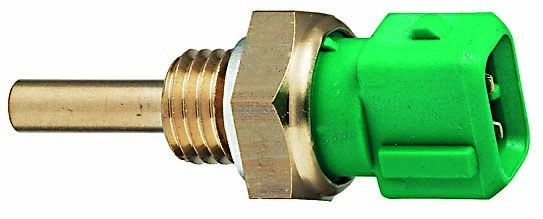
- Choosing a quality aftermarket brand like Beck Arnley or Facet is a reliable alternative to the original Bosch part.
The Role of the Coolant Temp Sensor in Your Spider
Your 1981-1992 Alfa Romeo Spider relies on a precise mix of fuel and air to deliver its signature driving experience. The Engine Coolant Temperature (ECT) sensor is a key player in this process. It's a simple thermistor—a resistor that changes its resistance with temperature—that communicates directly with the fuel injection computer. It is important to know that on these Spiders, there are often two separate sensors: one for the fuel injection ECU and another for the temperature gauge on your dashboard. A failure in the ECU sensor will affect how the engine runs, while a failure in the gauge sensor will only cause an incorrect reading on the dash. This guide focuses on the ECU sensor, which is vital for engine management.
Symptoms of a Failing ECT Sensor
When an ECT sensor starts to fail, it can send incorrect information to the ECU, leading to a range of engine performance problems. Because the sensor's input is so crucial for fuel calculations, a bad sensor often makes the car run as if it's always cold or always hot, regardless of the actual engine temperature.
- Poor Fuel Economy: If the sensor incorrectly tells the ECU the engine is cold, the computer will continuously supply a rich fuel mixture, causing a noticeable drop in gas mileage.
- Rough Idle: An incorrect fuel mixture can make the engine idle poorly, shake, or even stall.
- Hard Starting: The engine may be difficult to start, especially when cold, if the ECU isn't providing the correct fuel enrichment.
- Black Smoke from Exhaust: A consistently rich fuel mixture can result in unburned fuel entering the exhaust, producing black smoke.
- Engine Overheating: In some systems, the ECT sensor also helps control the electric cooling fans. A bad sensor might fail to trigger the fans, leading to overheating in traffic.
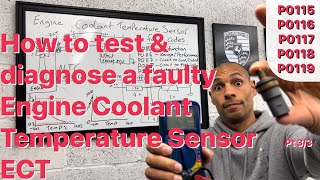
- Check Engine Light: On later models with more advanced diagnostics (like the Motronic systems), a faulty sensor can trigger the Check Engine Light. 🎬 See how to diagnose common ECT sensor fault codes.
Don't Confuse the Gauge with the ECU
A common mistake is diagnosing a bad ECU sensor based on the dashboard temperature gauge. The gauge is run by a separate, single-wire sensor. If your gauge reads incorrectly but the engine runs fine, the gauge sensor or the gauge itself is the likely problem. If the engine runs poorly but the gauge seems normal, the ECU sensor is the prime suspect.
Choosing the Right Aftermarket Sensor
The original sensor on these Spiders was typically made by Bosch. While finding a new Bosch part can be difficult, several aftermarket brands offer direct replacements. Quality can vary, so it's wise to choose based on reputation and your budget.
| Brand Tier | Brands | General Assessment |
|---|---|---|
| Premium Aftermarket | Beck Arnley, NGK, Facet | These brands are well-regarded for matching OE form, fit, and function. They are often sourced from the same manufacturers as the original parts and are a reliable choice for long-term performance. |
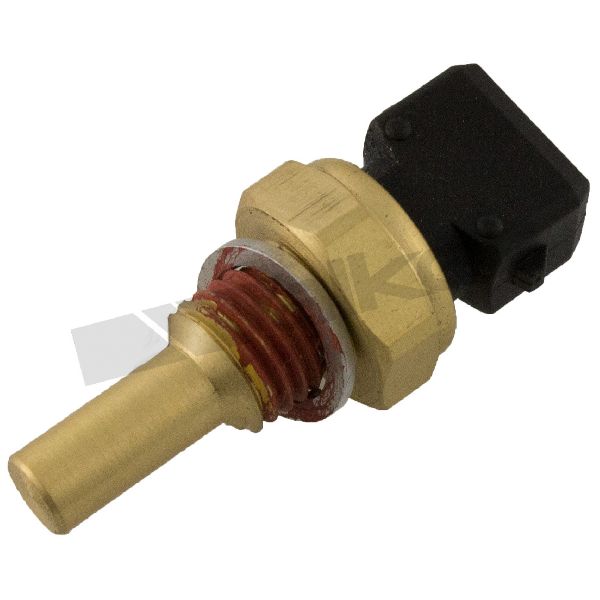
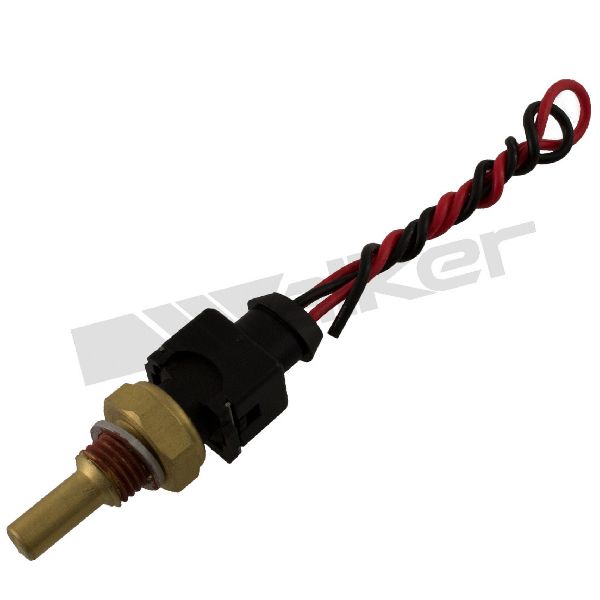
| Standard Replacement | Standard Ignition, Walker Products | These are solid, dependable mid-tier options that provide good performance and value. They are widely available and a common choice for DIY repairs. |
| Economy | URO Parts, True Tech | These brands offer the most budget-friendly price point. While they will function, forum discussions among Alfa owners sometimes point to shorter lifespans or less consistent performance compared to premium brands. They can be a viable option for a quick fix or if the budget is the primary concern. |
Pro Tip: Replace the Connector
After decades of heat cycles, the plastic electrical connector for the sensor can become brittle and crack. Inspect it carefully when replacing the sensor. If it's damaged, it's a good idea to replace the connector pigtail to ensure a solid electrical connection.
Frequently Asked Questions (FAQ)
Can I test my old ECT sensor?
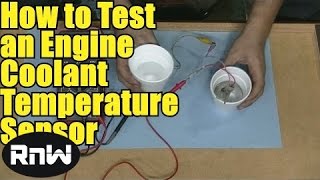
Yes. You can test the sensor with a multimeter set to measure resistance (Ohms). 🎬 Watch: How to test your sensor using a basic multimeter. You would measure the resistance across the sensor's terminals when it's cold, and then again after heating it in a pot of water. The resistance should drop smoothly as the temperature increases. You'll need to find the correct resistance-to-temperature chart for your specific Bosch injection system, but this confirms if the sensor is functioning.
Is replacing the ECT sensor a difficult DIY job?
No, for most home mechanics, this is a relatively easy job. The sensor is typically screwed into the thermostat housing or engine head and is easy to access. The main steps involve partially draining the coolant, unplugging the electrical connector, unscrewing the old sensor, and quickly installing the new one to minimize coolant loss. The difficulty is generally rated as 1 out of 5.
What happens if I don't replace a bad ECT sensor?
Driving with a faulty ECT sensor is not recommended. You will experience poor performance and terrible fuel economy. More critically, if the sensor is causing a very rich fuel mixture, it can dilute the engine oil with gasoline, leading to premature engine wear. If the sensor fails to activate the cooling fans, you risk severe engine damage from overheating.
Are there any recalls for this part on my Spider?
No, there are no specific recalls or Technical Service Bulletins (TSBs) issued by the NHTSA for the engine coolant temperature sensor on the 1981-1992 Alfa Romeo Spider.
Helpful Videos
Technical Specifications
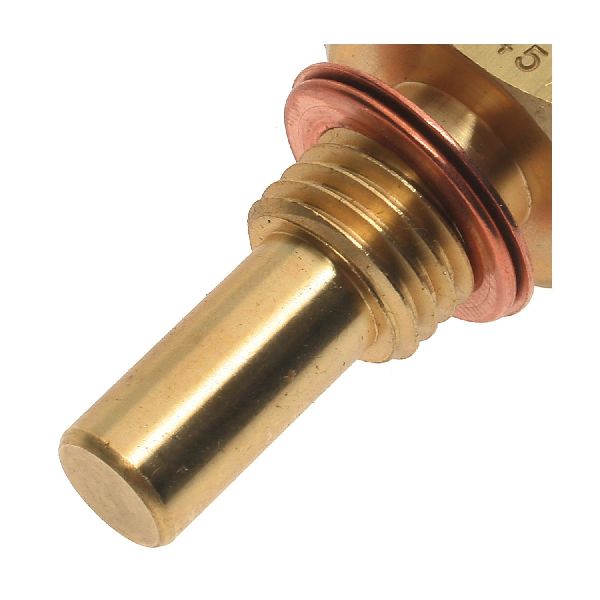
OEM Part Numbers: 60515838 60515839 10500063220000 10500063220100
Thread Size: M16x1.5. Connector: 2-pin Bosch style. Type: NTC Thermistor.
We Have This Part in Stock


The information in this article is provided for general reference and educational purposes only. Vehicle specifications, procedures, and part compatibility can vary by production date, trim level, and region. Always consult your vehicle's factory service manual and verify part numbers before purchasing or performing repairs. Safety-critical components such as airbags, seat belts, and braking systems should be installed by a qualified professional.
- Alfa Romeo Spider: