

Peterbilt 362 Radiator Coolant Hose Replacement Guide (1981-1990)
Keep your classic cabover's engine cool and prevent costly downtime by choosing the right radiator hoses.
- No specific recalls or TSBs exist for 1981-1990 Peterbilt 362 radiator hoses; failures are due to normal age and wear.
- A failed hose is a critical issue that can lead to catastrophic engine damage; address symptoms like leaks or overheating immediately.
- High-quality aftermarket brands like Gates, Dayco, and Continental are the standard, reliable replacement option as OEM parts are scarce.
- Always replace hose clamps at the same time as the hoses to ensure a secure, leak-free seal.
Signs of a Failing Radiator Hose
Radiator hoses are made of durable rubber, but they don't last forever. For a hard-working Peterbilt 362, spotting the signs of failure early can be the difference between a simple hose swap and a complete engine overhaul. Look for these common symptoms:
- Coolant Leaks: The most obvious sign is a puddle of green, yellow, or pink coolant under the front of your truck. Leaks often start at connection points or from small cracks in the hose itself.
- Visible Hose Damage: Regularly inspect your hoses. If you see cracks, abrasions, or splits, the hose is compromised. Pay close attention to the ends of the hoses where they connect.
- Swollen or Soft Spots: A bulging, swollen, or excessively soft hose indicates that the internal structure has failed, and it is at high risk of bursting.
- Engine Overheating: If a hose collapses or bursts, coolant circulation will stop, causing your engine temperature to rise rapidly. This is a critical warning that requires an immediate shutdown.
Known Issues, Recalls, and TSBs
Extensive searches for recalls or technical service bulletins (TSBs) from the NHTSA and other sources did not find any specific issues related to radiator coolant hoses for the 1981-1990 Peterbilt 362. Failures of this part are typically due to normal aging, wear, and the demanding operating conditions of a heavy-duty truck, not a manufacturing defect.
Choosing the Right Aftermarket Hose
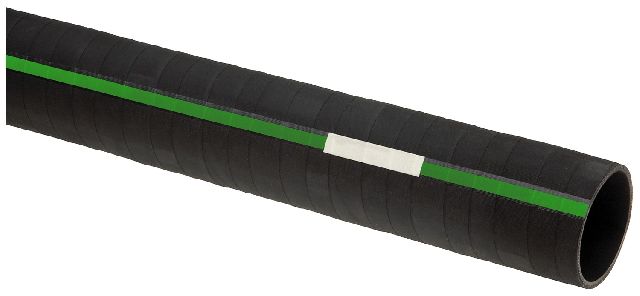
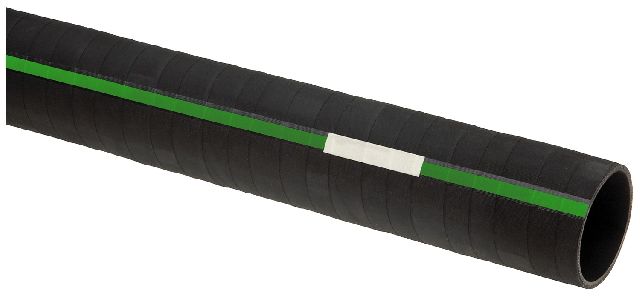
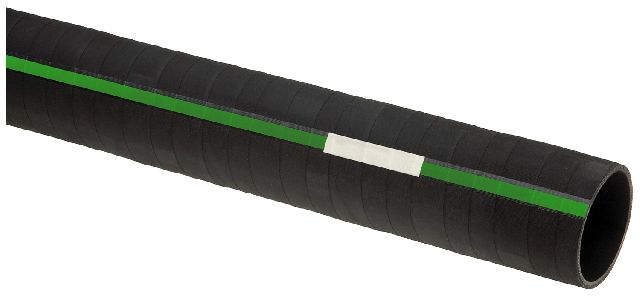
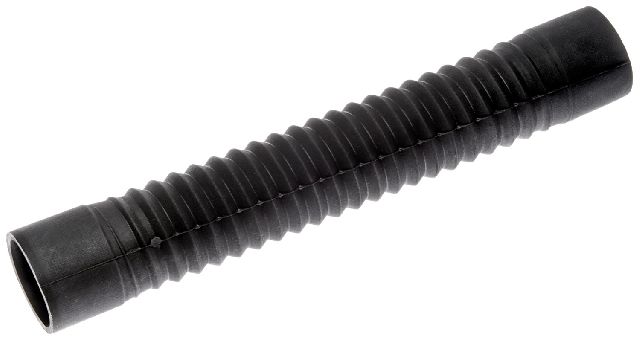
Given the age of the 1981-1990 Peterbilt 362, original equipment (OEM) hoses are generally not available. However, the aftermarket offers high-quality replacements that often meet or exceed original specifications. Here’s a look at the available brands:
- Gates: Often considered the top-tier aftermarket brand, Gates is known for producing OEM-quality parts. Many professional mechanics prefer Gates for their reliability and precise fit. Their hoses are engineered to resist electrochemical degradation, a leading cause of hose failure.
- Dayco: Dayco is another well-respected national brand that produces reliable radiator hoses. While some users have occasionally reported minor fitment differences compared to OEM, they are a solid and widely available choice.
- Continental: Continental offers a range of heavy-duty hoses, including their Elite™ line, designed for demanding truck and fleet service. They are a reputable manufacturer known for durable products resistant to heat, oil, and ozone.
Pro Tip: Always Replace Your Clamps
When you replace a radiator hose, you should always replace the hose clamps as well. Old clamps can lose their tension over time and may not provide a secure seal, leading to leaks even with a brand-new hose. It’s a small extra cost that ensures a reliable, long-lasting repair.
Cost of Aftermarket Radiator Hoses for Peterbilt 362
| Part Type | Price Range |
|---|---|
| New Aftermarket Radiator Hose | $54.09 - $124.47 |
Prices are estimates and can vary based on the specific hose (upper, lower), brand, and retailer.
Frequently Asked Questions (FAQ)
Should I use OEM or aftermarket hoses for my Peterbilt 362?
For a vehicle from this era, OEM hoses are typically discontinued and very difficult to find. High-quality aftermarket brands like Gates, Dayco, and Continental are the standard, practical choice and are engineered to perform reliably in heavy-duty applications.
My hose only leaks when the engine is cold. Does it need to be replaced?
This is known as a "cold water leak." It happens when metal and rubber parts contract in the cold, creating a small gap. Sometimes, tightening the hose clamp can solve the problem. However, if the hose end is cracked, brittle, or soft, the hose itself needs to be replaced.
How often should I replace my radiator hoses?
There is no strict replacement interval, but hoses are a wear item. It's good practice to inspect them during every oil change and consider replacing them preventatively every 4-5 years or if you notice any signs of aging like cracking, hardening, or swelling, especially on a truck that works hard.
Is replacing a radiator hose a DIY job on a 362?
For someone with mechanical experience, it is a manageable DIY job. The main challenges are ensuring the engine is completely cool, draining the coolant without making a mess, and accessing the clamps, which can be tight on a cabover model. Always remember to refill and bleed the cooling system properly afterward to remove any air pockets.
Technical Specifications
Hoses must be resistant to Electrochemical Degradation (ECR) and rated for heavy-duty truck use, with temperature ranges typically from -40°F to +275°F. One known compatible part number is Gates 21488, which cross-references to Dayco 71218 and 71501. Always verify the required inner diameter and length for your specific engine and radiator configuration.
We Have This Part in Stock

The information in this article is provided for general reference and educational purposes only. Vehicle specifications, procedures, and part compatibility can vary by production date, trim level, and region. Always consult your vehicle's factory service manual and verify part numbers before purchasing or performing repairs. Safety-critical components such as airbags, seat belts, and braking systems should be installed by a qualified professional.
- Peterbilt 362: