

Choosing the Right Radiator Coolant Hose for Your 1981-1988 White WCS
Keep your classic heavy-hauler on the road by understanding your radiator hose options.
- New aftermarket hoses are the only practical option, as new OEM parts are no longer made for the White WCS.
- Focus on getting the right fit; compare the new hose to the old one before installing. A premium brand like Gates is recommended for heavy-duty use.
- Due to the vehicle's age, inspect hoses regularly for cracks, swelling, or leaks to prevent a sudden failure.
- Always replace radiator hoses in pairs (upper and lower) along with new clamps to ensure a reliable repair.
Symptoms of a Failing Radiator Hose
On a heavy-duty truck like the White WCS, a hose failure isn't just an inconvenience—it can end your run and cause expensive engine damage. Because these trucks are now decades old, regular inspection is critical. Look for these warning signs:
- Coolant Leaks: Puddles of green, yellow, or pinkish fluid under your truck are the most obvious sign. The fluid will have a distinct sweet smell. A slow leak can leave a crusty residue on or around the hose.
- Visible Damage: Hoses are wear items. Check for cracks, splits, or soft, spongy spots. An oil leak that drips onto a hose can cause it to swell and degrade quickly. A hose that feels hard and brittle is also at risk of cracking.
- Engine Overheating: If your temperature gauge starts climbing, a collapsing or leaking hose could be the cause. A hose can collapse internally, blocking flow without any visible external leak.
- Low Coolant Light or Level: If you frequently have to top off your coolant, you have a leak somewhere in the system. The radiator hoses are a common culprit.
A Note on OEM vs. Aftermarket Parts
White Motor Company was acquired by Volvo in the early 1980s and the brand was eventually phased out. This means new Original Equipment Manufacturer (OEM) parts are no longer produced for your truck. Your options are:
- New Old Stock (NOS): These are original parts that were never sold. They can be very hard to find and, for rubber parts like hoses, may be degraded from decades of storage.
- New Aftermarket: This is the most practical and reliable option. Reputable aftermarket brands build parts to meet or exceed original specifications. For your White WCS, a quality aftermarket hose is the best choice.
Choosing the Right Aftermarket Hose
For a workhorse truck, reliability is everything. While several brands are available, they generally fall into tiers based on reputation for quality and fitment in heavy-duty applications. Fit is the most important factor—always compare the new hose with the old one to ensure the bends and diameters match.
Brand Tiers for Your White WCS
Premium Aftermarket (e.g., Gates): Gates has a strong reputation in the heavy-duty world for excellent material quality and accurate cataloging, which leads to a better fit. For a critical part on a commercial vehicle, spending a little more for a premium brand is a smart investment.
Standard / OEM-Quality Aftermarket (e.g., Dayco, Continental): Both Dayco and Continental are major manufacturers that produce high-quality hoses. They are a reliable choice and will perform well. Some mechanics have noted occasional fitment issues compared to Gates, but they remain a solid option for any repair.
Pro Tip: When replacing your hoses, it's also the perfect time to replace the hose clamps. Old clamps can lose their tension or bite into new hoses. Also, inspect your coolant. If it's dirty, a full system flush is recommended to protect your new parts and the entire cooling system.
Estimated Costs
| Part/Service | Estimated Cost |
|---|---|
| New Aftermarket Radiator Hose | $27.22 - $124.47 |
| Shop Labor for Replacement | $150 - $300 |
| New OEM Radiator Hose | Not Available (NOS only) |
Frequently Asked Questions
Are there any recalls on the White WCS radiator hose?
No. Searches of the National Highway Traffic Safety Administration (NHTSA) database show no recalls or safety campaigns related to radiator hoses for the 1981-1988 White WCS. A recall was found for a 1988 model for a suspension axle seat, but it is unrelated to the cooling system.
Can I use a flexible or universal hose instead of a molded one?
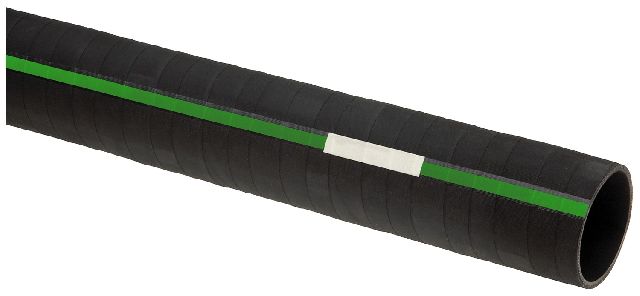
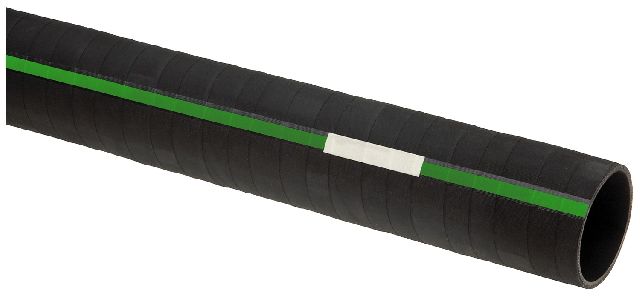
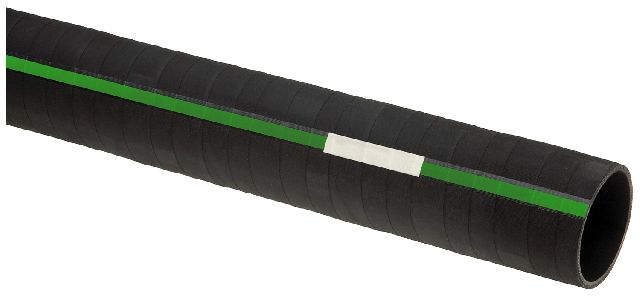
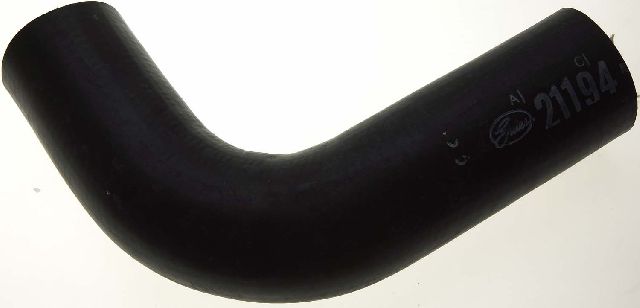
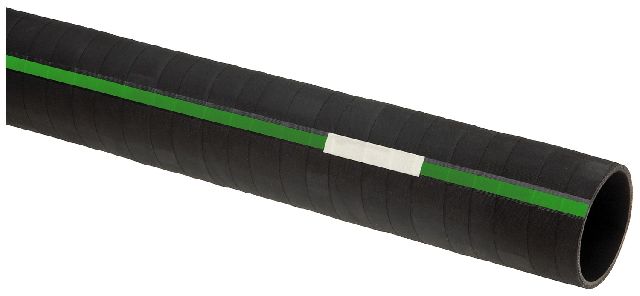
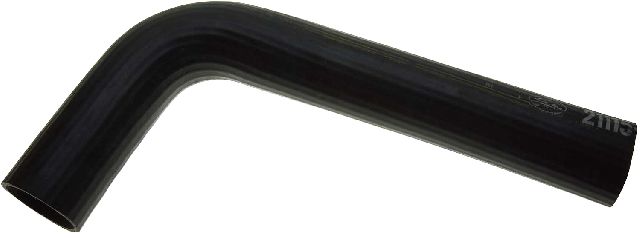
It is not recommended. Molded hoses, like those from Gates or Dayco, are designed with the specific bends needed to avoid kinking and contact with other engine parts. A universal hose can easily kink, restrict coolant flow, and lead to overheating.
How often should I replace my radiator hoses?
There is no set interval, but for a vehicle of this age, hoses should be inspected at every oil change and considered for replacement every 4-5 years as a preventative measure, regardless of appearance. Time, heat, and pressure take their toll on rubber components.
Should I replace both the upper and lower hoses at the same time?
Yes. Both hoses have been exposed to the same age, heat, and mileage. If one has failed, the other is likely not far behind. Replacing them in pairs saves you from having to do the job twice and prevents a second breakdown.
Technical Specifications
Hoses are specific to the engine configuration, such as the 14.0L L6 DIESEL. Always verify the part is correct for your specific engine before purchasing. Molded hoses are required; do not use universal straight hoses.
We Have This Part in Stock

The information in this article is provided for general reference and educational purposes only. Vehicle specifications, procedures, and part compatibility can vary by production date, trim level, and region. Always consult your vehicle's factory service manual and verify part numbers before purchasing or performing repairs. Safety-critical components such as airbags, seat belts, and braking systems should be installed by a qualified professional.
- White WCS: