

Radiator Coolant Hose Guide for the 1981-1988 Peterbilt 352
Keep your classic Peterbilt 352's engine cool and prevent costly downtime by choosing the right radiator hoses.
- For a 1981-1988 Peterbilt 352, quality aftermarket hoses from brands like Gates are the standard, as OEM parts are unavailable.
- Always replace hose clamps when you replace the hoses to prevent future leaks.
- Inspect hoses regularly for signs of wear like cracks, swelling, or soft spots to prevent a sudden failure and engine damage.
- Ensure you are using a direct-fit molded hose to avoid kinks that can restrict coolant flow and cause overheating.
Symptoms of a Failing Radiator Hose
An old or damaged radiator hose can cause major engine problems. If you see any of these signs, it's time to inspect your hoses immediately.
- Coolant Leaks: Puddles of green, orange, or yellow fluid under your truck are a clear sign of a leak. Check the hoses and connections for drips.
- Visible Damage: Look for cracks, splits, or brittle sections on the hoses. A hose that feels spongy, soft, or looks swollen is a sign of internal damage and could burst soon.
- Engine Overheating: If your temperature gauge is climbing, a failing hose could be the cause. A leak can lower coolant levels, or a collapsed hose can block flow, leading to overheating.
- Low Coolant Light: A constantly low coolant level, even after topping it off, points to a leak somewhere in the system.
Check Hoses Regularly
For a workhorse like the 352, preventative maintenance is key. Squeeze the hoses when the engine is cold. A healthy hose should feel firm but not rock-hard. If it feels mushy, overly soft, or crunchy, it's time for a replacement.
Choosing the Right Aftermarket Hose
For a classic truck like the 1981-1988 Peterbilt 352, finding original equipment (OEM) hoses is nearly impossible. The good news is that several aftermarket brands produce high-quality replacements that meet or exceed original specifications. The most important factors are correct fitment and material quality.
Brand Quality Tiers
Not all aftermarket parts are created equal. Based on reviews from professional mechanics and truck owners, here’s how the available brands stack up for heavy-duty use:
- Tier 1 - Gates: Gates is widely regarded as a top-tier choice for heavy-duty applications. They have a strong reputation for durability and good fitment, and are often considered an OEM-equivalent supplier. You can be confident using Gates hoses on your Peterbilt.
- Tier 2 - Dayco & Continental: Dayco and Continental are also well-known, reliable brands. While some users report occasional fitment issues with Dayco compared to Gates, they are still a solid choice and will perform well. Both are considered quality replacement options.
Pro Tip: Molded vs. Straight Hoses
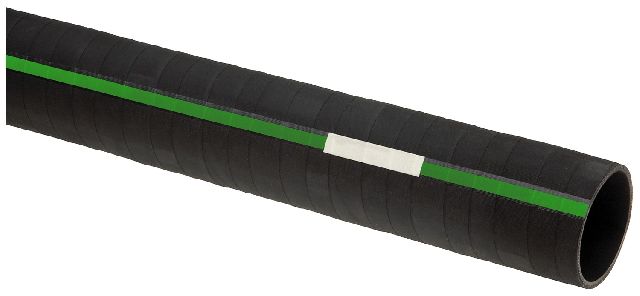
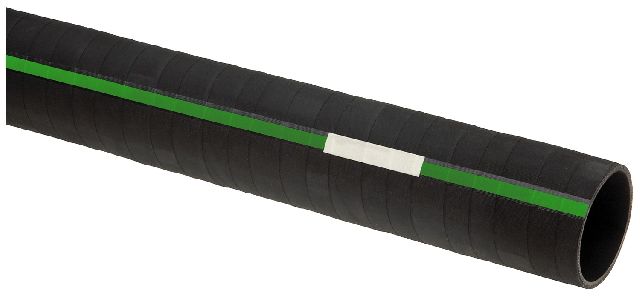
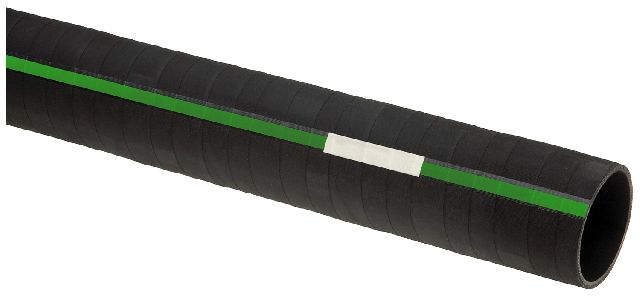
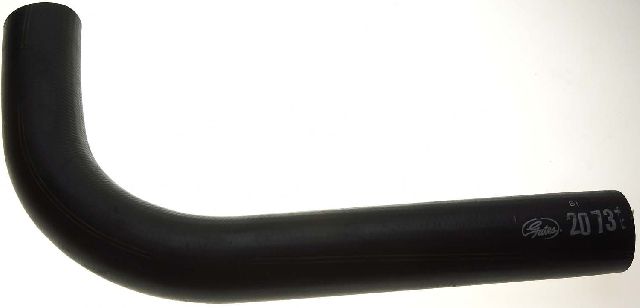
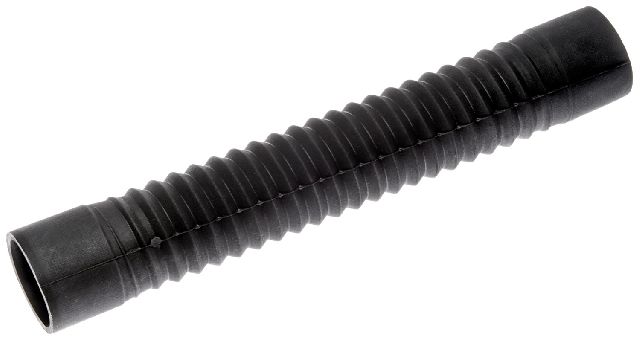
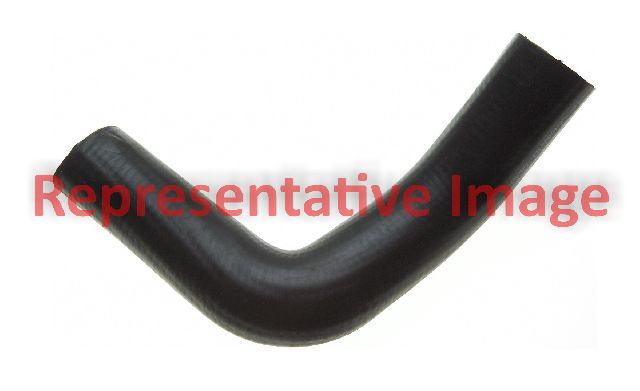
Your Peterbilt 352 may use a combination of pre-molded hoses with specific bends and straight hoses cut to length. Always confirm which type you need. For molded hoses, matching the shape is critical to prevent kinks that restrict coolant flow.
Estimated Replacement Costs
The cost to replace a radiator hose depends on the part and labor rates. While the parts are affordable, labor can add to the total. Doing it yourself can save money if you have the tools and experience.
| Item | Estimated Cost |
|---|---|
| New Aftermarket Hoses (Per Hose) | $54.09 - $124.47 |
| Shop Labor | $150 - $300 |
| Total Professional Replacement | $204 - $425+ |
Frequently Asked Questions
Should I replace my hose clamps at the same time?
Yes, absolutely. Hose clamps are a frequent point of failure. Old clamps can lose their tension or corrode, leading to leaks even with a new hose. It's a cheap and easy way to ensure a secure, leak-free connection. Many mechanics recommend this as standard practice.
How often should I replace my radiator hoses?
There is no strict interval, but hoses should be inspected at every oil change. As a general rule, consider replacing them every 4-5 years or around 100,000 miles as preventative maintenance, especially on a vintage truck. If a hose looks swollen, cracked, or feels soft, replace it immediately regardless of age.
Can I use a universal or flexible hose?
It is not recommended. Universal hoses may not have the correct bends, leading to kinks that block coolant flow and cause overheating. Always use a direct-fit, pre-molded hose designed for your Peterbilt 352 whenever possible to ensure proper routing and function.
What kind of coolant should I use in my Peterbilt 352?
Always consult your engine's service manual. Generally, heavy-duty diesel engines require a specific type of coolant with additives to prevent corrosion and liner pitting. Using the wrong coolant can cause serious damage. When replacing hoses, it's a good time to flush the system and refill with fresh, correct coolant.
Technical Specifications
Due to the vehicle's age, specific OEM part numbers are difficult to source. Replacement is best done by matching the hose's inner diameter, length, and shape (molded bends). High-quality aftermarket hoses are made from EPDM rubber to resist heat, ozone, and chemical degradation. Some hoses may be straight sections requiring cutting to length, while others are pre-molded. Cross-reference part numbers for a single hose can include Gates 21488 and Dayco 71218.
We Have This Part in Stock

The information in this article is provided for general reference and educational purposes only. Vehicle specifications, procedures, and part compatibility can vary by production date, trim level, and region. Always consult your vehicle's factory service manual and verify part numbers before purchasing or performing repairs. Safety-critical components such as airbags, seat belts, and braking systems should be installed by a qualified professional.
- Peterbilt 352: