

Ford Bronco Ignition Control Module Guide: 1981-1988
Everything a Bronco owner needs to know about diagnosing and replacing the ignition control module.
- The most common symptom of failure is the engine stalling when hot and restarting after it cools down.
- Always apply the included thermal paste to the back of the new module to prevent premature failure from overheating.
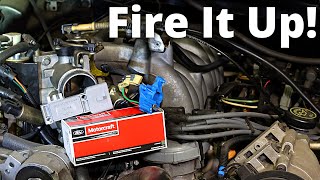
- OEM Motorcraft modules are widely considered more reliable than aftermarket alternatives for this specific part.
- Many owners keep a spare module in the truck for a quick roadside repair, as failure is common and leaves you stranded.
Is it a Dura-Spark or TFI Module?
Before buying a part, you need to know which ignition system your 1981-1988 Bronco has. The year range spans a transition period for Ford.
- Dura-Spark II (1981-1986): Look for a small metal box, the ignition module, mounted on the driver's side inner fender well. It will have two wiring connectors. This is the most common setup for this era.
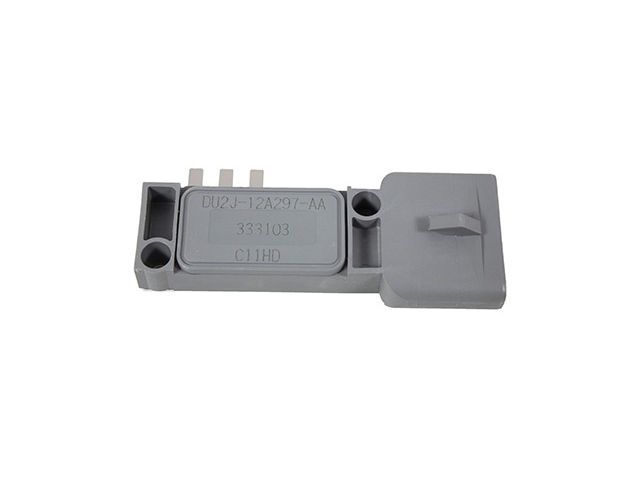
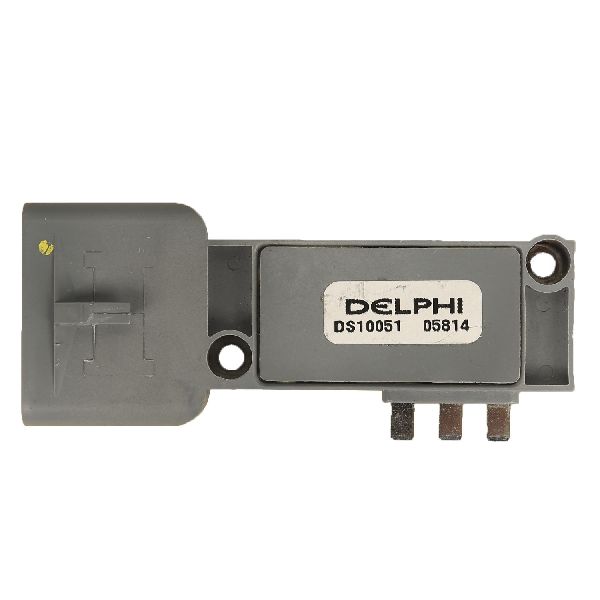
- TFI-IV (Thick Film Ignition, approx. 1987-1988): The ignition module is a smaller, gray component mounted directly to the base of the distributor. Replacement requires removing the distributor and using a special thin-walled socket.
Symptoms of a Failing Ignition Module
Ignition control modules are notorious for failing due to heat and age. The symptoms are often intermittent at first, making them tricky to diagnose.
- Stalling When Hot: This is the most classic symptom. The engine runs fine when cold, but after 15-20 minutes of driving, it stalls suddenly as if you turned the key off. After the module cools down for 30-60 minutes, the engine will restart and run until it gets hot again.
- No Spark / No Start: The module can fail completely, resulting in a permanent no-spark condition. The engine will crank but will not fire.
- Starts but Dies: A common failure mode is when the engine sparks and runs only while the key is held in the 'START' position. The moment you release the key to the 'RUN' position, the engine dies. This points directly to a bad module.
- Rough Running & Misfiring: While less common than a complete failure, a module on its way out can cause intermittent misfires or rough idling.
Safety Notice: 1988 Ignition SWITCH Recall
While not for the ignition module, a major recall was issued for the ignition switch in 1988 Ford Broncos. A faulty switch could cause a short circuit, leading to a vehicle fire even when parked. If you own a 1988 model, it is critical to verify if this recall work was performed.
Choosing the Right Aftermarket Module
When it comes to ignition electronics on these older Fords, brand quality matters significantly. Forum discussions among long-time Bronco and Ford truck owners show a strong preference for the original equipment brand.
Brand Tiers
- Motorcraft (OEM): This is the original Ford part. Across the board, owners report Motorcraft modules are the most reliable and have the longest service life. While more expensive, they are far less likely to fail prematurely. Many owners recommend finding a New Old Stock (NOS) Motorcraft part if possible.
- Standard Ignition / Delphi: These are well-known aftermarket brands that are generally considered a step up from budget parts. While reliability may not match Motorcraft, they are a viable option if an OEM part is not available. Standard's T-Series modules are noted for having an OE-style back plate for better heat dissipation.
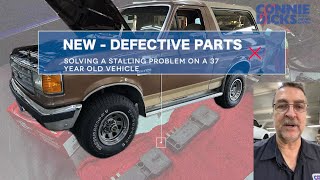
- Budget/Store Brands: Cheaper, often unbranded modules have a poor reputation. Owners frequently report these parts being dead-on-arrival (DOA) or failing within a few weeks or months. It can be frustrating to chase a problem caused by a brand-new, low-quality part. 🎬 Watch: Why even new aftermarket modules can be defective.
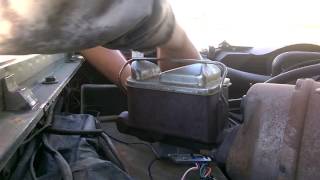
Pro Tip: Many experienced owners carry a known-good spare ignition module and a screwdriver or the necessary socket in their glove box. A swap takes only a few minutes on the side of the road and can save you a tow. 🎬 Watch: A quick walkthrough on replacing your ignition module.
Cost of a New Ignition Control Module
| Part Type | Estimated Cost |
|---|---|
| New Aftermarket (Standard, Delphi) | $82.70 - $110.55 |
| New OEM (Motorcraft) | $60 - $120+ |
| Shop Labor | $50 - $100 |
Frequently Asked Questions (FAQ)
Why do these modules fail so often?
Heat is the number one killer. The module is packed with electronics that get hot during normal operation. Over thousands of heat cycles, the internal connections break down, causing the classic 'die-when-hot' symptom. This is why applying thermal paste is so important.
What is the white grease that comes with the new module?
That is silicone dielectric grease or thermal paste. It is absolutely essential for installation. You must apply a thin layer to the metal back of the new module before bolting it on. This paste fills microscopic air gaps between the module and the fender (or distributor), allowing heat to transfer away from the module and preventing it from overheating. Skipping this step will cause the new module to fail very quickly.
Do I need special tools to replace it?
For the fender-mounted Dura-Spark module, you typically only need a screwdriver or a small socket to remove the two mounting screws. For the distributor-mounted TFI module found on later models, you will need a special, thin-walled 5.5mm socket to remove the unique mounting bolts.
🎬 See how to replace a distributor-mounted TFI module.Can I get my old module tested?
Many auto parts stores used to have testers for these modules, but it is becoming rare. The problem is that testing a cold module on a bench won't always detect a failure that only happens when it's hot. Given the low cost of a new part and the high likelihood of failure, most owners simply replace it as a key troubleshooting step.
Helpful Videos
Technical Specifications
OEM Part Numbers: D9VZ-12A199-A 1U2Z-12A199-AA E6SZ-12A297-A DY425A
System Type: Ford Dura-Spark II or TFI-IV. Mount Location: Inner fender (Dura-Spark) or Distributor (TFI). Connector Count: 2 (Dura-Spark).
We Have This Part in Stock


The information in this article is provided for general reference and educational purposes only. Vehicle specifications, procedures, and part compatibility can vary by production date, trim level, and region. Always consult your vehicle's factory service manual and verify part numbers before purchasing or performing repairs. Safety-critical components such as airbags, seat belts, and braking systems should be installed by a qualified professional.
- Ford Bronco: