

Accessory Drive Belt Guide for 1981-1987 Peterbilt 310 Trucks
Keep your classic Peterbilt running strong by understanding its unique accessory drive belt system.
- Your 1981-87 Peterbilt 310 uses multiple V-belts, not a single serpentine belt.
- Identify the correct belt by matching it to the specific accessory it drives (e.g., alternator, A/C).
- Premium aftermarket brands like Gates and Continental offer excellent quality for heavy-duty use.
- Always inspect pulleys and tensioners when replacing a belt; a bad pulley will quickly ruin a new belt.
Understanding Your Peterbilt 310's Belt System
Unlike modern trucks that use a single, flat serpentine belt, your 1981-1987 Peterbilt 310 uses a set of individual V-belts to power its accessories. Each belt typically has a V-shaped cross-section that fits into a corresponding groove on the engine pulleys. This multi-belt setup means one failed belt might only disable one component, but it also means there are multiple belts to inspect and maintain. It's crucial to know which belt drives which accessory on your specific engine configuration.
Signs of a Failing V-Belt
Spotting a worn belt before it snaps can save you from a breakdown on the road. During your regular vehicle inspections, look and listen for these common symptoms:
- Squealing or Chirping Noises: A high-pitched squeal, especially when starting the engine or in damp weather, is the most common sign of a loose, worn, or contaminated belt. This noise happens when the belt slips on the pulleys.
- Visible Damage: A quick visual check can reveal a lot. Look for cracks, frayed edges, missing chunks of rubber, or a shiny, smooth surface on the belt's sides, known as 'glazing'. These are all signs that the belt material is breaking down and needs replacement.
- Accessory Problems: If your battery light comes on, your power steering feels heavy, or the A/C stops blowing cold, a belt may be slipping or broken. A failing belt can't properly power the alternator, power steering pump, or A/C compressor.
- Engine Overheating: If the V-belt that drives your water pump fails, the engine will lose coolant circulation and overheat very quickly, which can lead to severe engine damage.
Choosing the Right Aftermarket Belts
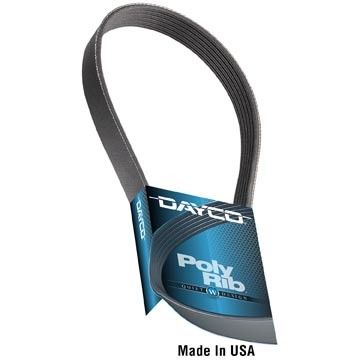
For a vehicle from the 1980s, new OEM (Original Equipment Manufacturer) belts are virtually nonexistent. The market is served by high-quality aftermarket brands that often meet or exceed the original specifications. Brands like Gates, Continental, and Dayco are reputable choices for heavy-duty applications.
| Brand Tier | Brands | Typical Quality & Notes |
|---|---|---|
| Premium Heavy-Duty | Gates (FleetRunner), Continental | Often considered top-tier for heavy-duty use. Gates FleetRunner belts, for example, are known for their durability and heat resistance. Continental is also a major OEM supplier with a strong reputation. These are excellent choices for maximum reliability. |
| Standard Professional | Dayco | Dayco is a well-known brand that provides reliable performance and is widely available. They offer a good balance of quality and cost for most applications. |
Pro Tip: When replacing one belt, it's wise to inspect all of them. If they were installed at the same time, the others are likely near the end of their service life too. Also, always check the pulleys for wobble or roughness when spinning; a bad pulley bearing can destroy a new belt quickly.
Frequently Asked Questions (FAQ)
Does my 1981-1987 Peterbilt 310 have a serpentine belt?
No, trucks from this era use a system of multiple, individual V-belts to drive accessories like the alternator and water pump, not a single serpentine belt. You must identify which specific belt needs replacement.
How do I find the correct V-belt for my truck?
Because different engines and option packages were available, the best way is to use the part number from the old belt. If it's unreadable, you will need to identify the belt's function (e.g., alternator belt), and provide your truck's year, model, and engine details (like the Cummins 14.0L or 9L V6) to a parts supplier.
Why is my new belt squealing?
A new belt can squeal if it's not tensioned correctly. Unlike modern systems with automatic tensioners, V-belts require manual tensioning. Squealing can also be caused by a misaligned pulley or contamination from oil or coolant. Never use a spray-on belt dressing, as it can damage the belt and cause future slipping.
Are there any recalls for belts on the Peterbilt 310?
No specific recalls or Technical Service Bulletins (TSBs) related to accessory belts were found for the 1981-1987 Peterbilt 310. This is common for vehicles of this age. General recalls for Peterbilt trucks from other years do not apply to this specific part and model range.
Technical Specifications
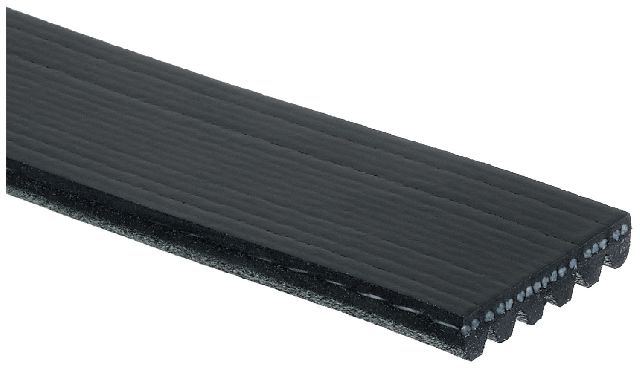
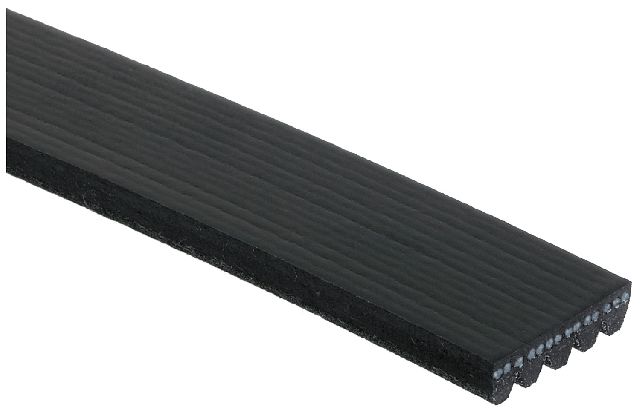
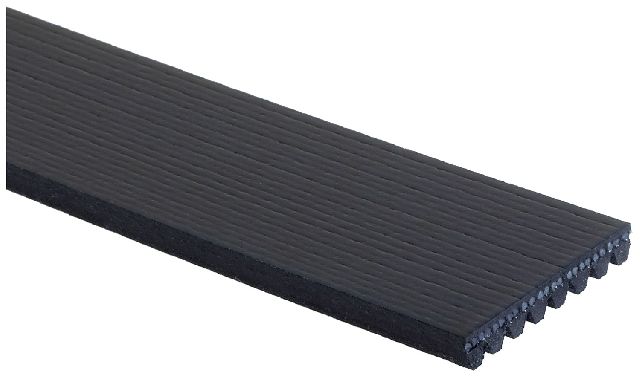
System Type: Multiple V-Belts. Belt construction varies by brand and application (e.g., Top Cog, Polyester Cord). You must match the belt length and V-profile to the specific engine and accessory it drives.
We Have This Part in Stock

The information in this article is provided for general reference and educational purposes only. Vehicle specifications, procedures, and part compatibility can vary by production date, trim level, and region. Always consult your vehicle's factory service manual and verify part numbers before purchasing or performing repairs. Safety-critical components such as airbags, seat belts, and braking systems should be installed by a qualified professional.
- Peterbilt 310: