

Peterbilt 310 Radiator Coolant Hose Guide: 1981-1987
Keep your Peterbilt 310's engine cool and reliable by knowing when and how to replace your radiator hoses.
- A leaking, bulging, or soft radiator hose requires immediate attention to prevent catastrophic engine damage.
- Do not drive your truck if you suspect a coolant hose has failed; the risk of overheating is too high.
- For this vintage of truck, quality aftermarket brands like Gates or Continental are the recommended replacement option.
- For a reliable repair, always replace hose clamps with the hose and consider replacing the upper and lower hoses as a pair.
Is Your Peterbilt 310's Radiator Hose Failing?
Radiator hoses are not permanent parts. After decades of exposure to high heat, pressure, and engine vibration, the rubber breaks down from the inside out. For a workhorse truck like the Peterbilt 310, catching the warning signs of a bad hose is critical to avoiding a costly breakdown on the road.
Key Failure Symptoms
- Visible Coolant Leaks: This is the most obvious sign. You may find puddles of green, yellow, or pink fluid under the front of your truck after it has been parked. You might also notice a sweet antifreeze smell while driving or after shutting the engine off.
- Engine Overheating: If your temperature gauge is climbing higher than normal, a leaking or collapsed hose could be the cause. A lack of coolant means the engine cannot cool itself effectively.
- Swollen or Soft Hoses: With the engine off and completely cool, squeeze the radiator hoses. If a hose feels spongy, mushy, or excessively soft, its internal structure is failing and it could burst at any time. A visible bulge or bubble on the hose indicates a critical weak spot.
- Visible Damage: During regular inspections, look for cracks, splits, or abrasions on the surface of the hoses, especially around connection points and bends.
Do Not Drive with a Leaking Hose
If you suspect a radiator hose has failed, do not continue to drive the truck. Losing coolant can cause the engine to overheat in minutes, leading to warped cylinder heads, blown head gaskets, or a seized engine—repairs that can cost thousands of dollars.
Choosing the Right Aftermarket Radiator Hose
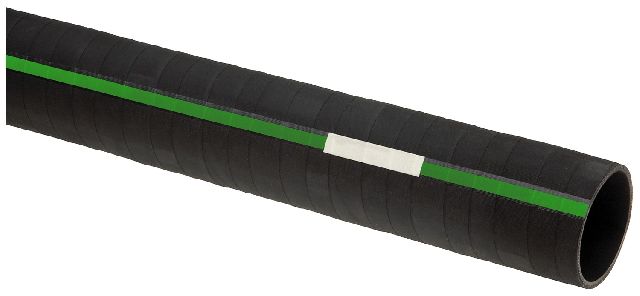
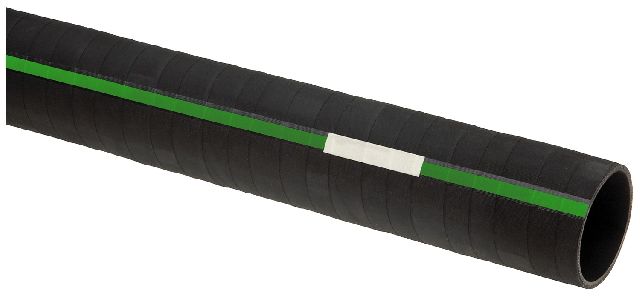
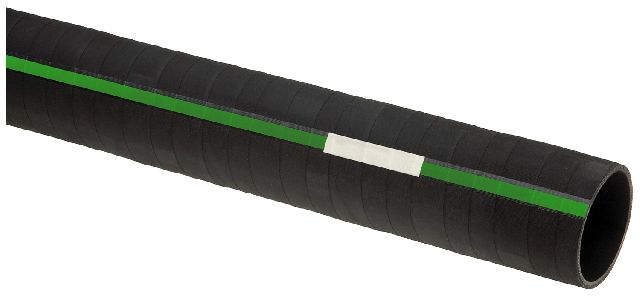
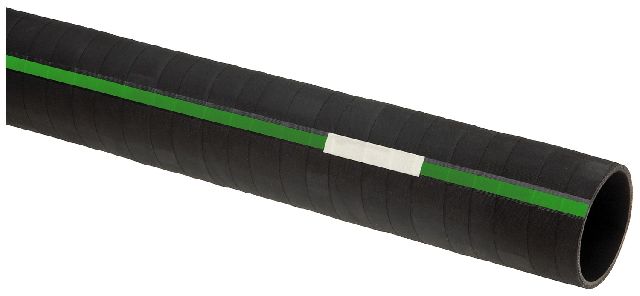
For a vintage truck like the 1981-1987 Peterbilt 310, finding new original equipment (OEM) hoses is highly unlikely as they are often discontinued. Fortunately, top-tier aftermarket brands offer excellent quality that often meets or exceeds the original specifications.
Brand Quality: Continental vs. Gates
Both Continental and Gates are highly respected manufacturers of aftermarket hoses and are considered reliable choices for heavy-duty applications. Forum discussions among mechanics often show a slight preference for Gates, with some noting the material feels thicker and can provide a better seal. However, either brand is a significant step up from generic, unbranded parts and can be used with confidence. The most important factor is ensuring the part number matches your truck's specific engine and hose position (e.g., upper, lower, pipe to cooler).
Pro Tip: When replacing a radiator hose, always replace the hose clamps as well. Old clamps can lose tension or corrode, creating a leak point even with a new hose. Also, if one hose has failed from age, the other is likely near the end of its life. It's good practice to replace the upper and lower hoses at the same time.
Cost to Replace a Peterbilt 310 Radiator Hose
The total cost depends on the part price and local labor rates. This table provides an estimated breakdown.
| Item | Estimated Cost |
|---|---|
| New Aftermarket Radiator Hose | $37.08 - $124.47 |
| Shop Labor | $150 - $300 |
| Total Estimated Cost | $187.08 - $424.47 |
Note: Costs are estimates and can vary based on your location and specific truck configuration. Price does not include the cost of new coolant.
Frequently Asked Questions (FAQ)
Are there any recalls for 1981-1987 Peterbilt 310 radiator hoses?
No. A search of the National Highway Traffic Safety Administration (NHTSA) database did not find any recalls specifically related to radiator coolant hoses for the 1981-1987 Peterbilt 310.
Can I replace the radiator hose myself?
Yes, for a mechanic with experience working on heavy trucks, this is a manageable job. It requires draining the cooling system, accessing the hose clamps (which may require tilting the cab), and properly refilling and bleeding the air from the system afterward. Always ensure the engine is completely cool before starting work.
What is the difference between the upper and lower radiator hose?
The upper radiator hose carries the hottest coolant directly from the engine to the radiator. Because it endures the most thermal stress, it is often the first to fail. The lower hose returns the cooled liquid from the bottom of the radiator back to the engine's water pump and may have an internal spring to prevent it from collapsing under suction.
Why is my new radiator hose leaking?
If a brand new hose is leaking, the problem is usually not the hose itself. The most common cause is the connection point—the outlet on the radiator or the pipe on the engine may be corroded, dirty, or damaged. This surface must be cleaned thoroughly before installing the new hose. Also, ensure you are using new, high-quality hose clamps and that they are tightened correctly to create a firm seal.
Technical Specifications
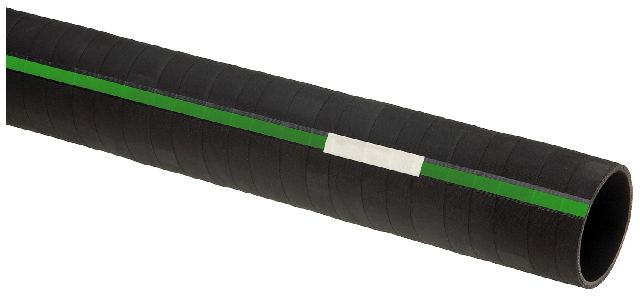
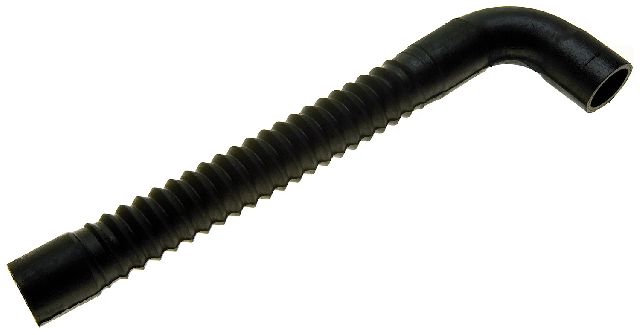
OEM part numbers for this model year are not readily available. It is critical to match the replacement hose to your Peterbilt 310's specific engine (e.g., 7.0L L6 or 9.0L V6) and the exact hose position (Upper, Lower, Lower - Cooler To Radiator, Lower - Pipe To Cooler). Always verify fitment before purchasing.
We Have This Part in Stock

The information in this article is provided for general reference and educational purposes only. Vehicle specifications, procedures, and part compatibility can vary by production date, trim level, and region. Always consult your vehicle's factory service manual and verify part numbers before purchasing or performing repairs. Safety-critical components such as airbags, seat belts, and braking systems should be installed by a qualified professional.
- Peterbilt 310: