

Mack DMM Radiator Coolant Hose Guide: 1981-1987 Models
Keep your classic Mack DMM running cool with the right replacement radiator hoses.
- A leaking, bulging, or cracked radiator hose on a Mack DMM is a critical failure waiting to happen; do not delay replacement.
- New OEM hoses are not available; choose a quality pre-molded aftermarket hose from a trusted brand like Gates or Dayco.
- Always replace radiator hoses in pairs (upper and lower) and install new hose clamps to ensure a complete and reliable repair.
- Regularly inspect hoses for softness, hardening, or swelling to prevent being stranded by a sudden burst.
Signs of a Failing Radiator Hose
For a truck that's been on the road as long as the 1981-1987 Mack DMM, the original radiator hoses are well past their service life. Rubber and synthetic materials break down over decades of heat cycles. A failed hose isn't a matter of if, but when. A burst hose can lead to rapid coolant loss, engine overheating, and catastrophic failure, leaving you stranded. Regularly inspect your hoses for these warning signs:
- Coolant Leaks: The most obvious sign. Look for puddles of green, yellow, or orange fluid under your truck. You may also see a crusty, crystalline residue around the hose clamps or smell a sweet, syrupy odor from the engine bay when it's warm.
- Visible Damage: Check for cracks, splits, or fraying on the hose surface. Oil contamination can cause the rubber to soften and degrade, so check any areas where oil may have leaked onto the hose.
- Bulging or Swelling: If any part of the hose looks swollen or ballooned, its internal reinforcing layers have failed. This is a major red flag that the hose is about to burst under pressure.
- Spongy or Hard Spots: When the engine is cold, squeeze the hoses. A healthy hose should feel firm but pliable. If it feels soft and spongy, or conversely, hard and brittle, it needs to be replaced.
A Collapsed Hose Can Choke Your Engine
The lower radiator hose is under suction from the water pump. As it ages, it can lose its internal structure and collapse under vacuum, especially at higher RPMs. This starves the engine of coolant and can cause overheating even if the system is full and has no leaks. Quality replacement hoses have an internal spring or are built with materials to resist this collapse.
Choosing the Right Aftermarket Hose
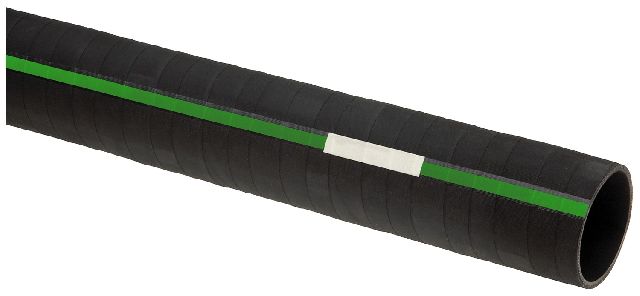
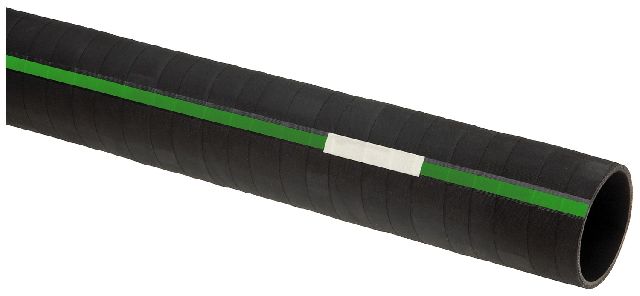
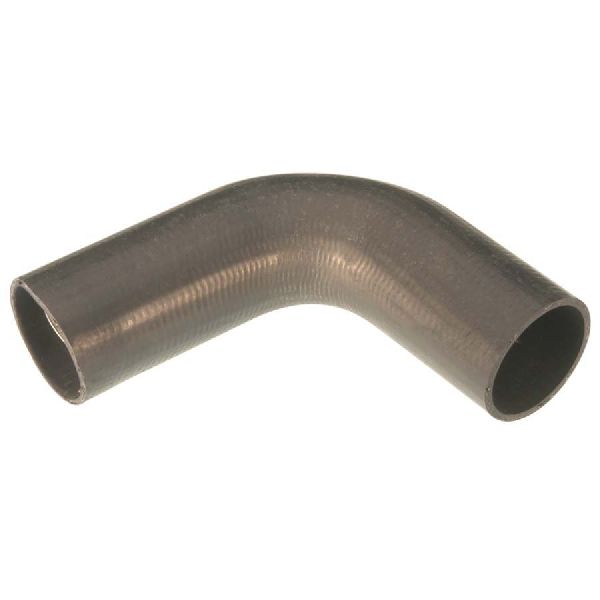
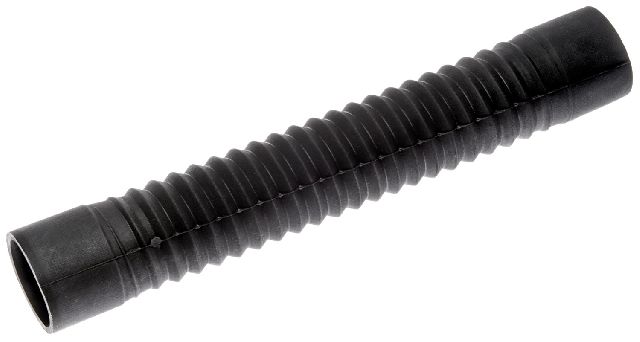
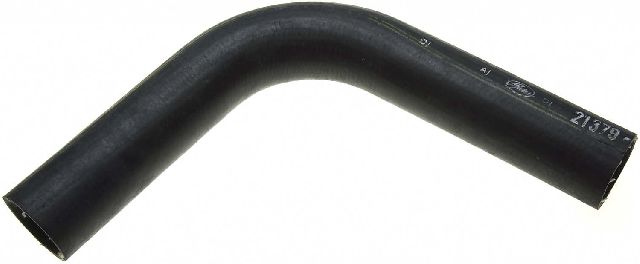
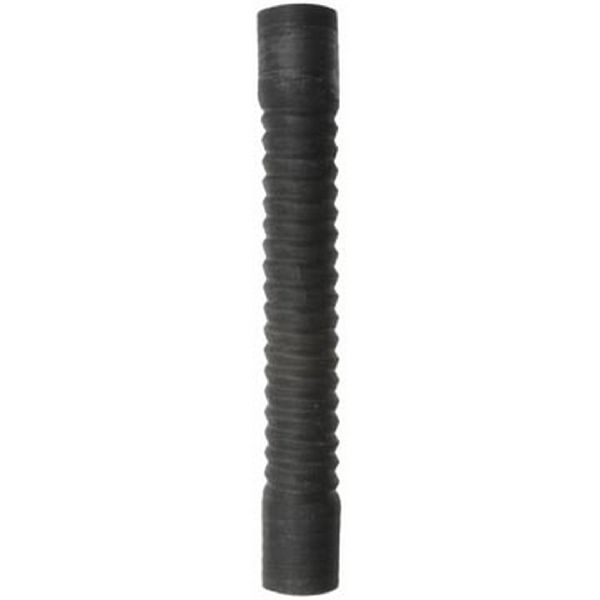
For a vintage truck like the Mack DMM, new OEM (Original Equipment Manufacturer) hoses are generally not available. Aftermarket is the only practical option. The key is to choose a quality, pre-molded hose from a reputable brand. Avoid using universal or "flex" hoses, as they are more likely to kink and restrict flow.
The two primary aftermarket brands available for this truck are Dayco and Gates. Both are well-known manufacturers that supply parts to many vehicle makers.
- Gates: Often considered a top-tier aftermarket brand. Gates hoses are known for their durability and precise fitment. They are engineered to resist electrochemical degradation, a common cause of internal hose failure. Some mechanics prefer Gates for their consistent quality.
- Dayco: A solid and reliable choice, often seen as a direct competitor to Gates. Some users note that Dayco hoses can feel slightly thicker, which they prefer. Dayco is a major OEM supplier, so their aftermarket quality is generally trusted.
Pro Tip: There is no clear "winner" between Dayco and Gates, as both produce quality hoses that will serve a Mack DMM well. The best choice often comes down to availability and price. The most important factor is replacing your old, worn-out hoses with a new, properly molded part from either of these trusted brands.
Cost to Replace Mack DMM Radiator Hoses
| Part Type | Estimated Cost |
|---|---|
| New Aftermarket Hoses (Dayco, Gates) | $26.59 - $101.28 (per hose) |
| Shop Labor | $150 - $300 |
Cost estimates are for parts and labor and can vary based on your location and chosen repair shop. It is highly recommended to replace both the upper and lower hoses at the same time.
Frequently Asked Questions
Are there any recalls for 1981-1987 Mack DMM radiator hoses?
No. There are no active recalls or common Technical Service Bulletins (TSBs) from the NHTSA or Mack for radiator hoses on this specific vehicle. Any failures are due to the age and wear of the component, not a specific manufacturing defect.
Should I replace the hose clamps too?
Yes, absolutely. Always install new hose clamps with new hoses. Old clamps can lose their tension over time, leading to leaks even with a new hose. Gates specifically recommends replacing clamps with every new hose installation.
If one hose is bad, should I replace them all?
Yes. Radiator hoses are exposed to the same heat, pressure, and age. If the upper hose has failed, the lower hose is likely close to failing as well. Replacing all main radiator hoses at once is smart preventative maintenance that prevents being stranded by a different hose failure shortly after a repair.
Is this a DIY job for a Mack DMM?
For a mechanic with experience working on heavy-duty trucks, this is a straightforward job. It involves draining several gallons of coolant, accessing the clamps (which may be in tight spots), and properly refilling and bleeding the system. If you are not comfortable with this process, it is best to have a professional mechanic perform the work.
Technical Specifications
Hoses are typically made from EPDM (Ethylene Propylene Diene Monomer) rubber, pre-molded to fit specific engine and radiator connections. They are designed to resist heat, pressure, and chemical degradation from coolant.
We Have This Part in Stock

The information in this article is provided for general reference and educational purposes only. Vehicle specifications, procedures, and part compatibility can vary by production date, trim level, and region. Always consult your vehicle's factory service manual and verify part numbers before purchasing or performing repairs. Safety-critical components such as airbags, seat belts, and braking systems should be installed by a qualified professional.
- Mack DMM: