

Ford LTS9000 Engine Coolant Bypass Hose Replacement Guide (1981-1987)
Keep your heavy-duty Ford's engine from overheating by understanding this critical, often-overlooked coolant hose.
- A failing bypass hose can cause catastrophic engine damage from overheating; do not drive with a known leak.
- You must identify your LTS9000's specific engine (e.g., Cummins, Caterpillar) to order the correct hose.
- Quality aftermarket brands like Gates are the most reliable and practical option, as original Ford parts are unavailable.
- When replacing the hose, it is best practice to also inspect other cooling hoses and replace the clamps.
Is Your LTS9000's Engine At Risk? Signs of a Failing Bypass Hose
A bad coolant bypass hose is a serious issue for any working truck. Because these hoses are made of rubber and are constantly exposed to high temperatures and pressure, they will break down over time. If you see any of these signs, it's time to inspect your cooling system immediately. Ignoring them can lead to your truck's engine overheating, leaving you stranded and facing expensive repairs.
- Coolant Leaks: This is the most obvious symptom. You may find puddles of bright green, orange, or pink fluid under the front of your truck. A small leak can also leave behind white or rusty-colored residue on the hose or nearby engine parts.
- Sweet Smell: A distinct sweet odor coming from the engine bay is a classic sign of an external coolant leak, even if it's too small to drip onto the ground.
- Visible Hose Damage: When the engine is cool, check the hose. If it looks cracked, split, or swollen, or if it feels mushy or overly hard, it needs to be replaced. These are signs the rubber is compromised and could burst at any moment.
- Engine Overheating: If the hose fails completely, the rapid loss of coolant will cause your engine's temperature gauge to climb into the red very quickly. This is a critical situation that can lead to severe engine damage like a warped cylinder head or blown head gasket.
Critical Component Warning
Do not ignore symptoms of a bad coolant hose. A sudden hose failure will cause a rapid loss of coolant, leading to severe engine overheating and potentially catastrophic damage to your LTS9000's engine.
Choosing the Right Aftermarket Hose
For a classic truck like the 1981-1987 LTS9000, original Ford (OEM) parts are likely discontinued and unavailable. This means you will be shopping for an aftermarket replacement. Fortunately, reputable brands make high-quality parts for heavy-duty trucks.
The most important factor is ensuring you get the correct hose for your specific engine. The Ford L-Series trucks were available with different diesel engines from manufacturers like Cummins and Caterpillar, and each one uses a specifically shaped hose. Ordering the wrong one will lead to fitment problems.
Brand Quality: Gates
Gates is the primary aftermarket brand available for this part. They are widely considered a top-tier manufacturer for hoses and belts. Mechanics and fleet managers often praise Gates for their excellent fitment, which is close to original equipment standards, and for their durability. Their hoses are made from modern materials like EPDM rubber, which resists heat, ozone, and chemical degradation better than the original rubber from the 1980s. Choosing a quality molded hose from Gates is a reliable and smart investment for your truck.
Pro Tip: Check Everything
When replacing a failed hose, it's smart to inspect the rest of the cooling system. If one hose has failed due to age, others are likely not far behind. Check all other coolant hoses, replace old clamps, and consider replacing the thermostat at the same time. This preventative maintenance can save you from another breakdown down the road.
Typical Replacement Costs
The cost to replace an engine coolant bypass hose depends on whether you do the work yourself or hire a shop. The part itself has a wide price range, likely due to different hose configurations for various engines available in the LTS9000.
| Item | Estimated Cost |
|---|---|
| New Aftermarket Hose (Gates) | $78.30 - $301.19 |
| Shop Labor | $125 - $250 |
| Total Estimated Cost (Installed) | $203.30 - $551.19 |
Cost estimates are approximate and can vary based on your location and the specific engine in your truck.
Frequently Asked Questions
Are there any recalls for the LTS9000 coolant bypass hose?
No, searches of the National Highway Traffic Safety Administration (NHTSA) database and other public records show no recalls or widespread technical service bulletins (TSBs) specifically for the engine coolant bypass hose on the 1981-1987 Ford LTS9000.
Can I use a generic straight hose instead of a molded one?
While some have attempted this, it is not recommended. Molded hoses are designed to fit perfectly around other engine components without kinking or rubbing. A kinked hose will restrict coolant flow, and a hose that rubs against something will fail prematurely. Always use the correct molded hose for your engine to ensure reliability.
Why is there such a big price difference in the available hoses?
The Ford LTS9000 was offered with several different heavy-duty diesel engines. The size, complexity of the bends, and materials of the bypass hose can vary significantly between these engines, leading to a wide range in manufacturing cost and retail price.
Is an aftermarket Gates hose as good as the original Ford part?
Yes. For a vehicle of this age, a quality aftermarket hose from a brand like Gates is an excellent choice. Hose technology has improved, and modern EPDM rubber compounds are often more resistant to heat and degradation than the original parts from the 1980s.
Technical Specifications
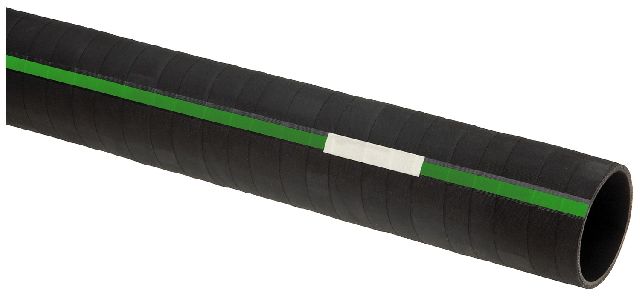
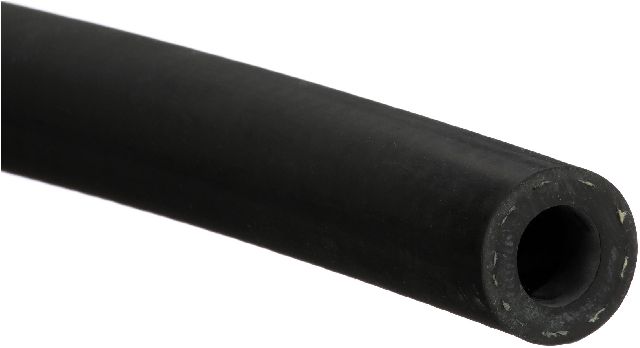
Varies by engine. Must match the specific engine model (e.g., Cummins, Caterpillar) installed in the truck. Hoses are typically made of EPDM rubber and are pre-molded to fit.
We Have This Part in Stock

The information in this article is provided for general reference and educational purposes only. Vehicle specifications, procedures, and part compatibility can vary by production date, trim level, and region. Always consult your vehicle's factory service manual and verify part numbers before purchasing or performing repairs. Safety-critical components such as airbags, seat belts, and braking systems should be installed by a qualified professional.
- Ford LTS9000: