

Ford LT9000 Engine Coolant Bypass Hose Guide (1981-1987)
Keep your heavy-duty Ford's engine cool and prevent costly damage by replacing a worn bypass hose.
- You must identify your LT9000's specific engine (e.g., Cummins, Caterpillar) to order the correct bypass hose.
- A failing bypass hose can cause a catastrophic coolant loss, leading to severe engine overheating and costly damage.
- Quality aftermarket brands like Gates are the most reliable and practical option, as original Ford parts are likely unavailable.
- When replacing the hose, it is best practice to also inspect other cooling hoses, change the thermostat, and refill the system with fresh coolant.
Understanding the Engine Coolant Bypass Hose on Your LT9000
On a heavy-duty truck like the 1981-1987 Ford LT9000, the engine generates immense heat. The coolant bypass hose plays a small but vital role in managing that heat from the moment you start the engine. It ensures coolant is moving and preventing damaging hot spots before the thermostat opens and allows full flow to the radiator. Due to age, heat, and pressure, these rubber hoses will eventually crack, bulge, or become brittle, leading to failures that can sideline your truck.
Symptoms of a Failing Bypass Hose
Catching a bad hose early can save you from an expensive breakdown. Look for these common signs:
- Visible Coolant Leaks: You might see bright green, orange, or red puddles under the engine bay or notice stains on the engine itself.
- Sweet Smell of Coolant: A faint to strong sweet odor from the engine area often indicates a coolant leak, even if it's a small one that evaporates before it drips.
- Engine Overheating: If the hose fails completely, the rapid loss of coolant will cause the engine temperature to rise quickly, which can lead to severe engine damage.
- Visible Hose Damage: Inspect the hose for cracks, splits, bulges, or areas that feel unusually soft or spongy. Any of these signs mean the hose is compromised and should be replaced immediately.
Critical: Match the Hose to Your Engine
The 1981-1987 Ford LT9000 was available with several different diesel engines from manufacturers like Cummins and Caterpillar. The shape, diameter, and length of the coolant bypass hose are specific to the engine model. Ordering the wrong part will result in fitment issues. Always verify your truck's engine before purchasing a replacement hose.
Choosing the Right Aftermarket Hose
For a vehicle of this age, original equipment manufacturer (OEM) parts are typically discontinued and unavailable. Fortunately, reputable aftermarket brands offer quality replacements.
Gates is a well-known and trusted brand for belts and hoses in the heavy-duty truck industry. Forum discussions among truck owners and mechanics frequently mention Gates as a reliable choice for coolant hoses, often citing good fitment and durability. Given the lack of OEM options, a high-quality aftermarket hose from a brand like Gates is the best and most practical choice.
Estimated Replacement Costs
| Part Type | Estimated Cost |
|---|---|
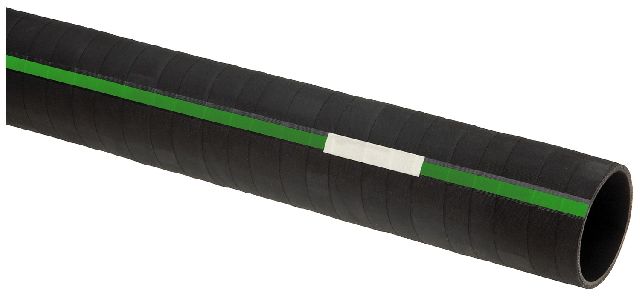
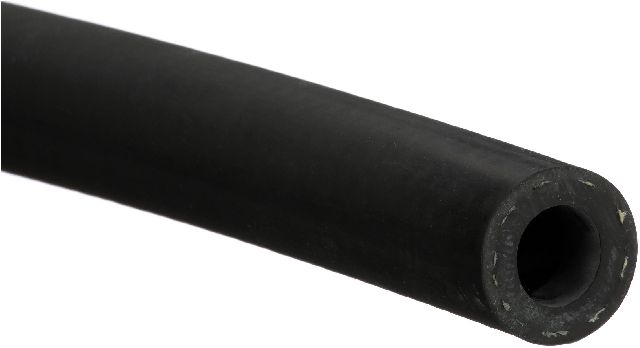
| New Aftermarket Hose (Gates) | $64.45 - $301.19 |
| Shop Labor | $200 - $500 |
| Total Estimated Cost | $265 - $802 |
Cost estimates are for the part and labor and do not include the cost of new coolant or other parts that may be replaced at the same time. The wide price range for the part reflects the different hoses required for various engine options.
Pro Tip: What Else to Replace
While you are replacing the bypass hose, it is a good time to inspect all other cooling system hoses. It is also wise to consider replacing the thermostat and flushing the cooling system with fresh coolant at the same time. This preventative maintenance can save you from future breakdowns.
Frequently Asked Questions (FAQ)
Why is it called a 'bypass' hose?
It is called a bypass hose because it creates a path for coolant to 'bypass' the main radiator circuit when the thermostat is closed. This ensures constant, gentle circulation within the engine block for even warm-up.
Can I use a generic, straight piece of hose?
No. Bypass hoses are specifically molded with precise bends to navigate around other engine components without kinking or rubbing. Using a generic hose can lead to restricted flow or premature failure. You must use the correct molded hose for your specific engine.
How do I know which hose fits my LT9000's engine?
You must identify the manufacturer and model of the engine in your truck (e.g., Cummins Big Cam, Caterpillar 3406). This information is usually on a data plate on the engine itself. Use this engine information, not just the truck model, to find the correct part number.
Were there any recalls for the LT9000 coolant bypass hose?
A search of the National Highway Traffic Safety Administration (NHTSA) database did not find any specific recalls or technical service bulletins (TSBs) related to the engine coolant bypass hose for the 1981-1987 Ford LT9000.
Technical Specifications
Hose specifications such as diameter, length, and molded shape are dependent on the specific engine model (e.g., Cummins, Caterpillar) installed in the truck.
We Have This Part in Stock

The information in this article is provided for general reference and educational purposes only. Vehicle specifications, procedures, and part compatibility can vary by production date, trim level, and region. Always consult your vehicle's factory service manual and verify part numbers before purchasing or performing repairs. Safety-critical components such as airbags, seat belts, and braking systems should be installed by a qualified professional.
- Ford LT9000: