

Ford L9000 Engine Coolant Bypass Hose: A Replacement Guide for 1981-1987 Models
Keep your heavy-duty Ford on the road by learning why matching the bypass hose to your specific engine is critical.
- You must identify your L9000's specific engine (e.g., Cummins, Caterpillar) to order the correct bypass hose.
- A failing bypass hose can cause a catastrophic coolant loss, leading to severe engine overheating and costly damage.
- Quality aftermarket brands like Gates are the most reliable and practical option, as original Ford parts are likely unavailable.
- Do not drive with a known coolant leak; the risk of sudden hose failure and engine damage is high.
The Most Important Step: Identify Your Engine
The 1981-1987 Ford L9000 was a versatile workhorse, and Ford offered it with a variety of heavy-duty diesel engines from manufacturers like Caterpillar and Cummins. The engine coolant bypass hose is not specific to the L9000 truck model, but to the engine installed in it. The shape, diameter, and length of the hose are different for a Cummins N-series versus a Caterpillar 3406. Before ordering, you must identify which engine your truck has to ensure you get the correct part. Ordering the wrong hose will lead to fitment problems and potential leaks.
Symptoms of a Failing Bypass Hose
Due to age, constant heat cycles, and pressure, the rubber on your bypass hose will eventually fail. A bad hose can leave your truck stranded and lead to expensive engine damage if ignored. Watch for these clear warning signs:
- Visible Coolant Leaks: This is the most obvious symptom. You may find puddles of bright green, orange, or red fluid under the engine bay. You might also see dried, crusty coolant residue on or around the hose itself.
- Sweet Smell: Antifreeze has a distinct sweet odor. If you smell this around your truck, especially when the engine is warm, it's a strong sign of a coolant leak, even if it's too small to drip.
- Engine Overheating: If the hose develops a significant leak or bursts, the rapid loss of coolant will cause the engine temperature to spike. Driving an overheating engine for even a short time can cause catastrophic damage, like a warped cylinder head or blown head gasket.
- Visible Hose Damage: During regular inspections, look at the hose itself. If you see cracks, splits, or bulges, or if the hose feels excessively hard, brittle, or soft and spongy, it needs to be replaced immediately.
Do Not Drive With a Coolant Leak
A small leak can become a complete hose failure without warning. The risk of rapid overheating and severe, costly engine damage is too high. It is best to park the vehicle until the cooling system can be repaired.
Choosing the Right Aftermarket Hose
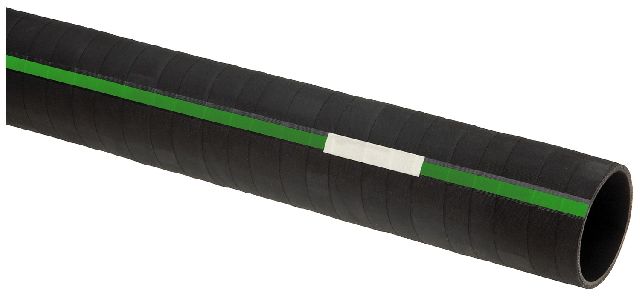
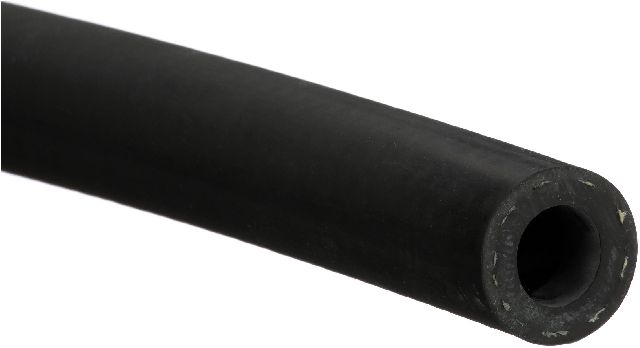
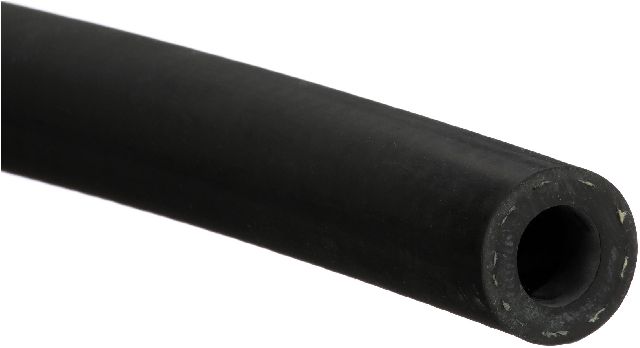
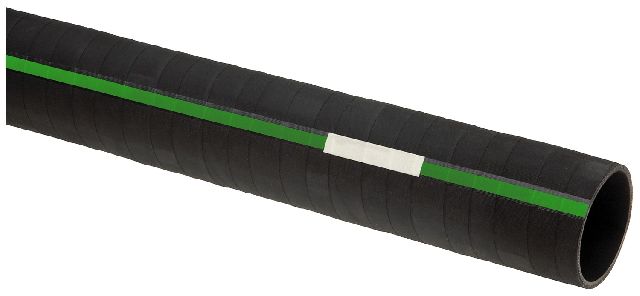
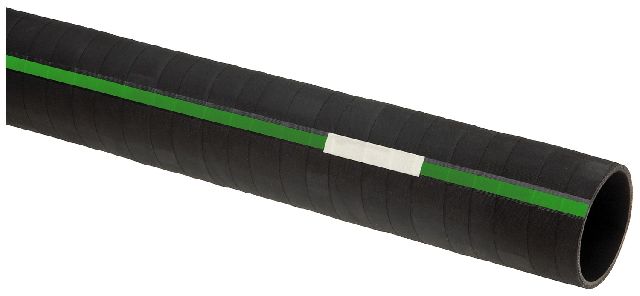
For a vehicle of this age, finding new original equipment (OEM) Ford parts is highly unlikely. The standard and most reliable option is a quality aftermarket hose. Gates is a well-known and trusted manufacturer of coolant hoses for heavy-duty applications. Their products are engineered to meet or exceed original quality standards, offering excellent resistance to heat, pressure, and electrochemical degradation, which is a primary cause of hose failure. When shopping, focus on a reputable brand like Gates to ensure proper fit and long service life.
| Part Type | Estimated Cost |
|---|---|
| New Aftermarket (Gates) | $64.45 - $301.19 |
| Shop Labor | $150 - $300 |
| New OEM (Ford/Motorcraft) | Not Available |
| Used OEM | Not Recommended (Rubber degrades over time) |
Pro Tip: While You're At It
When replacing the bypass hose, it's a good practice to inspect all other cooling system hoses. If they are the same age, they are likely near the end of their service life as well. Consider replacing the hose clamps, thermostat, and flushing the cooling system with fresh, manufacturer-specified coolant at the same time.
Frequently Asked Questions (FAQ)
Are there any recalls or TSBs for the L9000 coolant bypass hose?
Searches of the National Highway Traffic Safety Administration (NHTSA) database and other technical resources show no specific recalls or Technical Service Bulletins (TSBs) for the engine coolant bypass hose on the 1981-1987 Ford L9000.
Can I use a universal flexible hose instead of a molded one?
No. It is not recommended to use a universal or flexible hose for this application. Bypass hoses often have specific bends and shapes to route around other engine components. Using a straight or flexible hose can cause it to kink, which restricts coolant flow and can lead to overheating.
Why is the price range for this hose so wide?
The price varies significantly because the hose is engine-dependent. Different engines used in the L9000 (e.g., from Cummins or Caterpillar) require different, and sometimes more complex or larger, hoses which affects the manufacturing cost.
Is this a difficult part to replace?
For a mechanic with experience working on heavy-duty trucks, replacing a coolant bypass hose is a relatively straightforward job. The difficulty is typically low to moderate, depending on the specific engine and how accessible the hose is. It is considered a feasible DIY job for a knowledgeable and properly equipped owner.
Technical Specifications
OEM part numbers vary based on the specific engine (Cummins, Caterpillar, etc.) installed in the truck. Aftermarket hoses, like those from Gates, are typically made from EPDM rubber and feature multi-ply construction to handle high pressure and temperatures.
We Have This Part in Stock

The information in this article is provided for general reference and educational purposes only. Vehicle specifications, procedures, and part compatibility can vary by production date, trim level, and region. Always consult your vehicle's factory service manual and verify part numbers before purchasing or performing repairs. Safety-critical components such as airbags, seat belts, and braking systems should be installed by a qualified professional.
- Ford L9000: