

1981-1986 GMC Transit Bus A/C System Valve Core and Cap Kit: A Mechanic's Guide
If your transit bus's A/C is slowly losing its cool, the problem might be smaller and cheaper to fix than you think.
- A slow loss of A/C performance on your GMC Transit Bus is very commonly caused by a leaking valve core or cap.
- Replacing the valve cores is not a DIY job because the refrigerant must be legally and safely recovered by a professional first.
- Always install the new caps securely, as they provide a critical secondary seal against leaks and contamination.
- For a vehicle of this age, an aftermarket kit from a brand like Global Parts is the only practical and reliable option.
Is Your Bus A/C Blowing Warm? Check the Service Ports First
When the air conditioning in your 1981-1986 GMC Transit Bus starts to weaken, it's usually due to a loss of refrigerant. While a major component failure is possible, a much more common issue on aging vehicles is a slow leak from the A/C service ports. Over many years of service, the tiny rubber seals inside the valve cores can dry out and fail, allowing refrigerant to escape. The plastic or metal caps also have seals that can degrade, making them a critical part of the system.
Symptoms of a Leaking A/C Valve Core or Cap
- Gradual Loss of Cooling: The most common symptom. The A/C gets progressively warmer over several weeks or months. This is different from a sudden failure, which might point to a bad compressor.
- Hissing Sounds: You might hear a very faint hiss from the A/C service ports in the engine bay, especially right after the engine is turned off.
- Oily Residue: Refrigerant contains a special oil to lubricate the A/C compressor. A leak will allow this oil to escape, which then attracts dirt and grime. Look for an oily, dirty buildup around the service port caps.
Choosing the Right Aftermarket Kit
For a vehicle from the early 1980s, original OEM A/C parts are virtually nonexistent. Your only option is the aftermarket. Fortunately, for a part like this, aftermarket quality is generally very good.
Brand Focus: Global Parts Distributors (gpd)
Global Parts is a well-known aftermarket supplier that specializes in A/C components for a huge range of vehicles, including commercial and heavy-duty applications. Their kits are designed to meet or exceed original specifications. The key is to ensure the kit you buy is listed as compatible with your 1981-1986 GMC Transit Bus to get the right assortment of cores and caps. For a simple, low-cost part like this, Global Parts is a reliable choice.
Pro Tip: R-12 vs. R-134a Conversion
Your bus was originally equipped with an R-12 refrigerant system. Many of these older systems have been legally converted to use modern R-134a refrigerant. This conversion often involves installing new service port adapters. Before buying a kit, inspect your service ports. If they have been converted, you may need a kit compatible with R-134a fittings.
A/C Valve Core and Cap Replacement Cost
The parts themselves are very inexpensive. However, the labor is where the real cost lies. Legally, a technician must use a special machine to recover any refrigerant from the system before it can be opened to replace the valves. After the new valves are installed, the system must be put under a vacuum to remove air and moisture, and then recharged with the correct amount of refrigerant and oil.
| Part/Service | Estimated Cost |
|---|---|
| New Aftermarket Kit (Global Parts) | $8.39 |
| Shop Labor (A/C Evacuate & Recharge) | $150 - $300 |
| New OEM Kit | Not Available |
Frequently Asked Questions
Can I replace the A/C valve cores myself?
While physically unscrewing the old core and installing a new one is simple, it is illegal to release refrigerant into the atmosphere. Therefore, this job requires a professional with an A/C recovery machine to evacuate the system first. Unless you are a certified technician with the right equipment, this is not a DIY job.
Why are the service port caps so important?
The caps provide a critical secondary seal. The valve core is the primary seal, but it can still leak slightly. The rubber O-ring inside the cap provides a backup to ensure no refrigerant escapes. Just as importantly, it prevents dirt, dust, and moisture from entering and contaminating the A/C system's service port.
Are there any recalls for the GMC Transit Bus A/C system?
No recalls or technical service bulletins (TSBs) were found relating to A/C valve cores for the 1981-1986 GMC Transit Bus. Problems with these parts are considered normal wear and tear on a vehicle of this age.
Should I replace anything else at the same time?
Yes. If the A/C system has been open or leaking for a while, it's highly recommended to also replace the receiver/drier or accumulator. This component contains a desiccant that absorbs moisture. Once exposed to the atmosphere, it becomes saturated and must be replaced to protect the new A/C compressor and other components from damage.
Technical Specifications
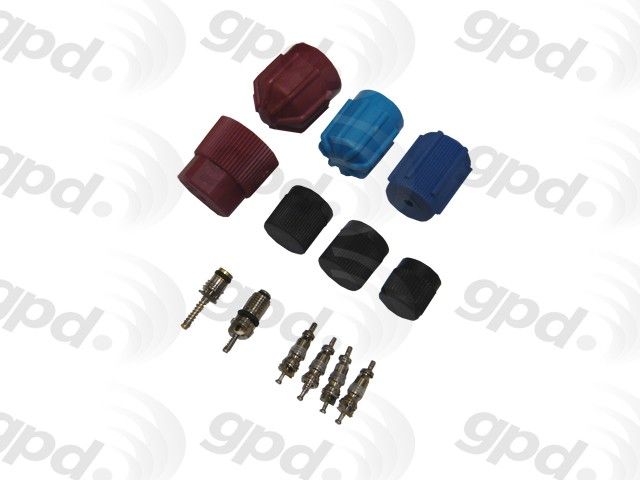
Kit includes an assortment of Schrader-type valve cores and service port caps for high-side and low-side A/C lines.
We Have This Part in Stock

The information in this article is provided for general reference and educational purposes only. Vehicle specifications, procedures, and part compatibility can vary by production date, trim level, and region. Always consult your vehicle's factory service manual and verify part numbers before purchasing or performing repairs. Safety-critical components such as airbags, seat belts, and braking systems should be installed by a qualified professional.
- GMC Transit Bus: