

A Guide to the 1981-1985 Volkswagen Beetle Brake Light Switch
Keep your classic Beetle safe and legal by understanding the signs of a failing brake light switch and how to choose the right replacement.
- The switch is hydraulic and located on the master cylinder, not the brake pedal.
- Failure is a critical safety issue; do not drive with a faulty switch.
- Before buying, verify if your car needs a 2-prong or 3-prong switch.
- Choosing a premium aftermarket brand like Febi or Meyle is recommended for reliability.
Understanding Your Beetle's Brake Light Switch
For the 1981-1985 Volkswagen Beetle, which were primarily manufactured in Mexico for the North American market, the brake light system uses a hydraulic switch. This is a critical detail. Unlike mechanical switches that are triggered by the movement of the brake pedal, your Beetle's switch responds to the actual pressure in the brake lines. This design is simple and effective but the switches are known to wear out over time. When they fail, it's a major safety issue. It's also a common point of failure that can cause brake fluid leaks.
Symptoms of a Failing Brake Light Switch
A bad brake light switch can show several signs. The most obvious is your brake lights not turning on when you press the pedal. Conversely, the switch can fail internally and get stuck in the 'on' position, leaving your brake lights permanently illuminated. This will drain your battery and confuse other drivers. Another symptom can be brake fluid leaking from the switch itself, which is located on the master cylinder. Because these switches are a known weak point, it's good to inspect them whenever you are working under the car.
Immediate Safety Hazard
Driving without functioning brake lights is extremely dangerous and illegal. If you suspect your brake light switch has failed, you should not drive the vehicle until it is repaired. Other drivers will have no warning that you are slowing down or stopping.
Choosing the Right Aftermarket Switch
Since new OEM parts for this model are virtually nonexistent, you will be choosing from aftermarket brands. Quality can vary significantly, so it's important to choose wisely.
- Premium German Brands (Febi, Meyle): Brands like Febi Bilstein and Meyle are well-regarded in the VW community for producing parts that often meet or exceed original specifications. They are considered a top-tier choice for reliability and are worth the slightly higher cost for a critical safety part.
- Standard Aftermarket Brands (EMPI, etc.): Many other brands produce these switches, often at a lower price. While they will work, their internal components may be of lesser quality, potentially leading to a shorter lifespan. Given the low cost of even premium switches, investing in a better brand is a smart choice.
Pro Tip: Before ordering, check if your Beetle uses a 2-prong or 3-prong switch. The 3-prong switch is for models with a brake warning light on the dashboard. Using the wrong one will cause issues. Also, consider buying a new rubber boot to protect the switch and its electrical connections from moisture and dirt.
Installation Notes
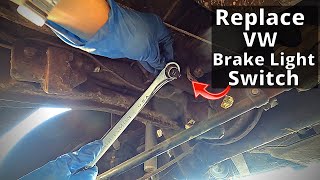
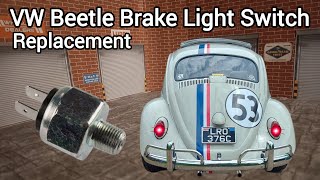
Replacing the switch is a straightforward job for a DIY mechanic. It is located on the master cylinder, which is accessible from under the front of the car. 🎬 Watch a step-by-step guide on replacing your Beetle's brake light switch. You will need a wrench (often 22mm or 24mm, but sizes can vary between old and new parts) and a rag to catch any spilled brake fluid. The process involves unplugging the wires, unscrewing the old switch, and quickly screwing in the new one to minimize fluid loss. After replacement, you should check the brake fluid level and bleed the brakes if you feel the pedal is spongy, though often it is not necessary if the swap is done quickly.
| Part/Service | Estimated Cost |
|---|---|
| New Aftermarket Switch (Standard) | $5 - $15 |
| New Aftermarket Switch (Premium German) | $15 - $30 |
| Shop Labor for Installation | $50 - $100 |
Frequently Asked Questions
Why are my brake lights stuck on?
This is a common symptom of a failed brake light switch that is stuck in the closed or 'on' position. It's sending continuous power to the lights. This will drain your battery and requires immediate replacement of the switch.
Is it hard to replace the brake light switch on my Beetle?
No, it is considered an easy DIY task. You'll need to get under the car to access the master cylinder, but the replacement itself involves unplugging the connector and unscrewing the switch. Having the new switch ready to install quickly will minimize brake fluid loss.
Do I need to bleed my brakes after replacing the switch?
Often, if you are quick with the replacement, you will lose very little fluid and bleeding is not required. However, if a significant amount of fluid is lost or the brake pedal feels soft or 'spongy' afterward, you must bleed the brakes to remove any air that entered the system. Safety first.
Should I buy a 2-prong or 3-prong switch?
You must check what is currently on your car. A 3-prong switch is used for cars that have a brake system warning light on the dashboard; the third prong operates that light. If your car only has a 2-prong connector, a 3-prong switch will not work correctly.
Helpful Videos
Technical Specifications
OEM Part Numbers: 113945515H 113945515G
Hydraulic pressure activated, 2-prong or 3-prong electrical connector, threads into master cylinder.

The information in this article is provided for general reference and educational purposes only. Vehicle specifications, procedures, and part compatibility can vary by production date, trim level, and region. Always consult your vehicle's factory service manual and verify part numbers before purchasing or performing repairs. Safety-critical components such as airbags, seat belts, and braking systems should be installed by a qualified professional.
- Volkswagen Beetle: