

Peterbilt 348 Radiator Coolant Hose Guide (1981-1985)
Keep your classic Peterbilt 348 running cool and avoid costly engine damage by understanding your radiator hoses.
- A failing radiator hose can cause catastrophic engine failure; do not drive if you see a leak or the engine is overheating.
- For this vintage truck, high-quality aftermarket brands like Gates and Dayco are the standard for replacement.
- Inspect hoses regularly for cracks, bulges, or soft spots, especially during routine maintenance or oil changes.
- Always replace hoses in pairs (upper and lower) and use new hose clamps to ensure a proper seal.
Symptoms of a Failing Radiator Hose
The cooling system on a heavy-duty truck is under constant stress. Spotting a bad hose during your pre-trip inspection is key to avoiding a breakdown and a much bigger repair bill. Look out for these warning signs:
- Coolant Leaks: This is the most obvious sign. You may see puddles of green, yellow, or pink fluid under the front of your truck. Also, look for white or colored crusty residue around the hose clamps, which is dried coolant.
- Visible Hose Damage: Squeeze the hoses when the engine is cool. A hose that feels overly soft, spongy, or swollen is breaking down from the inside and could burst. Likewise, a hose that is hard, brittle, or has visible cracks needs immediate replacement.
- Engine Overheating: If your temperature gauge is climbing, a failing hose could be the cause. The hose might be leaking coolant or it could have collapsed internally, blocking the flow of coolant.
- "Cold Water Leaks": Some leaks only appear when the engine is cold. The metal fittings shrink slightly in the cold, causing a small drip that may stop once the engine heats up and the parts expand. Don't ignore these drips.
Do Not Drive with a Bad Hose
A leaking radiator hose can burst without warning, leading to a rapid loss of all your coolant. This can cause catastrophic engine damage, like warped cylinder heads or a seized engine, in a matter of minutes. If you suspect a hose is failing, do not drive the truck.
Choosing an Aftermarket Radiator Hose
Aftermarket vs. OEM Hoses
For a vintage truck like the 1981-1985 Peterbilt 348, finding a new Original Equipment Manufacturer (OEM) radiator hose from Peterbilt is nearly impossible. The market for these parts is now served by aftermarket manufacturers. Used OEM hoses are not recommended, as rubber degrades with age regardless of use. The good news is that reputable aftermarket brands produce high-quality hoses that meet or exceed the original specifications.
Brand Comparison: Dayco vs. Gates
For your Peterbilt 348, you'll likely find hoses from Gates and Dayco. Both are well-known American brands with a long history in heavy-duty parts. Based on feedback from mechanics and truck owners, here's an honest breakdown:
- Gates: Generally considered the top-tier aftermarket brand. Gates is known for its high-quality materials that resist electrochemical degradation, which is a leading cause of hose failure from the inside out. While material quality is excellent, the biggest challenge with any aftermarket hose can be getting a perfect fit. Always compare the new Gates hose with your old one to check bends and lengths before installation.
- Dayco: A solid, reliable alternative to Gates. Some mechanics note that Dayco hoses can sometimes feel thicker than other brands and, in certain applications, may offer a better fit than the Gates equivalent. However, others have reported issues with Dayco's parts catalog not always being accurate, leading to fitment problems.
Pro Tip: Regardless of which brand you choose, always replace your hose clamps at the same time you replace the hoses. Spring clamps lose tension over time, and screw-type clamps can wear out. New clamps ensure a tight, leak-free seal.
Radiator Hose Replacement Cost for Your Peterbilt 348
The cost to replace a radiator hose on your 348 will depend on the part cost and whether you do the work yourself. The job is straightforward for a DIY mechanic, but it is messy. A shop will charge for labor and the cost of new coolant.
| Part/Service | Estimated Cost |
|---|---|
| New Aftermarket Hose (Dayco, Gates) | $62.27 - $101.28 |
| New OEM Hose | Not Generally Available |
| Shop Labor | $150 - $300 |
| Coolant (if replacing) | $40 - $80 |
Frequently Asked Questions
How often should I replace my radiator hoses?
As a preventative measure, it's a good practice to replace radiator hoses every 4 to 5 years, or whenever you are replacing other cooling system components like the radiator or water pump. For a working truck, inspecting them regularly is more important than sticking to a strict schedule.
Should I replace both the upper and lower hoses at the same time?
Yes. If one hose has failed due to age, the other is likely not far behind. Replacing them in pairs is cheap insurance against being stranded twice.
Can I use a universal flexible hose instead of a molded one?
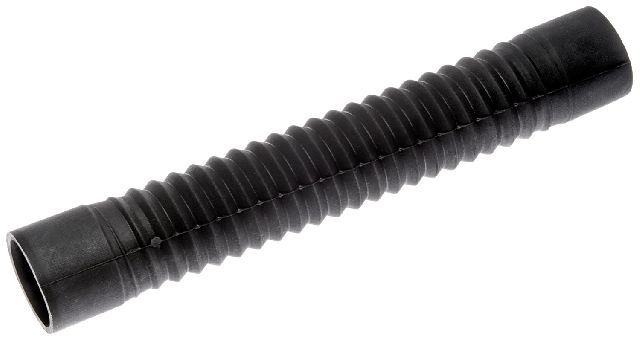
While flexible hoses (like the Gates Vulco-Flex) exist and can work, a pre-molded hose designed for your truck is always the better option. Molded hoses are shaped to avoid kinks and rubbing against other engine components, ensuring proper coolant flow and a longer service life.
Are there any recalls for the radiator hoses on my Peterbilt 348?
No. Searches of the National Highway Traffic Safety Administration (NHTSA) database show no recalls or service bulletins related to radiator coolant hoses for the 1981-1985 Peterbilt 348.
Technical Specifications
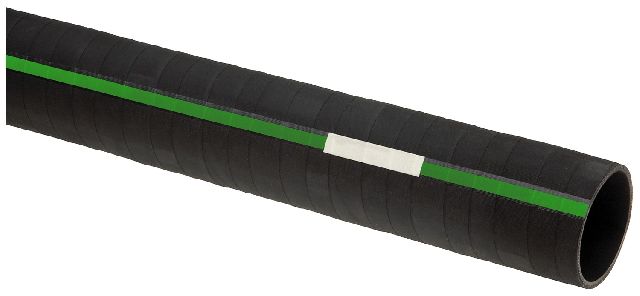
Hoses for the Peterbilt 348 are typically straight or simple curves, often sold by length and inner diameter (e.g., 2.5 inches). Common aftermarket parts may be listed under Gates 24240 or Dayco 77175. Always measure your old hose and check diameters before ordering.
We Have This Part in Stock

The information in this article is provided for general reference and educational purposes only. Vehicle specifications, procedures, and part compatibility can vary by production date, trim level, and region. Always consult your vehicle's factory service manual and verify part numbers before purchasing or performing repairs. Safety-critical components such as airbags, seat belts, and braking systems should be installed by a qualified professional.
- Peterbilt 348: