

Mack RWS Radiator Coolant Hose Guide (1981-1985)
Keep your classic Mack running cool and avoid a costly breakdown with the right radiator hoses.
- Inspect hoses regularly for cracks, swelling, and leaks to prevent a roadside breakdown.
- Choose a quality aftermarket molded hose from a brand like Gates or Dayco; do not use a universal hose.
- If one radiator hose has failed, it is best practice to replace all of them, including the clamps.
- No specific recalls or TSBs for radiator hoses exist for this truck, so proactive maintenance is key.
Signs of a Failing Radiator Hose
Your Mack RWS is a workhorse, but its rubber parts wear out. Radiator hoses break down over time from heat and use. Regular inspections during your pre-trip checks can help you catch problems before a hose bursts on the road. A healthy hose feels firm but flexible when the engine is cold; a bad hose might feel spongy, soft, or rock-hard and brittle.
- Visible Damage: Look for cracks, splits, or frayed areas on the hose surface. Oil contamination can also cause the rubber to swell and degrade.
- Bulging or Swelling: If a hose looks swollen or ballooned, its internal structure has failed. This is a critical warning sign that it could burst at any moment.
- Coolant Leaks: Puddles of green, yellow, or orange fluid under your truck are a clear sign of a leak. You might also see crusty residue around the hose clamps or smell a sweet, syrupy odor from the engine bay. Some owners report leaks appearing at clamps after the truck cools down.
- Engine Overheating: If your temperature gauge is climbing, a failing hose could be the cause. A hose can leak enough coolant to cause overheating, or it can even collapse internally, blocking flow.
Choosing the Right Aftermarket Hose
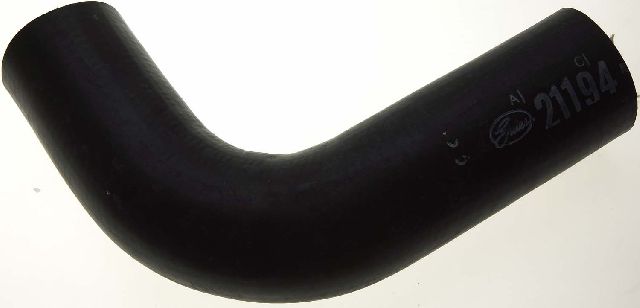
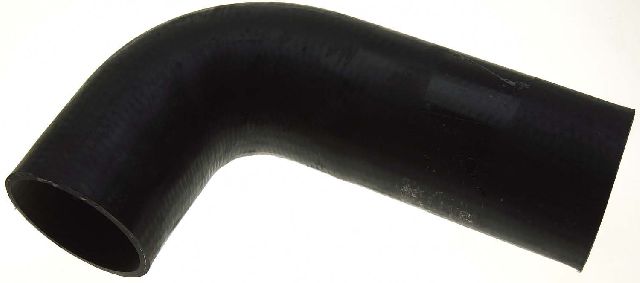
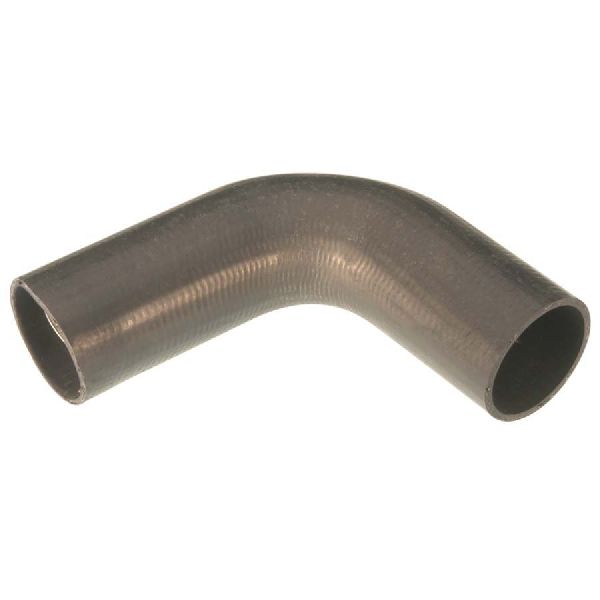
For a vehicle from the early 1980s, original OEM hoses are likely unavailable. Thankfully, reputable aftermarket brands provide quality replacements. The key is to choose a direct-fit, molded hose designed specifically for your Mack RWS. Do not use a universal or flexible hose, as it can kink and restrict coolant flow, leading to overheating.
Aftermarket Brand Tiers
| Brand | General Reputation |
|---|---|
| Gates | Often considered a top-tier aftermarket brand by mechanics and truck owners. Generally praised for good fitment and quality materials. |
| Dayco | A solid and reliable choice, widely available. Some users note their hoses can be slightly thicker than competitors. Like Gates, it is a well-regarded brand in the industry. |
| Continental | Another quality manufacturer of belts and hoses, considered a reliable choice for heavy-duty applications. |
Pro Tip: When one radiator hose fails, the others have endured the same heat and age. It is highly recommended to replace the upper and lower radiator hoses at the same time. It's a small extra cost that prevents you from having to do the same job again in a few months.
Known Issues, Recalls, and Bulletins
Searches of the National Highway Traffic Safety Administration (NHTSA) database and other technical resources show no specific recalls or Technical Service Bulletins (TSBs) for radiator coolant hoses on the 1981-1985 Mack RWS. The cooling system issues found in official bulletins are for much newer Mack models and different parts.
Frequently Asked Questions (FAQ)
Should I replace the hose clamps too?
Yes, absolutely. Old hose clamps can lose their tension, fail to seal properly on a new hose, or become seized and difficult to work with. Using new, high-quality clamps is a cheap and critical part of ensuring a leak-free repair.
My new hose is still leaking at the clamp. What's wrong?
First, double-check that the clamp is tight. If it is, inspect the metal pipe (the radiator inlet/outlet or engine connection). Over time, this metal can corrode or get pitted, preventing the new hose from sealing perfectly. One Mack owner discovered a leak was actually from a small hole in the metal pipe the hose connected to, not the hose itself.
How often should I replace my radiator hoses?
There is no fixed interval, but hoses should be inspected at every service. As a general rule, if the hoses are original or their age is unknown on your 1981-1985 Mack, proactive replacement is wise. Many truckers suggest replacing them all after one fails, as they tend to fail around the same time.
Can I do this job myself?
For a mechanic with basic tools and skills, this is a manageable job. The main challenges are the scale of a Class 8 truck and handling a large volume of coolant (often 10+ gallons). You will need to drain the coolant, remove the clamps and old hoses, install the new parts, and then properly refill and bleed the system of air.
Technical Specifications
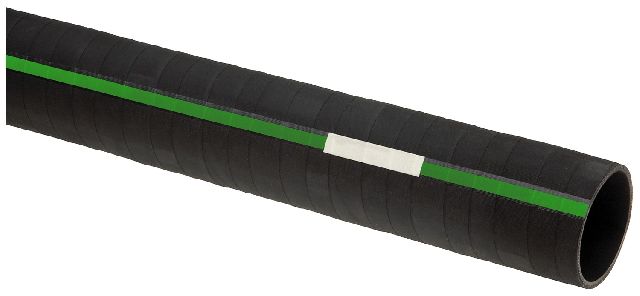
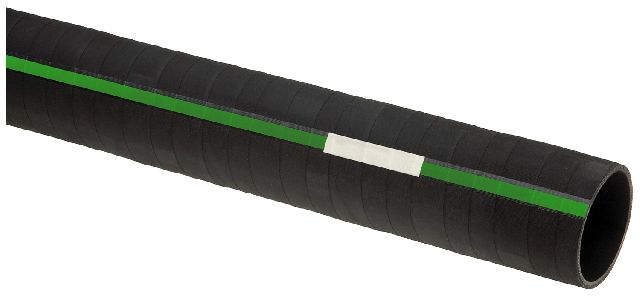
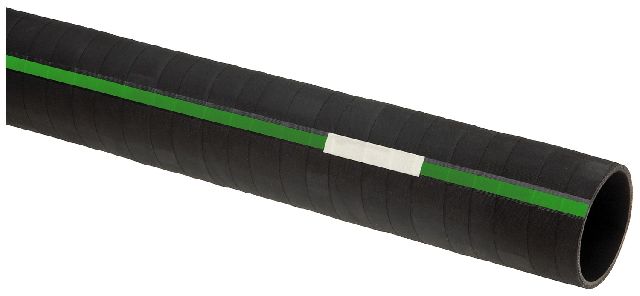
Hoses must be molded, direct-fit replacements. Materials are typically EPDM rubber designed to resist heat, oil, and ozone. Dimensions (diameter and length) must match the specific upper or lower hose position for the Mack RWS.
We Have This Part in Stock

The information in this article is provided for general reference and educational purposes only. Vehicle specifications, procedures, and part compatibility can vary by production date, trim level, and region. Always consult your vehicle's factory service manual and verify part numbers before purchasing or performing repairs. Safety-critical components such as airbags, seat belts, and braking systems should be installed by a qualified professional.
- Mack RWS: