

Essential Guide to the 1981-1985 Mack RWL Radiator Coolant Hose
Keep your Mack RWL's engine running cool and prevent costly roadside breakdowns by understanding its radiator hoses.
- A leaking, bulging, or cracked radiator hose can cause catastrophic engine failure; replace it immediately.
- For a 1981-1985 Mack RWL, quality aftermarket hoses from brands like Gates, Continental, or Dayco are the best option as OEM parts are unavailable.
- Always replace radiator hoses as a set (upper and lower) and install new hose clamps at the same time for a reliable repair.
- Regularly inspect your hoses during pre-trip checks to catch problems before they leave you stranded on the side of the road.
Signs Your Mack RWL Radiator Hose is Failing
A bad radiator hose on a heavy-duty truck is a ticking time bomb. Don't wait for a complete blowout on the road. Look for these warning signs during your regular pre-trip inspections.
- Coolant Leaks: Puddles of sweet-smelling green, yellow, or pink fluid under your engine are a dead giveaway. You might also see crusty residue around the hose connections or the clamps.
- Visible Hose Damage: Squeeze the hoses when the engine is cold. A healthy hose is firm yet flexible. A failing hose may feel soft and spongy, or hard and brittle. Look for cracks, splits, and especially any bulging or swelling, which indicates the hose's internal structure has failed and it could burst at any moment.
- Engine Overheating: If your temperature gauge is climbing into the red, a leaking, blocked, or collapsed radiator hose could be restricting coolant flow. A collapsed hose looks flattened or sucked inward and is a sign of structural weakness.
- Low Coolant Level: If you find yourself constantly adding coolant to the reservoir, you have a leak. The radiator hoses and their connections are the most common culprits.
Don't Ignore the Signs
A complete hose failure will leave you stranded. The cost of a tow, emergency repairs, and lost time will be far greater than proactively replacing a worn-out hose.
Choosing the Right Aftermarket Hose
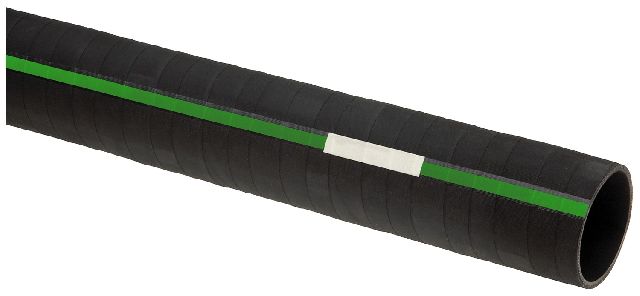
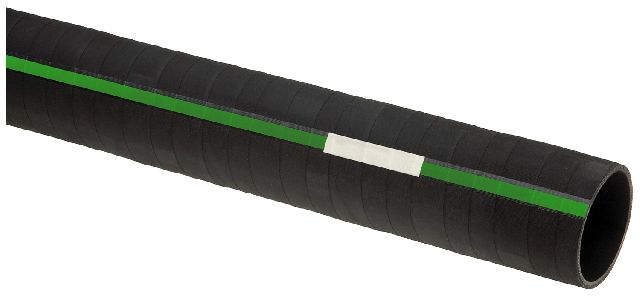
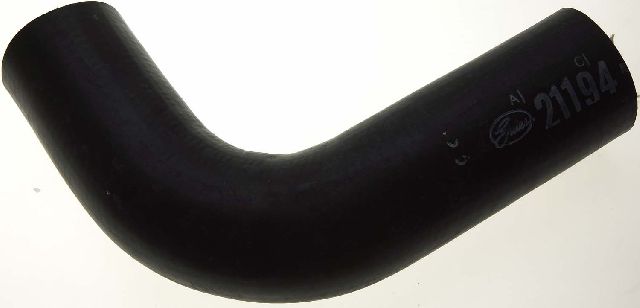
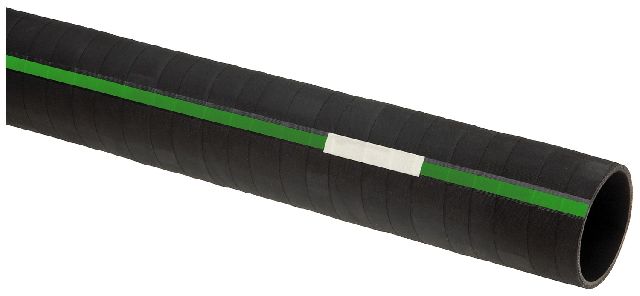
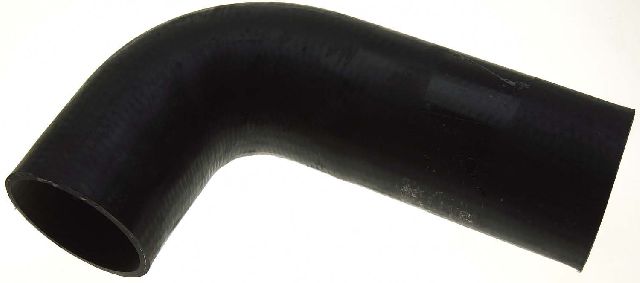
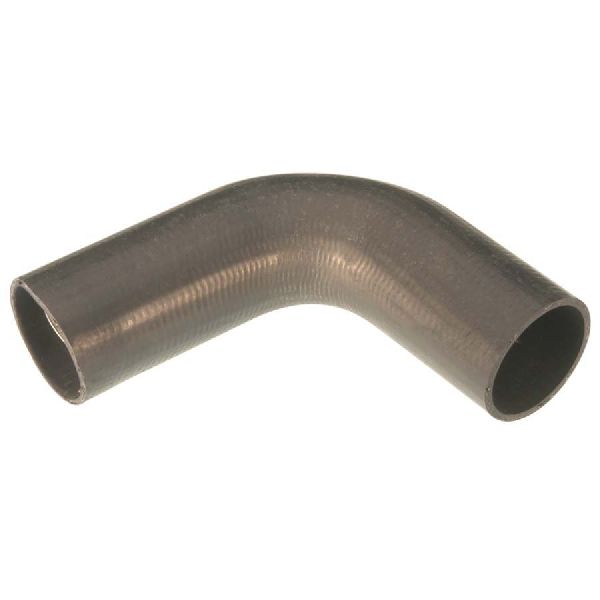
For a vintage truck like the 1981-1985 Mack RWL, finding original equipment (OEM) hoses is nearly impossible. Fortunately, top-tier aftermarket brands provide high-quality, reliable replacements that often meet or exceed the original specifications from the 1980s. The key is to choose a direct-fit, molded hose rather than a universal flexible one, which can kink and restrict flow.
- Premium Brands (Gates, Continental): Gates and Continental are widely regarded as top-quality brands for heavy-duty applications. Gates, in particular, is often praised for its excellent fitment and durability. These brands are a solid choice for reliability and long life.
- Standard Brands (Dayco): Dayco is a well-known brand that offers a good balance of quality and value. While some users have noted occasional fitment issues compared to Gates, they are generally considered a dependable option.
Pro Tip: When you replace one radiator hose, it's best practice to replace both the upper and lower hoses at the same time. They have both endured the same heat and age, so if one has failed, the other is likely near the end of its service life. Always use new hose clamps for a secure, leak-free seal.
Known Issues for This Generation
Searches for specific recalls or Technical Service Bulletins (TSBs) for radiator hoses on the 1981-1985 Mack RWL did not yield any results, which is common for a vehicle of this age. However, forum discussions with other Mack truck owners highlight common failure points, such as leaks developing at the clamps due to hose cracking or issues with the metal pipes the hoses connect to. Always inspect the hose connection points for corrosion or damage when replacing a hose.
Cost of Replacement
| Part or Service | Estimated Cost |
|---|---|
| New Aftermarket Radiator Hose | $33.56 - $124.47 |
| Shop Labor | $175 - $350 |
| Coolant (approx. 10+ gallons) | $100 - $200 |
Frequently Asked Questions (FAQ)
How often should I replace my Mack's radiator hoses?
As a general rule for a heavy-duty truck, it's wise to proactively replace your radiator hoses every 4-5 years or around 100,000 miles to prevent unexpected failures. If a hose looks swollen, feels spongy, or is cracked, replace it immediately regardless of age.
Should I replace the hose clamps too?
Yes, absolutely. It is highly recommended to replace the old clamps when you install a new hose. Spring-style clamps lose tension over time, and worm-gear clamps can corrode or damage the new hose. New clamps are inexpensive and ensure a secure seal.
What's the difference between the upper and lower radiator hose?
The upper radiator hose carries the hottest coolant from the top of the engine to the radiator. The lower radiator hose carries the cooled fluid from the bottom of the radiator back to the engine's water pump. The lower hose often has a spring inside to prevent it from collapsing under the water pump's suction.
What kind of coolant should I use in my 1981-1985 Mack RWL?
Always use a heavy-duty diesel engine coolant that meets ASTM D6210 specifications. Do not use standard automotive antifreeze, as it contains high levels of silicates that can clog the radiator and damage your engine. Check for a decal on the coolant expansion tank or consult a service manual for the specific type recommended for your engine.
Technical Specifications
Hoses for this application are typically made from pre-molded EPDM (Ethylene Propylene Diene Monomer) rubber, designed to resist high temperatures, coolant additives, and abrasion. They are shaped specifically to fit the engine bay without kinking.
We Have This Part in Stock

The information in this article is provided for general reference and educational purposes only. Vehicle specifications, procedures, and part compatibility can vary by production date, trim level, and region. Always consult your vehicle's factory service manual and verify part numbers before purchasing or performing repairs. Safety-critical components such as airbags, seat belts, and braking systems should be installed by a qualified professional.
- Mack RWL: