

Radiator Coolant Hose Guide for the 1981-1985 Autocar C / DC
Keep your classic Autocar's heavy-duty engine cool by knowing when and how to replace your radiator hoses.
- Hoses on this vintage truck fail from age, not mileage; inspect them at every oil change for cracks, swelling, or soft spots.
- OEM parts are likely unavailable; choose a quality aftermarket brand like Gates or Continental.
- Always replace radiator hoses in pairs (upper and lower) and use new hose clamps for a secure seal.
- Do not drive if a hose is leaking or looks damaged, as rapid overheating can cause catastrophic engine failure.
Why Radiator Hoses Fail on a 1981-1985 Autocar C / DC
For a vintage commercial truck, radiator hoses don't fail because of mileage—they fail because of age. After decades of exposure to heat, pressure, and the elements, the rubber breaks down. It's a matter of when, not if, they will need replacement. Regular inspection is the key to preventing a sudden failure on the road that could lead to catastrophic engine damage.
Symptoms of a Failing Radiator Hose
Catching a bad hose early can save you from a costly breakdown. Pop the hood and look for these common warning signs:
- Coolant Leaks: Bright green, orange, or yellow fluid puddles under the front of your truck are a dead giveaway. You may also see crusty, colored residue around the hose connections where coolant has been slowly seeping and drying.
- Visible Damage: Check the hoses for cracks, splits, or deep abrasions. A hose that looks swollen, is bulging, or feels mushy to the touch is weak and could burst at any time.
- Hard or Brittle Hoses: When the engine is cold, give the hoses a squeeze. If they feel rock-hard or make a crunching sound, the rubber has lost its flexibility and needs to be replaced immediately.
- Engine Overheating: If your temperature gauge suddenly spikes, a burst or collapsed radiator hose could be the cause. A collapsed hose acts like a clog, stopping coolant flow, while a burst hose leads to rapid fluid loss.
Choosing the Right Aftermarket Hose
Original Equipment Manufacturer (OEM) parts for a 1980s Autocar are generally no longer available. The good news is that high-quality aftermarket brands offer reliable replacements.
Available Aftermarket Brands
| Brand | Quality Assessment |
|---|---|
| Continental | A well-respected brand in the automotive and heavy-truck industry. Often an OEM supplier for many manufacturers, their aftermarket hoses are known for quality materials and proper fit. A solid choice for reliability. |
| Gates | Another top-tier brand with a strong reputation in belts and hoses for both consumer and commercial vehicles. Gates hoses are widely available and trusted by mechanics. Forum discussions sometimes debate fitment, but their overall quality is considered very good. |
Pro Tip: Both Continental and Gates are excellent choices. The best option often comes down to availability and ensuring the part number matches the specific engine configuration in your Autocar C / DC. Always replace hose clamps when you replace the hoses to ensure a tight, leak-free seal.
Known Issues, Recalls, or TSBs
After extensive research, no specific recalls, Technical Service Bulletins (TSBs), or widespread factory defects concerning the radiator coolant hoses have been found for the 1981-1985 Autocar C / DC. Failures on these trucks are due to the normal aging process of rubber components.
Estimated Replacement Costs
The cost to replace radiator hoses can vary based on shop labor rates. The parts themselves are affordable, but labor can add up, especially if the coolant needs a full flush.
Cost Breakdown
| Item | Estimated Cost |
|---|---|
| New Aftermarket Hoses (Set) | $94.72 - $124.47 |
| Shop Labor | $150 - $300 |
| Total Estimated Cost | $245 - $425 |
Frequently Asked Questions (FAQ)
Can I drive my Autocar with a leaking radiator hose?
No. A small leak can become a full rupture without warning, causing the engine to lose coolant rapidly and overheat. This can lead to severe and expensive engine damage, such as a warped cylinder head. It is not safe to drive.
Should I replace just the one bad hose?
It is highly recommended to replace radiator hoses as a set. If the upper hose has failed due to age, the lower hose is made of the same material and has endured the same conditions. It is likely near failure as well. Replacing both at the same time is smart preventative maintenance.
Do I need special tools for the job?
Basic hand tools like a screwdriver or socket set for the clamps, a drain pan for the coolant, and pliers for stubborn hoses are usually all that's needed. Access on a heavy-duty truck can sometimes be tight, but it is a feasible DIY job for someone with mechanical experience.
Does the lower hose need an internal spring?
Some lower radiator hoses on older vehicles contain a steel spring to prevent them from collapsing under the water pump's suction. When buying a replacement, check if the original had a spring. If so, ensure the new hose either includes one or is constructed with modern, collapse-resistant materials.
Technical Specifications
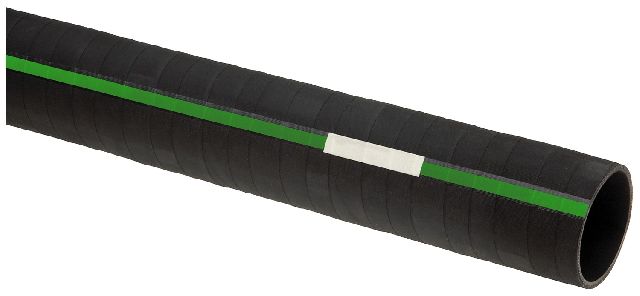
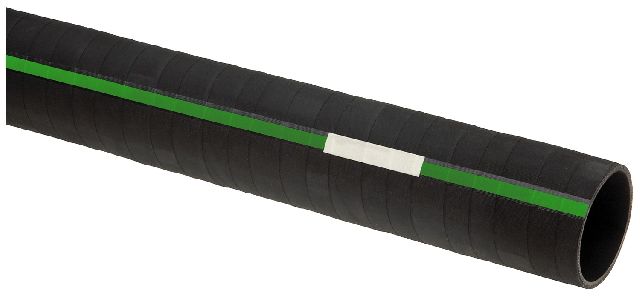
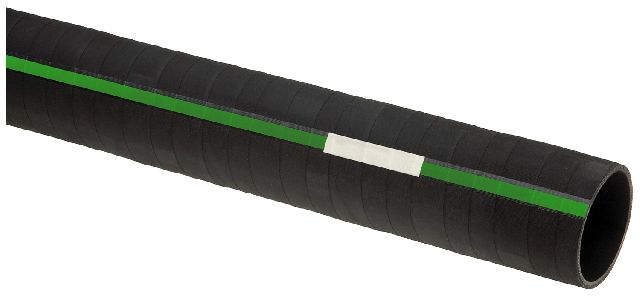
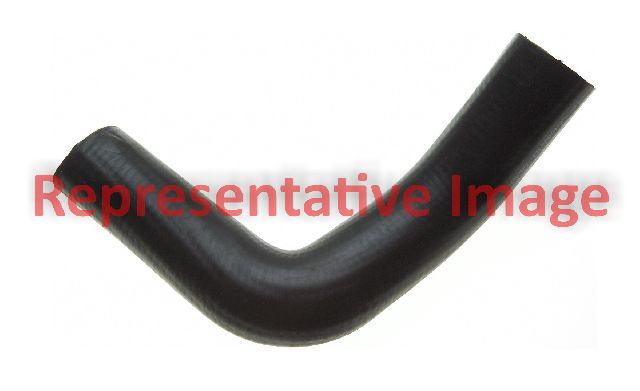
OEM part numbers for this model are largely discontinued. It is critical to order based on your truck's specific year, model, and engine configuration. Hoses are pre-molded to fit.
We Have This Part in Stock

The information in this article is provided for general reference and educational purposes only. Vehicle specifications, procedures, and part compatibility can vary by production date, trim level, and region. Always consult your vehicle's factory service manual and verify part numbers before purchasing or performing repairs. Safety-critical components such as airbags, seat belts, and braking systems should be installed by a qualified professional.
- Autocar C / DC: