

Accessory Drive Belt Guide for the 1981-1984 Peterbilt 348
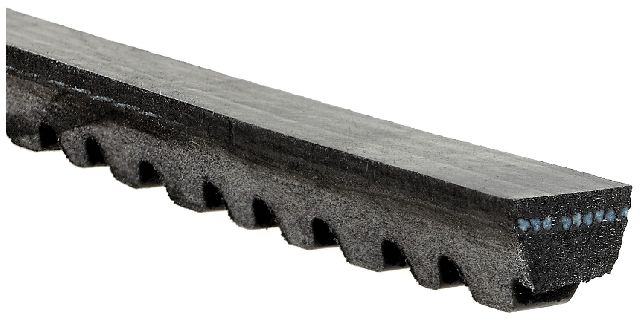
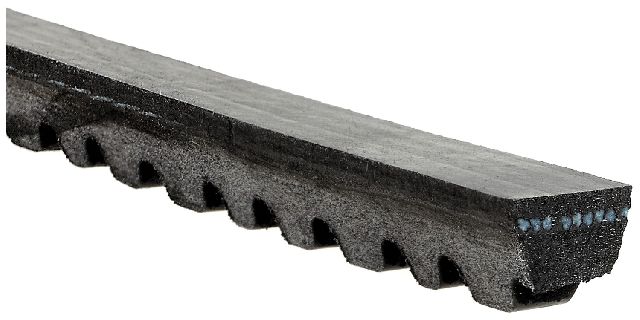
Choosing the correct accessory drive belt is critical, and it all depends on the specific engine in your truck.
- You must identify your truck's specific engine (e.g., Cummins, Caterpillar) to get the correct belts.
- Choose a premium aftermarket brand like Gates or Continental for heavy-duty reliability.
- Always inspect pulleys and tensioners when replacing belts and replace them if they show signs of wear or noise.
- Never drive a truck with a broken belt, as the engine will overheat and suffer catastrophic damage.
Critical First Step: Identify Your Engine
Before you buy a new accessory drive belt, you must know which engine is in your 1981-1984 Peterbilt 348. During this period, Peterbilt offered several engine options from manufacturers like Caterpillar and Cummins. The length, width, and type of belt are different for each engine and accessory configuration (e.g., with or without A/C). There is no 'one-size-fits-all' belt for these trucks. The best way to ensure you get the right part is to match the part number off the old belt or take the old belt to a parts store for a direct comparison.
Symptoms of a Failing Accessory Drive Belt
A worn belt will give you warning signs before it snaps. Ignoring them can leave you stranded. Look out for these common symptoms:
- Squealing Noises: A loud, high-pitched squeal when you start the engine, accelerate, or turn the steering wheel is the most common sign of a loose or worn belt. This noise is caused by the belt slipping on the pulleys.
- Visible Wear and Tear: Inspect your belts regularly. Look for cracks, fraying, splitting, or pieces of rubber missing. Another sign is 'glazing,' where the sides of the belt look shiny and feel hard, which reduces grip and causes slipping.
- Power Steering or Charging Issues: If your steering becomes heavy or your battery light flickers, it could mean the belt driving the power steering pump or alternator is slipping.
- Engine Overheating: If the belt that drives the water pump fails, the engine will overheat very quickly. This is a critical failure that can cause severe engine damage.
Warning: Do Not Drive with a Broken Belt
If an accessory drive belt breaks, do not continue to drive the truck. The water pump will stop working, leading to rapid engine overheating and catastrophic failure. You will also lose power steering and the alternator will no longer charge the battery.
Choosing the Right Aftermarket Belt
For a vintage truck like the 348, OEM belts are likely discontinued. The aftermarket is your primary source, and quality is key for a heavy-duty application. Here’s a breakdown of common brands:
- Tier 1 (Premium): Gates. Gates is a highly respected brand in the heavy-duty industry and is often an original equipment manufacturer for many truck brands. Mechanics widely trust their belts for durability and reliability. Many users report long life and no issues with Gates products.
- Tier 1 (Premium): Continental. Continental is another top-tier OEM supplier known for quality. While some users in light-duty forums have had mixed experiences, their heavy-duty belts are generally considered reliable.
- Tier 2 (Standard): Dayco. Dayco belts are widely available and can be a good value. However, they receive mixed reviews, with some mechanics noting they can be stiffer or wear out more quickly than premium brands. For a work truck, investing in a Tier 1 brand is often worth the small extra cost for added peace of mind.
Pro Tip: When replacing the belts, inspect the pulleys and tensioner. Spin each pulley by hand (with the engine off). If you feel wobbling or hear grinding noises, the pulley bearing is worn and should be replaced. On systems with a spring-loaded tensioner, it's good practice to replace it with the belt, as a weak tensioner is a common cause of belt failure.
Frequently Asked Questions (FAQ)
How many belts does my Peterbilt 348 have?
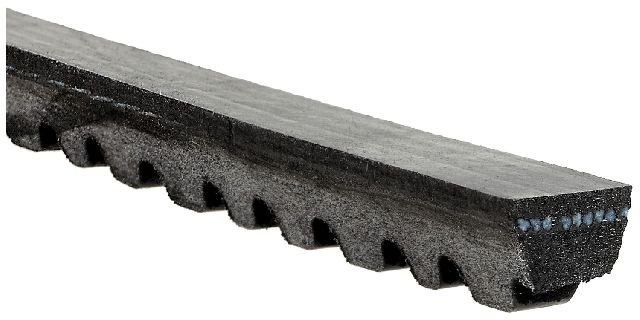
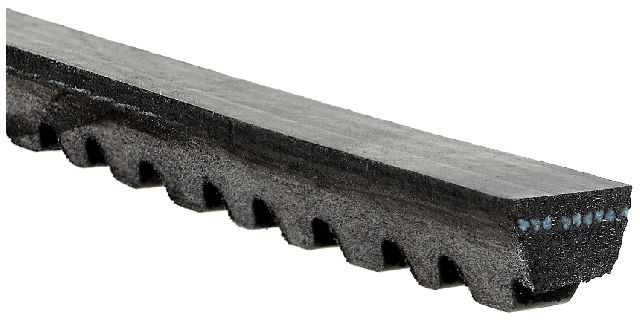
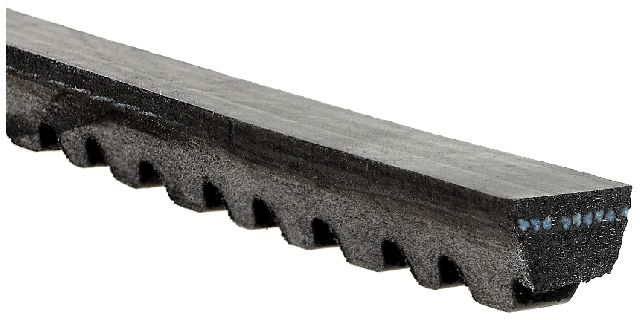
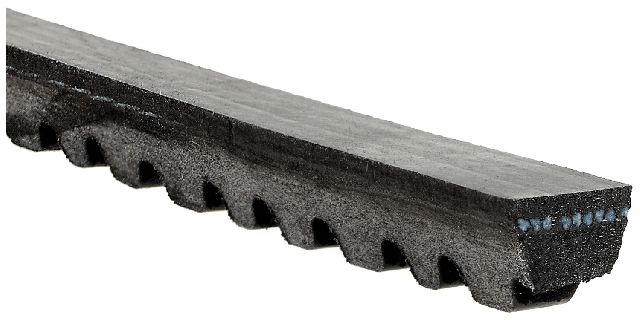
Trucks from this era typically use multiple individual V-belts rather than a single serpentine belt. One belt might run the alternator and water pump, while another runs the power steering pump. The exact number depends on your engine and accessories. You must inspect your specific setup.
Can I replace the accessory drive belts myself?
Yes, this is a manageable job for someone with basic mechanical skills. It involves loosening the tension on the pulleys (usually by adjusting the alternator or a tensioner pulley), removing the old belts, and installing the new ones. Always take a clear picture or draw a diagram of the belt routing before you start.
How often should I replace the drive belts?
There is no strict interval for a truck of this age. A good practice is to inspect the belts at every oil change for signs of wear like cracks, fraying, or glazing. Proactively replacing them every few years is cheap insurance against being stranded by a broken belt.
Should I use a 'belt dressing' spray to stop squealing?
No. Belt dressing is a temporary fix that can mask the root problem. Worse, it can attract dirt and cause the belt to degrade and slip more over time. The proper solution for a squealing belt is to diagnose the cause, which is usually improper tension or a worn-out belt.
Technical Specifications
Trucks from this era typically use multiple V-belts. The exact length, width, and quantity of belts are entirely dependent on the specific engine (e.g., Caterpillar, Cummins) and the accessories installed (e.g., with or without A/C).
We Have This Part in Stock

The information in this article is provided for general reference and educational purposes only. Vehicle specifications, procedures, and part compatibility can vary by production date, trim level, and region. Always consult your vehicle's factory service manual and verify part numbers before purchasing or performing repairs. Safety-critical components such as airbags, seat belts, and braking systems should be installed by a qualified professional.
- Peterbilt 348: