

Radiator Coolant Hose Guide for 1981-1984 Mack WS Trucks
Keep your Mack WS running cool and avoid a breakdown by knowing when to replace your radiator hoses.
- Inspect hoses regularly for cracks, bulges, and soft spots; a bad hose can feel spongy or hard instead of firm.
- A quality aftermarket hose from a brand like Gates, Continental, or Dayco is the best option, as OEM parts are unavailable.
- If one radiator hose is failing, replace all coolant hoses and clamps at the same time to prevent future issues.
- A leaking or burst hose can cause rapid overheating and catastrophic engine damage; do not delay replacement.
Signs of a Failing Radiator Hose
A bad radiator hose on a heavy-duty truck can stop you in your tracks. Regular inspection during your pre-trip is the best way to catch a problem before it leaves you stranded. Hoses wear out from the inside out, so you can't judge them by their outer appearance alone. When the engine is cold, give the hoses a squeeze. A healthy hose feels firm yet pliable. A failing hose might feel rock-hard, brittle, mushy, or spongy.
Key Warning Signs
- Visible Damage: Look for cracks, splits, or abrasions on the hose's surface. Check for rubbing against other engine parts.
- Bulging or Swelling: A swollen or ballooned section of the hose means the internal reinforcement has failed. This hose is about to burst and needs immediate replacement.
- Coolant Leaks: Puddles of green or orange coolant under your truck are an obvious sign. You may also see crusty residue around hose clamps or smell a sweet, syrupy odor from the engine bay. Leaks can start small, so investigate any drips.
- Engine Overheating: If your temperature gauge starts climbing, a collapsed or leaking hose could be the cause.
Choosing the Right Aftermarket Hose
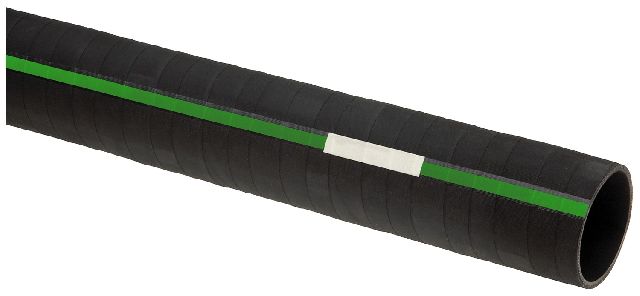
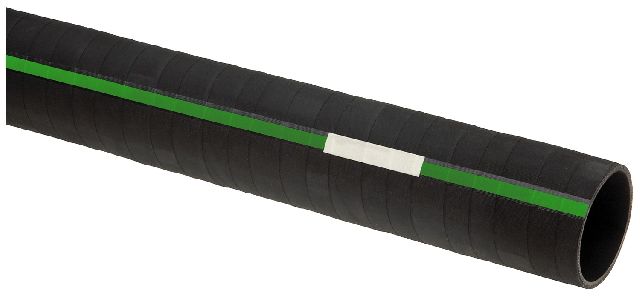
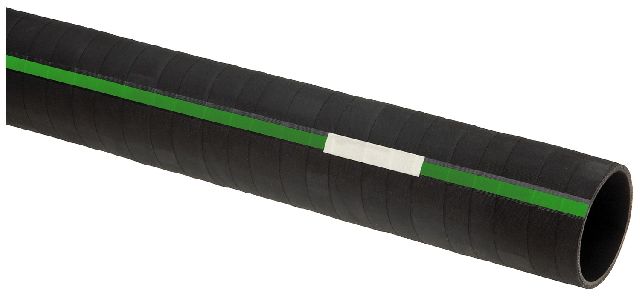
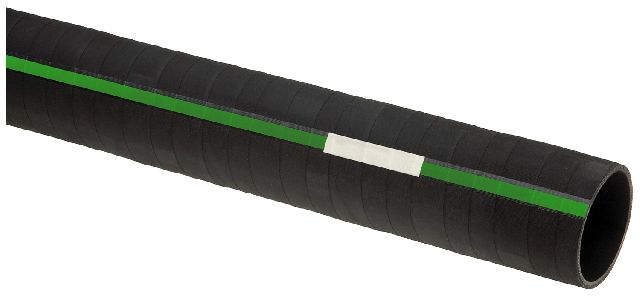
For a truck that's over 40 years old, finding original OEM hoses is nearly impossible. Even if you found a New Old Stock (NOS) OEM hose, its rubber would be decades old. Modern aftermarket hoses from a quality brand are the best choice, as they are made with advanced rubber compounds that often meet or exceed the original specifications. Here’s a breakdown of the available brands.
- Good - Dayco: Dayco is a well-known brand that produces reliable hoses. They are a solid choice for any application and are widely available. While most users find them acceptable, a few have reported occasional fitment issues compared to other brands.
- Better - Continental: Continental is another major manufacturer of quality automotive parts, including hoses. They are considered a reputable and dependable option, on par with or slightly better than Dayco in some mechanics' opinions.
- Best - Gates: Gates is widely considered a top-tier brand for belts and hoses in the heavy-duty world. Mechanics and truck owners often praise them for their durability, precise fit, and quality materials that resist collapse and degradation. Many consider Gates to be the benchmark for aftermarket replacement parts.
Pro Tip: When you replace one hose, it's smart to replace them all. If the upper hose has failed, the lower hose has endured the same heat and age and is likely not far behind. Always use new hose clamps for a secure, leak-free seal.
Estimated Replacement Costs
Replacing radiator hoses is a critical maintenance task that is relatively affordable. The main costs are the parts and the coolant required to refill the system. Labor costs can vary depending on shop rates for heavy-duty trucks.
| Item | Estimated Cost |
|---|---|
| New Aftermarket Hoses (Set) | $30.98 - $124.47 |
| New OEM Hoses | Not available |
| Shop Labor | $150 - $300 |
| Coolant (Full System) | $50 - $100 |
Frequently Asked Questions
How often should I replace my Mack's radiator hoses?
There is no exact mileage, but as a general rule for a heavy-duty truck, you should inspect them at every service and plan to replace them every 4-5 years or so as preventative maintenance. For a vehicle of this age, replacing them as soon as you purchase the truck is a good idea unless you have records of a recent change.
Can I replace the hoses myself?
Yes, this is a feasible DIY job for someone with mechanical experience. The process involves draining the cooling system, accessing the clamps, swapping the hoses, and then refilling and bleeding the system. The main challenges are the large volume of coolant you'll need to capture and handle, and potentially dealing with stubborn clamps in tight spaces.
Are there any recalls for the radiator hoses on my 1981-1984 Mack WS?
No. Searches of the National Highway Traffic Safety Administration (NHTSA) database show no recalls or technical service bulletins (TSBs) for radiator hoses specifically for the 1981-1984 Mack WS. Any failures today are due to the age and wear of the original components.
Should I use worm-gear clamps or spring clamps?
While many original vehicles used spring clamps, high-quality T-bolt or constant-torque worm-gear clamps are often preferred in the aftermarket for heavy-duty applications. They provide strong, consistent clamping force and can be easily tightened. Avoid cheap, low-quality worm-gear clamps, as they can damage the hose or fail to seal properly.
Technical Specifications
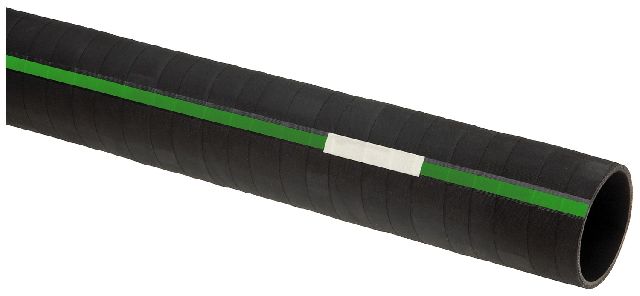
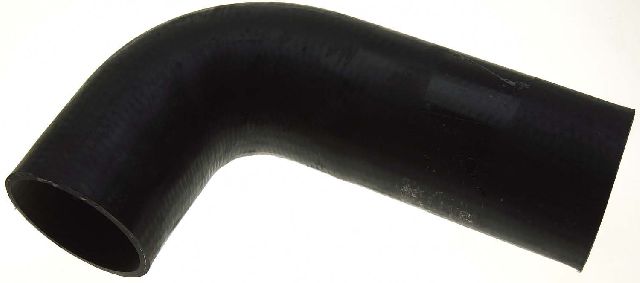
Hoses for the 1981-1984 Mack WS are typically made of EPDM rubber with knitted reinforcement to withstand temperatures from -40°F to over 257°F and resist oil, ozone, and coolants. Hoses must be the correct inner diameter (I.D.) and pre-molded shape to ensure proper fit and prevent kinking.
We Have This Part in Stock

The information in this article is provided for general reference and educational purposes only. Vehicle specifications, procedures, and part compatibility can vary by production date, trim level, and region. Always consult your vehicle's factory service manual and verify part numbers before purchasing or performing repairs. Safety-critical components such as airbags, seat belts, and braking systems should be installed by a qualified professional.
- Mack WS: