

Ford LT800 Accessory Drive Belt Guide (1981-1984)
Keep your 1981-1984 Ford LT800 running strong by understanding its essential drive belts.
- Your truck uses multiple V-belts, not a single serpentine belt; inspect all of them for wear.
- Squealing is the most common sign of a worn or improperly tensioned belt and should be addressed immediately.
- For a heavy-duty truck, choose a quality aftermarket brand like Gates or Dayco for maximum reliability.
- Belt tension is set manually; incorrect tension can cause the belt to fail or damage accessories.
Understanding Your LT800's V-Belt System
Unlike modern trucks that use a single, wide serpentine belt, your 1981-1984 Ford LT800 uses a multiple V-belt system. This means there are several individual belts, each potentially driving one or more accessories. This setup is common for vehicles of this era. The main advantage is that if one belt fails, it doesn't necessarily disable every single accessory at once. However, it also means you have multiple belts to inspect and maintain.
Symptoms of a Failing Accessory Drive Belt
A failing V-belt will almost always give a warning before it snaps. Pay attention to these signs to avoid a sudden breakdown. Ignoring them can lead to overheating, loss of power steering, and a dead battery.
- Squealing or Chirping Noises: This is the most common symptom. The noise is often loudest when you start the engine, during acceleration, or when turning the steering wheel. It may get worse in damp weather. This sound is caused by the belt slipping on the pulleys.
- Visible Wear and Tear: You should inspect the belts regularly. Look for deep cracks, fraying edges, missing chunks of rubber, or a shiny, glazed appearance on the belt's surface. Any of these signs mean the belt is old and needs to be replaced.
- Accessory-Related Problems: If your battery isn't charging properly (dimming headlights), the engine is running hot, or the power steering feels heavy, a loose or damaged belt could be the cause.
A Note on Belt Dressing
Do not use belt dressing sprays to quiet a squealing belt. This is a temporary fix that does not solve the underlying problem, which is usually a worn or improperly tensioned belt. The spray can also cause residue to build up on pulleys, leading to more problems.
Choosing the Right Aftermarket Belt: Brand Quality
For a workhorse like the LT800, using a quality belt is not optional. While original Ford-branded parts for this vehicle are likely unavailable, high-quality aftermarket brands are excellent choices. Both Dayco and Gates are well-regarded brands that have supplied parts to Ford and other manufacturers.
- Gates: Often considered a top-tier brand, Gates is a known OEM supplier for many vehicle manufacturers. Their belts, especially their heavy-duty lines, are engineered for durability and are a trusted choice for trucks.
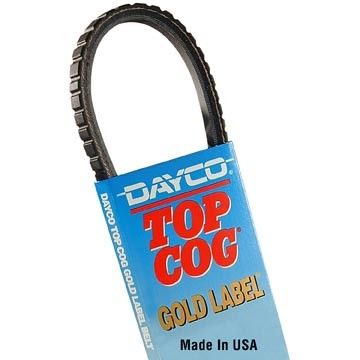
- Dayco: Dayco is another reputable brand that makes quality belts. They offer a wide range of belts that meet or exceed OEM specifications and are a reliable option for your LT800.
In forum discussions among Ford truck owners, both brands are recommended. You can be confident choosing either Gates or Dayco. The most important factor is getting the correct size and type of belt for each specific accessory drive on your truck.
Pro Tip: Replace Belts as a Set
Since your LT800 has multiple belts, it's a good practice to replace them all at the same time. They have likely all been exposed to the same heat and wear. Replacing them together saves on future labor and reduces the chance of another belt failing soon after the first one.
Known Issues, Recalls, and Bulletins
For a vehicle of this age, there are no active recalls or technical service bulletins (TSBs) from the NHTSA or Ford specifically concerning the accessory drive belts on the 1981-1984 LT800. Issues that arise are typically due to normal wear and tear over decades of service. The most common problems, like repeated belt failure, are usually traced back to incorrect tensioning, worn-out pulleys with sharp edges, or pulley misalignment after an accessory has been replaced.
Frequently Asked Questions (FAQ)
How many belts does my Ford LT800 have?
The exact number can vary depending on the specific engine and accessories (like air conditioning or an air brake compressor). Your truck uses a multi-belt system, so expect to find at least two or three individual V-belts. You will need to check your specific vehicle to confirm the number, length, and type for ordering.
How is the belt tension adjusted on an LT800?
Unlike modern vehicles with automatic tensioners, the belts on your LT800 must be tensioned manually. This is typically done by loosening the mounting bolts of an accessory (like the alternator), using a pry bar to carefully apply tension to the belt, and then re-tightening the bolts. It's crucial to get the tension right—too loose and the belt will slip and squeal; too tight and you can destroy the bearings in the alternator or water pump.
Why is it important to get a 'notched' or 'cogged' V-belt?
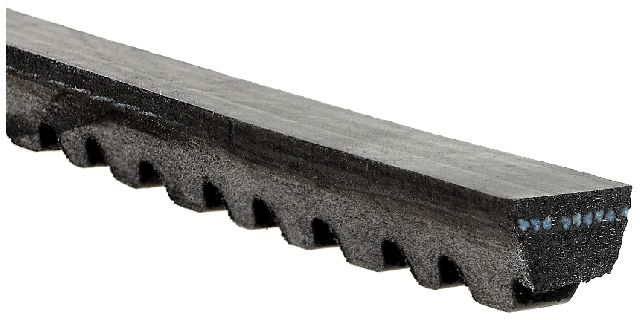
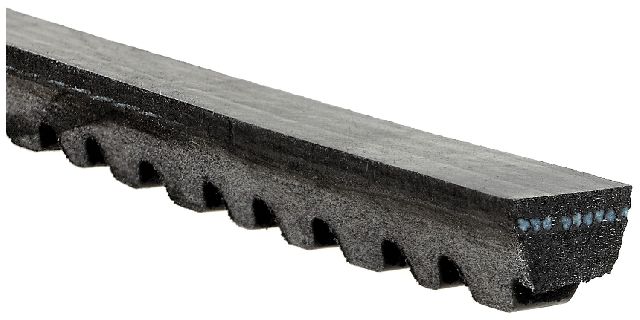
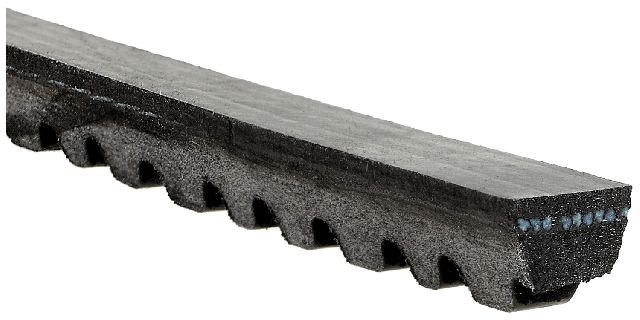
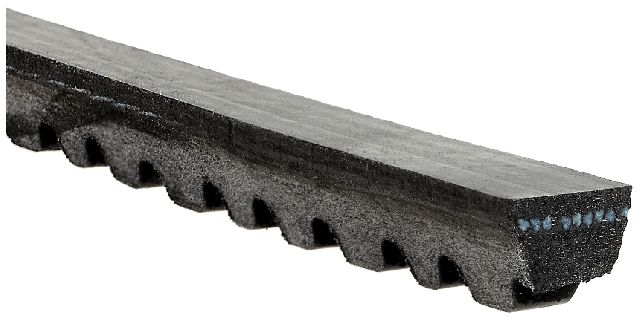
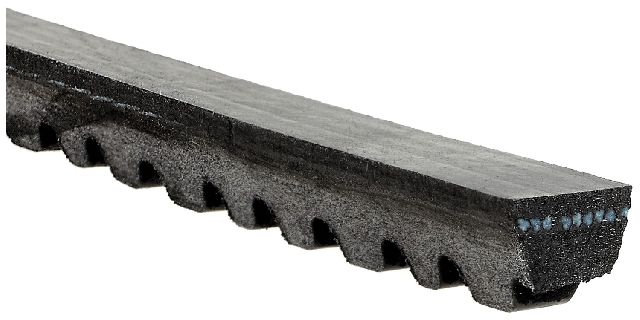
Many replacement belts for your truck are notched (also called cogged). These notches allow the belt to bend more easily around smaller pulleys without cracking and help it run cooler, which increases its lifespan. If the original belt was notched, the replacement should be as well.
Can I replace the belts myself?
Yes, if you have mechanical experience and the right tools. The process is straightforward but requires care, especially when setting the tension. You will need a set of wrenches and a pry bar. If you are not comfortable with this process, a qualified mechanic can do the job relatively quickly.
Technical Specifications
System Type: Multiple V-Belts Tensioning System: Manual Adjustment Available Brands: Dayco, Gates Common Construction: Notched, EPDM Rubber
We Have This Part in Stock

The information in this article is provided for general reference and educational purposes only. Vehicle specifications, procedures, and part compatibility can vary by production date, trim level, and region. Always consult your vehicle's factory service manual and verify part numbers before purchasing or performing repairs. Safety-critical components such as airbags, seat belts, and braking systems should be installed by a qualified professional.
- Ford LT800: