

A Guide to Replacing Disc Brake Calipers on the 1981-1983 Lincoln Mark VI
Keep your classic Lincoln's braking system reliable and safe with the right aftermarket calipers.
- For a classic car like the Mark VI, choose calipers with a protective coating (e.g., Dynamic Friction, Cardone ULTRA) to prevent rust.
- New OEM calipers are not available; the best options are new aftermarket or high-quality remanufactured parts.
- Always replace old rubber brake hoses when installing new calipers to ensure the safety and longevity of the entire brake system.
- Calipers should be replaced in pairs (both front or both rear) to maintain balanced braking.
Understanding Brake Caliper Failure on Your Mark VI
The brake calipers on your 1981-1983 Lincoln Mark VI are robust, but after 40+ years, they are prone to failure. Age, moisture, and inactivity are the biggest enemies. The internal piston can seize due to corrosion, or the rubber seals can degrade, causing fluid leaks. When a caliper fails, it can either get stuck clamped on the rotor or fail to apply pressure at all, creating a serious safety hazard.
Symptoms of a Bad or Failing Brake Caliper
- Vehicle Pulling to One Side: If a caliper is stuck, it can cause constant drag on one wheel, making the car pull to that side while driving or braking.
- Spongy or Soft Brake Pedal: A leaking caliper loses hydraulic fluid, reducing the pressure in the system. This makes the pedal feel soft when you press it.
- Visible Brake Fluid Leaks: You may notice puddles of a light yellow or brown fluid near the inside of your wheel. This is a clear sign of a leak from the caliper or the connected brake hose.
- Grinding or Squealing Noises: A seized caliper can cause the brake pads to wear down unevenly or make constant contact with the rotor, leading to persistent grinding sounds.
- Overheating Wheel: After a drive, a wheel that is significantly hotter than the others is a strong indicator of a dragging or seized caliper.
Brake Hoses Are a Common Failure Point
For a vehicle of this age, it is highly recommended to replace the flexible rubber brake hoses when you replace the calipers. These hoses degrade from the inside out, can become clogged, or crack and leak. A failed hose can mimic a failed caliper or cause your new caliper to fail prematurely.
Choosing the Right Aftermarket Caliper
Finding new original equipment (OEM) parts from Ford for a Mark VI is nearly impossible. The market today consists of new aftermarket parts and remanufactured parts. For a classic car that may see periods of inactivity, choosing a caliper with a protective coating is a smart investment to prevent rust.
Aftermarket Brand Tiers for Your Lincoln
New Aftermarket Calipers (Excellent Choice):
- Dynamic Friction (DFC): This brand produces completely new calipers, so you aren't dealing with a rebuilt 40-year-old part. They are 100% pressure tested and often feature a zinc coating for rust protection, which is ideal for longevity. DFC's program often has no core charge, simplifying the purchase.
Remanufactured Aftermarket Calipers (Good to Better):
- Cardone (ULTRA): Cardone is a major player in remanufactured parts. While their standard reman calipers can be a budget choice, some users report issues with surface rust. Their premium 'ULTRA' line comes with a protective silver coating that resists corrosion much better, making them a solid choice.
- Centric: Generally viewed as a reliable aftermarket brand for brake components, Centric offers both new and remanufactured calipers that are a dependable option for daily driving.
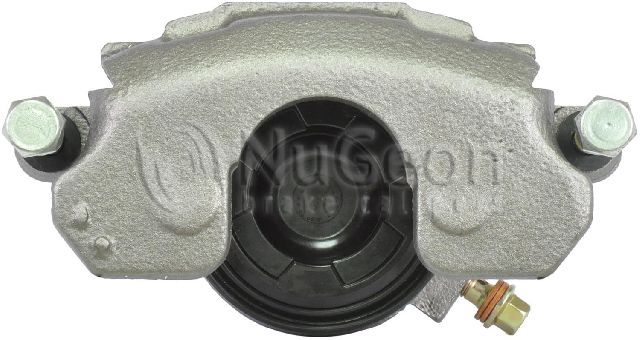
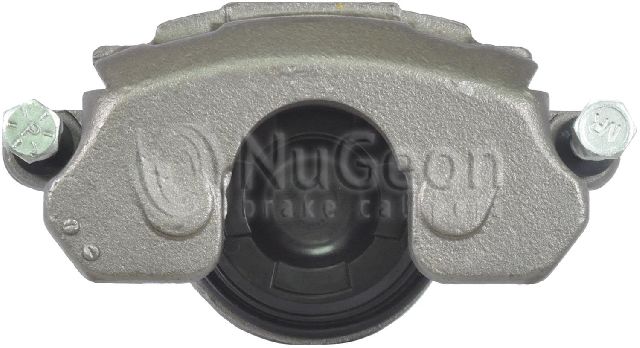
- BBB Industries: This company offers standard remanufactured calipers, sometimes sold under the Nugeon brand name. They are a functional, budget-friendly replacement, but typically lack the premium coatings of other brands.
Pro Tip: Always replace calipers in pairs (both front wheels) to ensure even braking performance and prevent pulling. Also, perform a full brake fluid flush when installing new calipers to remove old, contaminated fluid and any debris from the system.
Estimated Costs for Caliper Replacement
| Part/Service | Estimated Cost |
|---|---|
| New Aftermarket Caliper (per side) | $35 - $125 |
| Shop Labor (per pair) | $150 - $300 |
| Total (DIY, per pair) | $70 - $250 |
| Total (Installed by Shop, per pair) | $220 - $550 |
Note: Prices are estimates and do not include the cost of brake pads, rotors, or fluid, which are often replaced at the same time.
Frequently Asked Questions
Should I buy new or remanufactured calipers?
For the Mark VI, new aftermarket calipers like those from Dynamic Friction offer peace of mind with all-new components and protective coatings. High-quality remanufactured calipers with a coating (like Cardone ULTRA) are also an excellent, often more available, choice. Standard remanufactured calipers are a budget option, but may not last as long cosmetically.
What is a 'core charge'?
Remanufactured parts require you to return the old part (the 'core') so it can be rebuilt. The core charge is a deposit you pay that is refunded when you send the old caliper back. Some new calipers, like those from DFC, do not have a core charge.
Can I reuse my old brake pads and rotors?
It is strongly recommended to install new brake pads with a new caliper. If a faulty caliper caused uneven wear, reusing the old pads will reduce performance and can damage your new components. Inspect your rotors for warping, heavy scoring, or thickness below the minimum specification and replace them if necessary.
Do I need special tools to replace a brake caliper?
The job requires standard hand tools like a socket set, wrenches, and pliers. You will also need a tool to bleed the brakes to remove air from the lines, a C-clamp or piston tool, and a torque wrench to tighten bolts to specification.
Technical Specifications
The 1981-1983 Lincoln Mark VI uses a single-piston, floating-style front disc brake caliper.
We Have This Part in Stock

The information in this article is provided for general reference and educational purposes only. Vehicle specifications, procedures, and part compatibility can vary by production date, trim level, and region. Always consult your vehicle's factory service manual and verify part numbers before purchasing or performing repairs. Safety-critical components such as airbags, seat belts, and braking systems should be installed by a qualified professional.
- Lincoln Mark VI: