

1981-1982 Lancia Zagato Engine Coolant Temperature Sensor Guide
Keep your classic Lancia running smoothly by understanding this critical engine sensor.
- A failing ECT sensor will cause noticeable running issues like poor fuel economy, black smoke, and rough idling.
- This is a DIY-friendly repair that can be done with basic tools when the engine is cool.
- For this classic vehicle, a quality aftermarket brand like Standard Ignition is a reliable choice.
- Always check the sensor's electrical connector for damage or corrosion during replacement.
Understanding the Engine Coolant Temperature Sensor in Your Zagato
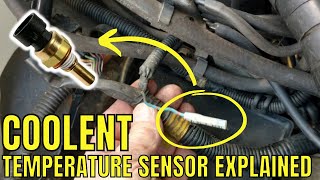
The Engine Coolant Temperature (ECT) sensor is a key component of your Lancia's Bosch L-Jetronic fuel injection system. It's a simple thermistor, meaning its electrical resistance changes with temperature. 🎬 Watch this video to see how the ECT sensor works. The engine's computer reads this resistance to know if the engine is cold, warming up, or at full operating temperature, and adjusts performance accordingly. Given the age of these classic cars, the original sensor may fail due to corrosion or simple wear and tear over decades of heat cycles.
Symptoms of a Failing ECT Sensor
A bad ECT sensor can cause a variety of confusing problems. Because your 1981-1982 Zagato does not have modern OBD-II diagnostics, you must rely on observing the car's behavior. Watch for these signs:
- Poor Fuel Economy: If the sensor is stuck reading cold, it will tell the computer to send extra fuel all the time, wasting gas.
- Black Smoke from Exhaust: A very rich fuel mixture from a bad sensor can result in unburned fuel burning in the exhaust, creating black smoke.
- Rough Idle: The engine may shake or idle poorly because the air-fuel mixture is incorrect for the actual engine temperature.
- Hard Starting: Whether the engine is hot or cold, a faulty sensor can make it difficult to start.
- Engine Overheating: On some systems, the ECT sensor also helps control the electric cooling fans. A bad signal could prevent the fans from turning on when needed, leading to overheating.
Don't Ignore the Signs
Driving with a faulty ECT sensor is not recommended for long. It can lead to poor performance, potential engine damage from running too rich, and the risk of overheating. It's best to address the issue promptly.
Choosing the Right Aftermarket Sensor
For a classic like the Lancia Zagato, finding original equipment (OEM) parts can be nearly impossible. Aftermarket parts are the most practical and available solution. The key is to choose a quality brand.
- Standard Ignition (Standard Motor Products): Generally considered a reliable aftermarket brand with a long history. They often produce parts that meet or exceed original specifications. For a critical sensor, this is a solid choice.
- True Tech: This brand is typically positioned as a more budget-friendly option. While it may function correctly, for a sensitive part on a classic European car, investing in a more established brand like Standard Ignition is often recommended for long-term reliability.
Pro Tip: When replacing the sensor, it's a good time to inspect the electrical connector. After 40+ years, the plastic can become brittle and the contacts can corrode. A bad connection will cause the same problems as a bad sensor.
Estimated Costs
| Part Type | Estimated Cost |
|---|---|
| New Aftermarket (Standard Ignition, True Tech) | $26.36 - $32.02 |
| Shop Labor | $75 - $150 |
Frequently Asked Questions
Where is the ECT sensor located on a Lancia Zagato?
On engines from this era, the ECT sensor is typically screwed into the cylinder head or thermostat housing, where it can directly contact the engine coolant. You will need to trace the upper radiator hose to the engine to find the thermostat housing.
Can I replace the ECT sensor myself?
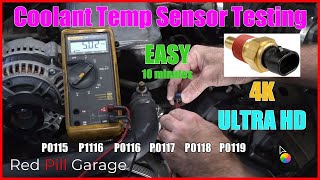
Yes, this is a very DIY-friendly job for most home mechanics. 🎬 Learn how to test and replace your coolant temperature sensor. It requires basic tools, like a deep socket and wrench. The main steps are partially draining the coolant, unplugging the old sensor, unscrewing it, and installing the new one. Always make sure the engine is completely cool before starting.
Do I need to use thread sealant on the new sensor?
Yes, it is recommended to apply a suitable thread sealant to the new sensor's threads before installation to prevent coolant leaks. Some new sensors may come with sealant already applied.
Why is my car running worse after replacing the sensor?
First, double-check the electrical connection. Ensure it is clean and securely plugged in. Second, make sure you have bled any air that may have entered the cooling system during the replacement. Trapped air can cause inaccurate readings and cooling problems.
Helpful Videos
Technical Specifications
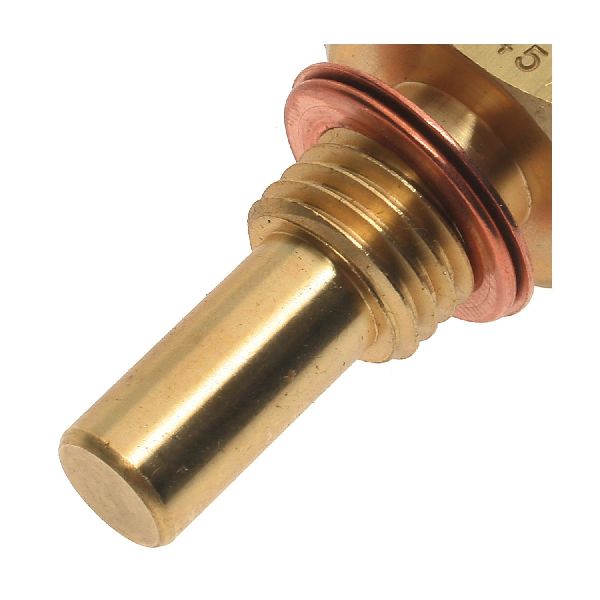
OEM Part Numbers: 13621284397 TX18
Connector Type: 2-Blade Plug In
We Have This Part in Stock


The information in this article is provided for general reference and educational purposes only. Vehicle specifications, procedures, and part compatibility can vary by production date, trim level, and region. Always consult your vehicle's factory service manual and verify part numbers before purchasing or performing repairs. Safety-critical components such as airbags, seat belts, and braking systems should be installed by a qualified professional.
- Lancia Zagato: