

Accessory Drive V-Belt Guide for the 1981 Ford LNT900
Keep your classic Ford LNT900 running strong by understanding its essential V-belt system.
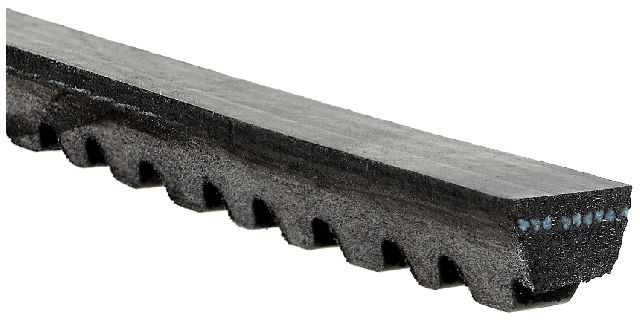
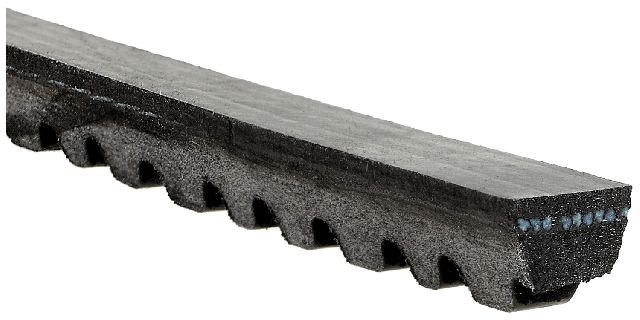
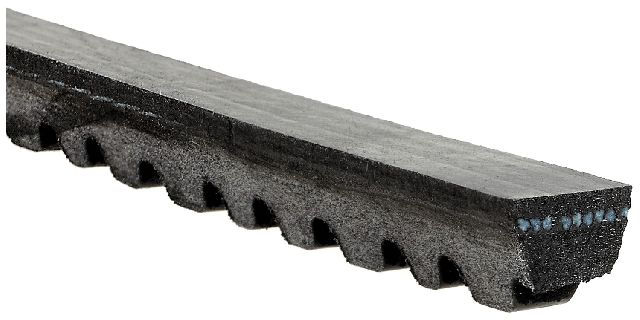
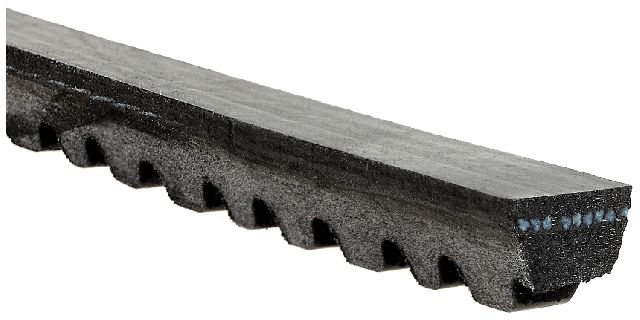
- Your 1981 LNT900 uses multiple V-belts, not a single serpentine belt; you will need to purchase several belts.
- You MUST identify your truck's specific engine (e.g., Cummins, Caterpillar) to order the correct belts, as parts are engine-specific.
- Inspect belts regularly for cracks, fraying, and glazing; a squealing noise is a clear warning sign that needs immediate attention.
- For reliability, choose a quality aftermarket brand like Gates or Dayco and consider replacing all V-belts at the same time.
Understanding the V-Belt System on Your '81 LNT900
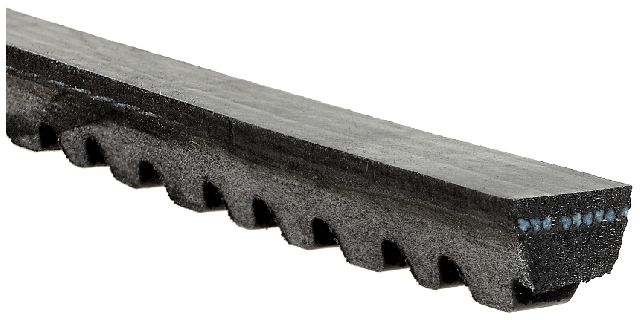
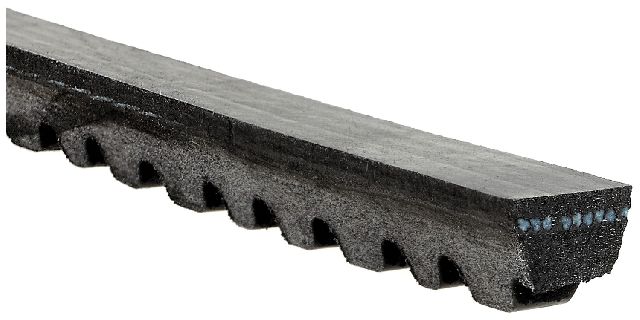
Your 1981 Ford LNT900 is a product of its time, featuring a robust and straightforward accessory drive system. Unlike modern trucks that use a single, wide serpentine belt, your LNT900 uses multiple, individual V-belts. Each belt is responsible for driving one or two specific accessories. This design was common on heavy-duty diesel engines from manufacturers like Cummins and Caterpillar, which were often fitted in these trucks. The most important thing to know when shopping for a new belt is that the part you need depends entirely on your truck's specific engine, not the LNT900 model itself.
Signs of a Failing V-Belt
A failing V-belt will almost always give you a warning before it breaks. Ignoring these signs can lead to a breakdown on the road. Be alert for these common symptoms:
- Squealing Noises: A loud squeal, especially when you start the engine or accelerate, is a classic sign of a slipping belt. This is often caused by a worn, glazed belt or improper tension.
- Visible Damage: Regularly inspect your belts. If you see cracks, frayed edges, missing chunks, or a shiny, hardened surface, it's time for a replacement. Oil or grease contamination can also cause the belt material to become soft and swollen, leading to failure.
- Accessory Problems: If your battery isn't charging (indicated by a battery warning light), the engine temperature is climbing, or the power steering becomes heavy, it could mean the belt driving that specific component is slipping or has failed.
Engine Identification is Critical
You cannot order the correct belts based on the truck model alone. The 1981 LNT900 used various engines (e.g., Cummins NTC, Caterpillar 3406). The best way to get the right parts is to find the part number on your old belts or carefully measure their length and width. Ordering the wrong size will not work.
Choosing the Right Aftermarket V-Belts
Since original Ford-branded belts for a 1981 model are virtually nonexistent, you will be choosing from aftermarket brands. For a heavy-duty truck, investing in a quality brand is smart. Both Dayco and Gates are well-regarded manufacturers that produce reliable belts for these applications.
- Premium Brands (e.g., Gates): Gates is a highly respected name in the belt industry and is often an OEM supplier. Their heavy-duty lines, like the FleetRunner series, are specifically designed for the demands of commercial trucks. Many mechanics and users trust Gates for longevity and performance.
- Standard Brands (e.g., Dayco): Dayco is another major manufacturer that supplies parts to automakers and the aftermarket. They offer a good balance of quality and value and are considered a reliable choice for most applications. While some users have preferences, both Dayco and Gates make durable EPDM rubber belts that meet or exceed the standards of the 1980s.
Pro Tip: Replace Belts in Sets
If one V-belt is cracked and worn out, the others are likely the same age and in similar condition. It is considered best practice to replace all the accessory drive belts at the same time. This saves you from future breakdowns and repeated labor costs.
| Part | Price Range (Per Belt) |
|---|---|
| New Aftermarket Accessory Drive Belt | $27.57 - $44.13 |
*Prices are estimates and can vary based on brand and the specific belt size required for your engine. Your truck will require multiple belts.
Frequently Asked Questions (FAQ)
How many accessory belts does my 1981 LNT900 have?
It depends on the engine and the accessories installed. Most trucks from this era have at least two or three separate V-belts, and sometimes more. There is no single serpentine belt.
How do I know which belt to buy?
First, identify your engine (e.g., Cummins, Caterpillar). The most reliable method is to find a part number on the old belt or to carefully measure its length and check its V-profile. Part listings often specify which accessory the belt is for (e.g., "Alternator Belt").
Is a squealing belt always a bad belt?
Not always, but it's a clear warning sign. Squealing is caused by slipping. This can be due to a worn, glazed belt, but it can also be caused by incorrect tension or misaligned pulleys. Any squeal should be investigated immediately.
Are there any recalls for the accessory belts on this truck?
No, a search of the NHTSA database shows no specific recalls for accessory drive belts on the Ford L-series trucks from this era.
Technical Specifications
The system uses multiple V-belts. The specific length, width, and V-profile of each belt are determined by the truck's engine (e.g., Cummins NTC, Caterpillar 3406) and the accessory it drives (alternator, A/C, etc.). Belts are typically made from durable EPDM rubber compounds.
We Have This Part in Stock

The information in this article is provided for general reference and educational purposes only. Vehicle specifications, procedures, and part compatibility can vary by production date, trim level, and region. Always consult your vehicle's factory service manual and verify part numbers before purchasing or performing repairs. Safety-critical components such as airbags, seat belts, and braking systems should be installed by a qualified professional.
- Ford LNT900: