

Accessory Drive Belt Guide for the 1981 Ford LN900
Keep your classic Ford workhorse running by understanding its essential drive belts.
- You must identify your specific engine (Ford, Cummins, Cat) to order the correct set of V-belts.
- For maximum durability in a commercial truck, choose a premium heavy-duty belt from a brand like Gates.
- If a belt breaks, do not drive the truck; it will cause overheating and a loss of power steering.
- When replacing belts, always inspect all pulleys for noise or wobble to prevent damage to the new parts.
Is It a V-Belt or a Serpentine Belt?
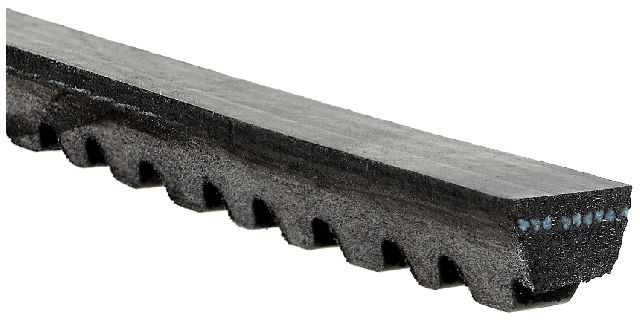
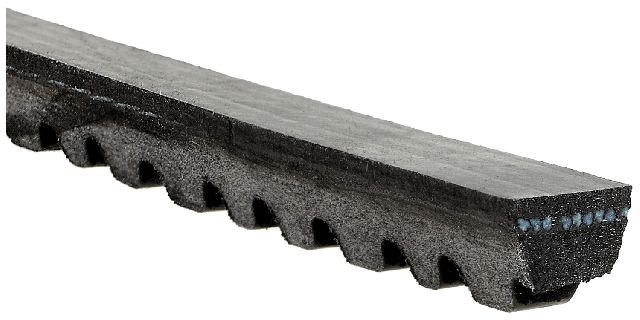
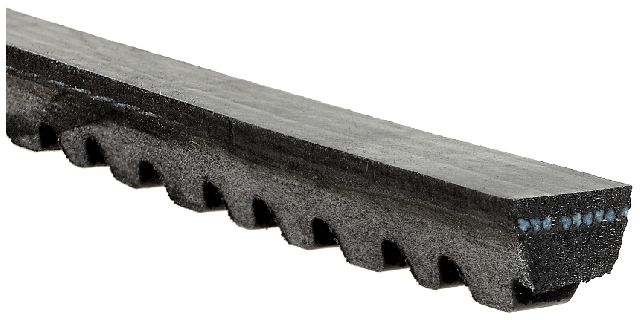
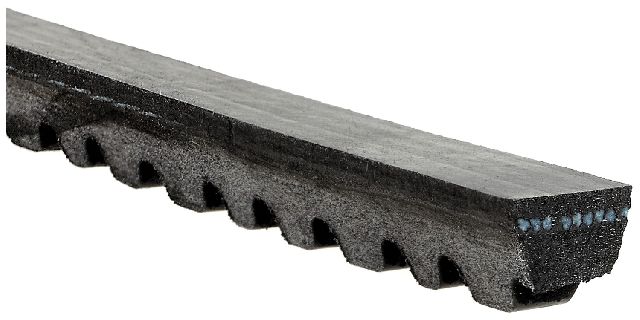
The most important step before ordering parts for your 1981 LN900 is to identify what your engine uses. Most trucks from this era use multiple, individual V-belts—narrow, wedge-shaped belts—to power accessories. It is less common for a truck of this age to have a single, wide, flat serpentine belt. Open the hood and visually confirm your setup. Ordering the wrong type is the most common mistake owners make.
Signs of a Failing Accessory Drive Belt
A worn-out belt provides clear warnings before it fails completely. Ignoring these signs can leave you stranded and risk engine damage from overheating.
- Squealing Noises: A high-pitched squeal or chirp, especially when starting the engine or turning the steering wheel, is the most common sign of a slipping belt.
- Visible Damage: Inspect the belts for cracks, frayed edges, missing chunks, or a shiny, glazed surface. Any visible damage means it's time for a replacement.
- Accessory Problems: If your headlights dim, the battery light comes on, steering becomes difficult, or the engine temperature rises, the belt is likely slipping or has already broken.
Warning: Do Not Drive with a Broken Belt
If a belt breaks, do not continue to drive. Your truck will lose power to critical components. If the water pump belt fails, the engine will overheat rapidly, causing severe damage. A loss of the power steering belt will make the truck extremely difficult to steer safely.
Choosing the Right Aftermarket Belt
For a vehicle of this age, original OEM belts are generally unavailable, making aftermarket brands the go-to source. Both Dayco and Gates are established manufacturers that produce reliable belts for heavy-duty trucks.
Brand Comparison
- Gates: Often considered the premium choice by mechanics for heavy-duty applications. Gates belts, particularly their heavy-duty lines like the "FleetRunner" (often identified by a green color), are built to withstand the high temperatures and demanding loads of commercial engines. For maximum reliability and longevity in a work truck, Gates is a top-tier option.
- Dayco: A well-regarded brand that offers a reliable and cost-effective standard replacement. Dayco belts meet or exceed original specifications and are a solid choice for regular use. While some users have noted noise issues, many have used them for years without problems.
Pro Tip: Inspect Your Pulleys
When replacing your belts, always inspect the pulleys. With the engine off and the old belts removed, spin each pulley by hand. They should spin smoothly and quietly. If you feel any roughness, hear grinding noises, or see any wobble, the pulley or the accessory it's attached to has a bad bearing and should be replaced. Installing a new belt on a bad pulley will cause the new belt to fail quickly.
Estimated Costs for Accessory Drive Belts
| Part Type | Estimated Cost |
|---|---|
| New Aftermarket Belts (per belt) | $27.57 - $44.13 |
| Shop Labor for Replacement (all belts) | $100 - $200 |
Note: Your truck has multiple belts. Prices are estimates and may vary based on your specific engine and location.
Frequently Asked Questions
How often should I replace the belts on my LN900?
There is no strict mileage interval for a commercial truck of this age. The best practice is to inspect the belts at every oil change for wear. As a preventative measure, consider replacing them every 3-5 years, as the rubber degrades over time regardless of mileage.
Is there a recall for the drive belts on my truck?
No. Searches of the National Highway Traffic Safety Administration (NHTSA) database show no recalls or technical service bulletins (TSBs) for accessory drive belts on the 1981 Ford LN900. They are considered a normal wear-and-tear item.
My new belt is squeaking. What's wrong?
If a new belt makes noise, the problem is almost always caused by something else. Common causes include a weak or improperly set manual tensioner, a misaligned pulley, or fluid contamination (oil, coolant, etc.) on the pulleys. Always clean the pulleys thoroughly before installing a new belt.
Do I need to know my engine to buy the right belts?
Yes, absolutely. The 1981 LN900 was offered with many different engines from Ford, Caterpillar, and Cummins. Each engine has a unique belt configuration. You must identify your specific engine to get the correct set of belts.
Technical Specifications
System Type: Multiple V-Belts (most common) or single Serpentine Belt. Belt type and length are entirely dependent on the specific engine (e.g., Cummins, Caterpillar, Ford gas) and accessories (e.g., with/without A/C) installed in the truck.
We Have This Part in Stock

The information in this article is provided for general reference and educational purposes only. Vehicle specifications, procedures, and part compatibility can vary by production date, trim level, and region. Always consult your vehicle's factory service manual and verify part numbers before purchasing or performing repairs. Safety-critical components such as airbags, seat belts, and braking systems should be installed by a qualified professional.
- Ford LN900: