

1980-1996 Cadillac Commercial Chassis Coolant Temperature Sensor Guide
Keep your Cadillac's engine running smoothly by understanding this critical, easy-to-replace sensor.
- A bad sensor causes poor fuel economy, black smoke, and rough running.
- Failure can lead to critical overheating if the cooling fans don't turn on.
- Replacement is a simple, low-cost DIY job that most owners can do in under an hour.
- Confirm if you need the two-wire sensor for the computer or the one-wire switch for the gauge.
Is it a Sensor or a Switch?
On many GM vehicles from this era, it's common to have two parts that measure coolant temperature. It is a frequent mistake to replace the wrong one. Before ordering, it's important to know which one you need.
- Engine Coolant Temperature (ECT) Sensor: This is usually a two-wire sensor that communicates directly with the engine's computer. A failure here affects how the engine runs, causing performance problems and often triggering the Check Engine Light. 🎬 Learn how a faulty sensor affects Cadillac engine performance. This is the part that controls fuel and timing.
- Coolant Temperature Sending Unit/Switch: This is typically a one-wire sensor. Its only job is to make the temperature gauge on your dashboard work. If your gauge is dead but the engine runs fine, this is the part that has likely failed.
Aftermarket vs. OEM Quality
For a vehicle from this generation, a new aftermarket coolant temperature sensor from a standard replacement brand is a reliable and cost-effective choice. The technology behind this simple sensor is well-established, and aftermarket parts meet or exceed the original specifications. Given the age of the Cadillac Commercial Chassis, finding a new OEM part from a dealer can be difficult and expensive. An aftermarket sensor provides the same performance and reliability for everyday and heavy-duty use without the high cost or difficulty in sourcing.
| Part Type | Estimated Cost |
|---|---|
| New Aftermarket | $18.79 |
| Shop Labor | $55 - $110 |
Frequently Asked Questions (FAQ)
Can I replace the coolant temperature sensor myself?
Yes, this is a very DIY-friendly job for most home mechanics. It usually involves unplugging the electrical connector, using a deep socket (often 19mm) to unscrew the old sensor, and quickly installing the new one. Some coolant will leak out, so having the new sensor ready to go minimizes the mess. The entire job typically takes less than an hour.
🎬 See how to replace the sensor on a Cadillac 4.9L.Where is the ECT sensor located on my Cadillac Commercial Chassis?
The location depends on the specific engine. On the Cadillac 4.9L V8, it is often found in the thermostat housing area. On other GM V8s of this era, it can be at the front or rear of the engine, screwed into the intake manifold or a cylinder head. Always confirm the location for your specific year and engine before starting. The sensor for the computer (ECT) is a two-wire sensor.
What happens if I don't replace a bad ECT sensor?
Ignoring a bad sensor can lead to several problems. You will likely experience poor fuel economy, rough idling, and hard starting. In some cases, it can prevent the cooling fans from turning on, which creates a serious risk of the engine overheating, especially in heavy-duty vehicles like limousines and hearses. This can lead to severe engine damage.
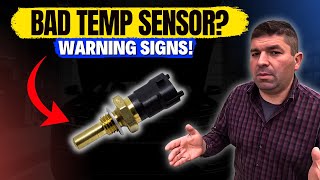
🎬 Watch a video on common symptoms of a bad sensor.Are there any recalls for this part?
No, searches of the National Highway Traffic Safety Administration (NHTSA) database did not find any recalls for the coolant temperature sensor on the 1980-1996 Cadillac Commercial Chassis.
Helpful Videos
Technical Specifications
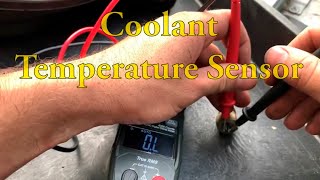
This is typically a two-wire thermistor sensor. Its electrical resistance changes based on coolant temperature, sending a variable voltage signal to the engine computer.

The information in this article is provided for general reference and educational purposes only. Vehicle specifications, procedures, and part compatibility can vary by production date, trim level, and region. Always consult your vehicle's factory service manual and verify part numbers before purchasing or performing repairs. Safety-critical components such as airbags, seat belts, and braking systems should be installed by a qualified professional.
- Cadillac Commercial Chassis: