

Ford FT800 (1980-1990) Accessory Drive Belt Replacement Guide
Keep your heavy-duty Ford running strong by choosing the right V-belts for the job.
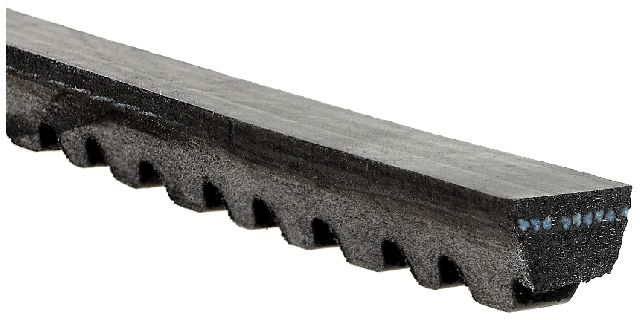
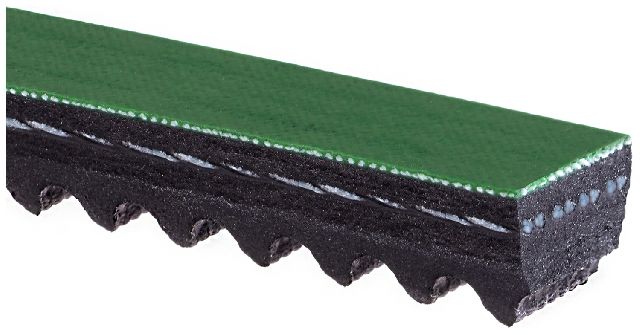
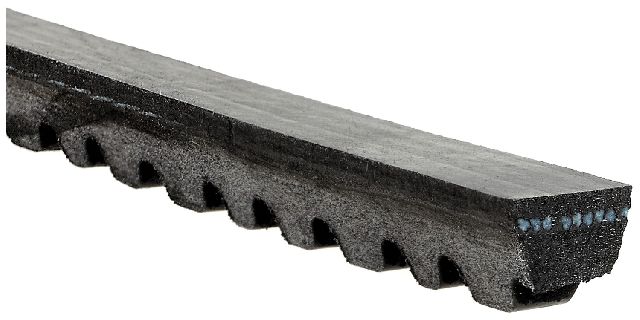
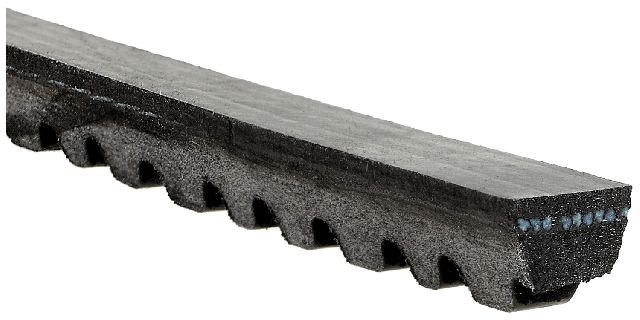
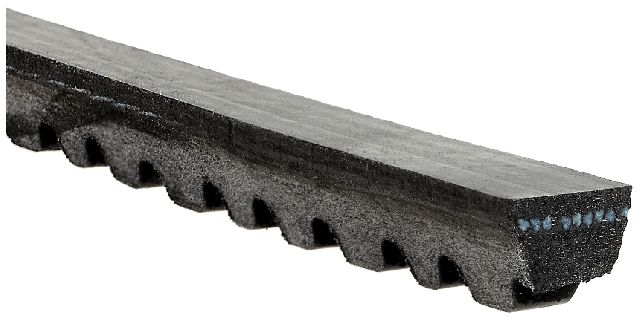
- Your FT800 uses multiple V-belts, not a single serpentine belt. Identifying your specific engine and accessories is critical to ordering the correct parts.
- Squealing is the most common symptom of a bad belt, but can also be caused by incorrect tension or pulley issues.
- Visually inspect belts regularly for cracks, fraying, and glazing. Replace them at the first sign of damage to avoid a breakdown.
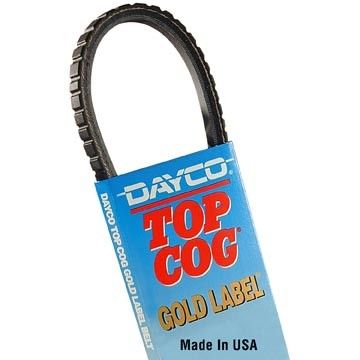
- Gates, Dayco, and Continental are all high-quality aftermarket brands suitable for your heavy-duty truck.
Understanding Your FT800's V-Belt System
The 1980-1990 Ford FT800 is a workhorse, and its accessory drive system is designed for that purpose. These trucks were available with a variety of gasoline and diesel engines, including the Ford 370 and 429 V8s, and diesels from Caterpillar and Ford/New Holland. Because of these different engine and accessory combinations (like with or without A/C), your truck uses a specific set of V-belts. There is no single part number for all FT800s. The most common mistake is ordering the wrong belt. Always confirm your truck's engine and accessories before buying.
Symptoms of a Failing Accessory Drive Belt
A worn-out V-belt will almost always give you a warning before it fails completely. Ignoring these signs can lead to a breakdown and more expensive repairs.
- Squealing Noises: This is the most common symptom. A high-pitched squeal, especially on a cold start-up or when turning the steering wheel, usually means a belt is slipping because it's loose, worn, or contaminated with fluids.
- Visible Damage: Inspect your belts. If you see cracks, fraying, missing chunks, or a smooth, shiny surface (glazing), the belt is old and needs to be replaced immediately.
- Accessory Problems: If your battery warning light comes on, the engine temperature rises quickly, or power steering becomes difficult, a belt may have already broken or is slipping badly.
Noise Isn't Always the Belt's Fault
Persistent squealing, even with a new belt, often points to other issues. The most common causes are improper belt tension (too loose or too tight) or misaligned pulleys. Always check the condition and alignment of your pulleys when replacing belts.
Choosing the Right Aftermarket Belts: Brand Tiers
For a heavy-duty application like the FT800, you need a quality belt. Fortunately, the main aftermarket brands available—Gates, Dayco, and Continental—are all reputable manufacturers that supply parts to automakers directly. You can't go wrong with any of them, as they all produce durable belts designed for longevity.
- Gates: A highly respected brand in both consumer and professional circles. Their heavy-duty belts are known for durability, and some users prefer their premium lines for added peace of mind.
- Dayco: A long-standing manufacturer that produces millions of belts for the aftermarket and OEMs. They state that most modern belts use similar high-quality materials, making them comparable to other top brands.
- Continental: Another major OEM supplier with a strong reputation for quality rubber products. They offer a wide range of belts for various applications, including heavy-duty trucks.
Pro Tip: Since your truck has multiple belts, it's a good practice to replace them all at the same time. This ensures even wear and saves you from having to do the job again in a few months when the next old belt fails.
| Item | Estimated Cost |
|---|---|
| New Aftermarket Belts (per belt) | $2.60 - $46.27 |
| Shop Labor to Replace All Belts | $100 - $200 |
Frequently Asked Questions
How do I find the right belts for my truck?
The best way is to get the numbers off the old belts themselves. If they are unreadable, you will need to know your truck's year, engine size and type (gas/diesel), and what accessories it has (A/C, specific alternator, etc.). Taking pictures of the belt routing before you remove them is also a great idea.
How often should I replace my V-belts?
There is no strict mileage interval for these older trucks. Belts wear due to age, heat, and use. The best approach is to inspect them regularly (every oil change) for signs of cracking, fraying, or glazing. If they look worn or make noise, it's time for a replacement.
Can I replace the belts myself?
Yes, this is a job that is very feasible for a DIY mechanic. It requires basic hand tools to loosen the accessories, remove the old belts, and install/tension the new ones. The key is achieving proper tension; a belt that is too loose will slip and squeal, while a belt that is too tight can damage the bearings in your alternator or water pump.
Is a squeaky belt an emergency?
Not always, but it should be addressed immediately. A squeak is a warning that the belt is slipping. Spraying the belt with water can help diagnose the issue; if the noise goes away temporarily, it's likely a worn belt or tension problem. If the noise continues or gets worse, it could be a pulley alignment or bearing issue. Ignoring it will eventually lead to the belt breaking.
Technical Specifications
System uses multiple V-belts. Correct length, width, and V-angle are critical for each specific belt. Part selection depends on engine type (gas/diesel) and accessories (A/C, air brakes, etc.).
We Have This Part in Stock

The information in this article is provided for general reference and educational purposes only. Vehicle specifications, procedures, and part compatibility can vary by production date, trim level, and region. Always consult your vehicle's factory service manual and verify part numbers before purchasing or performing repairs. Safety-critical components such as airbags, seat belts, and braking systems should be installed by a qualified professional.
- Ford FT800: