

Ford F-250 Oxygen Sensor Guide: 1980-1989 Replacement and Diagnosis
If your classic F-250 is running rough or guzzling gas, a faulty oxygen sensor could be the culprit.
- First, confirm your specific 1980-1989 F-250 model actually has an oxygen sensor, as many early-decade carbureted versions do not.
- Your truck will only have one upstream sensor, located in the exhaust before the catalytic converter.
- Removal can be difficult due to rust; use penetrating oil in advance and get a specific 7/8" oxygen sensor socket.
- Stick with reputable aftermarket brands like Bosch, Denso, or NGK for the best reliability and performance.
Is This The Right Part For Your Truck?

Check Before You Buy
Not every 1980-1989 Ford F-250 has an oxygen sensor. During this decade, Ford was transitioning from carburetors to electronic fuel injection (EFI). Generally, diesel models (6.9L and 7.3L IDI) do not use oxygen sensors. For gasoline engines:
- 1980-1984: Most models were carbureted and may not have an O2 sensor unless equipped with a 'feedback' carburetor system, which was less common.
- 1985-1986: Electronic Fuel Injection (EFI) was introduced on the 5.0L V8. These trucks have an oxygen sensor. Carbureted models may or may not.
- 1987-1989: EFI became more common, added to the 4.9L I6 in 1987 and the 5.8L & 7.5L V8s in 1988. If your truck is fuel-injected, it has at least one oxygen sensor.
Always verify if your specific engine and emissions system uses an oxygen sensor before purchasing.
Symptoms of a Failing Oxygen Sensor

A bad oxygen sensor sends incorrect information to the truck's computer, leading to a poor air-fuel mixture. You might notice one or more of these signs:
- Poor Fuel Economy: This is the most common symptom. An incorrect mixture often causes the engine to run rich, wasting fuel.
- Rough Idle or Stalling: The engine may run unevenly or stall when the computer can't properly regulate the fuel.
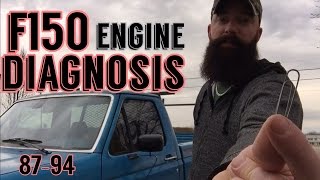
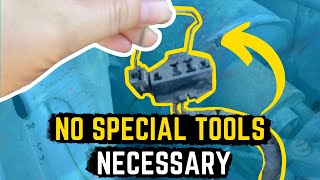
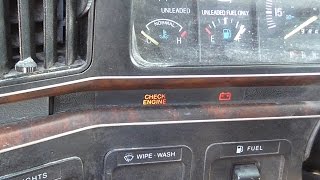
- Check Engine Light: On these OBD-I trucks, a 'Check Engine' or 'Service Engine Soon' light may illuminate. You'll need to pull the codes with a special procedure (not a modern scanner) to confirm. 🎬 Watch: How to read OBD-I codes on early Ford trucks
- Failed Emissions Test: A bad sensor directly impacts your truck's emissions output, often leading to a test failure.
Choosing the Right Aftermarket Oxygen Sensor

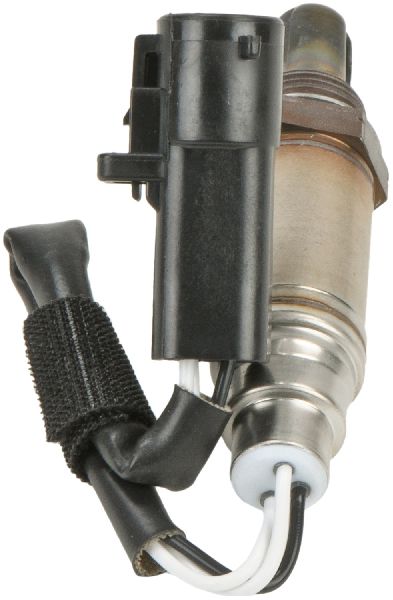
For an older truck, the quality of an aftermarket sensor can be as good as the original, provided you choose a reputable brand. Aftermarket sensors are typically more affordable and readily available. The key is to select a 'direct-fit' sensor with the correct plug to avoid cutting and splicing wires.
Brand Quality Tiers
Based on owner feedback and industry reputation, here’s how the available brands stack up for your F-250:
- Top Tier (OEM Quality): Bosch, Denso, and NGK (or NTK) are highly recommended. These companies were often the original equipment suppliers for Ford. Choosing one of these brands is the safest bet for reliability and performance that meets or exceeds original specifications.
- Standard Aftermarket: Walker Products and Spectra are established aftermarket brands that offer a good balance of quality and value. They are a reliable choice if a top-tier brand isn't available.
- Economy/Value: DriveWire and other private-label brands are typically the most affordable. They can be a viable option for a budget repair, but may not offer the same longevity as premium brands.
Replacement Cost
| Part Type | Price Range |
|---|---|
| New Aftermarket | $21.22 - $72.57 |
| Shop Labor | $90 - $180 |
| Total Job Cost (Aftermarket) | $111 - $253 |
Cost estimates are approximate and can vary by location and supplier.
Frequently Asked Questions (FAQ)

How many oxygen sensors does my 1980-1989 F-250 have?
If your truck is equipped with an oxygen sensor, it almost certainly has only one. It is a single 'upstream' sensor that reads the combined exhaust from all cylinders before the catalytic converter.
Where is the oxygen sensor located?
The sensor is screwed into the exhaust pipe. On most V8 and I6 models, it's found just before the catalytic converter, often where the pipes from each manifold merge into a single pipe (the 'Y-pipe'). It will be the only part on the exhaust with wires coming out of it. You will likely need to get under the truck to see it.
🎬 Watch this walkthrough for installing a new oxygen sensorDo I need a special tool to replace the oxygen sensor?
Yes, it is highly recommended. An 'oxygen sensor socket' is designed with a slot on the side for the wire to pass through. The standard size is 7/8" (or 22mm). Using one makes the job much easier. You may also need a breaker bar for leverage and penetrating oil to loosen the old, rusted sensor.
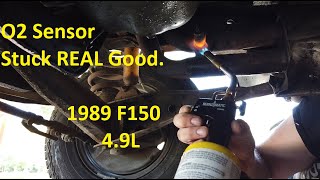
🎬 See how to remove a stuck, rusty oxygen sensorWhat happens if I don't replace a bad oxygen sensor?
Your truck will continue to run, but it will perform poorly. You will experience reduced fuel economy, a rougher-running engine, and higher emissions. Over time, running a consistently rich fuel mixture can also damage your catalytic converter, leading to a much more expensive repair.
Helpful Videos

Technical Specifications
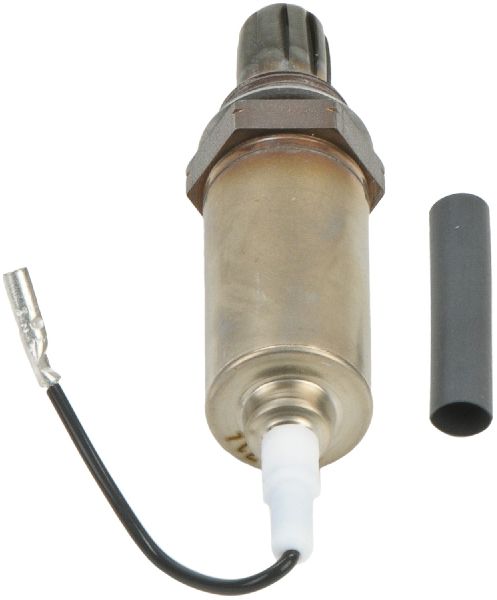
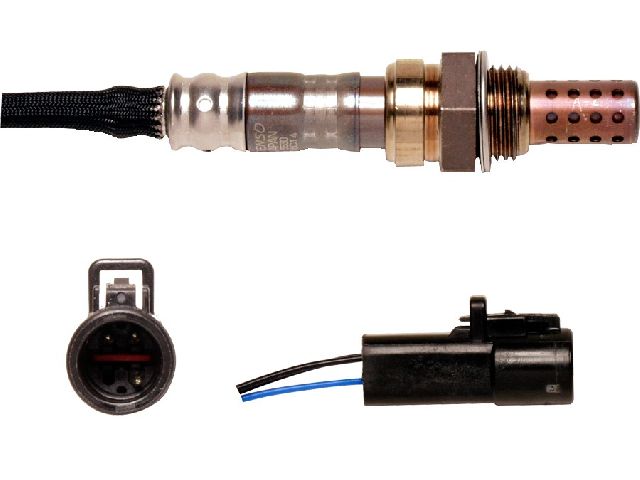
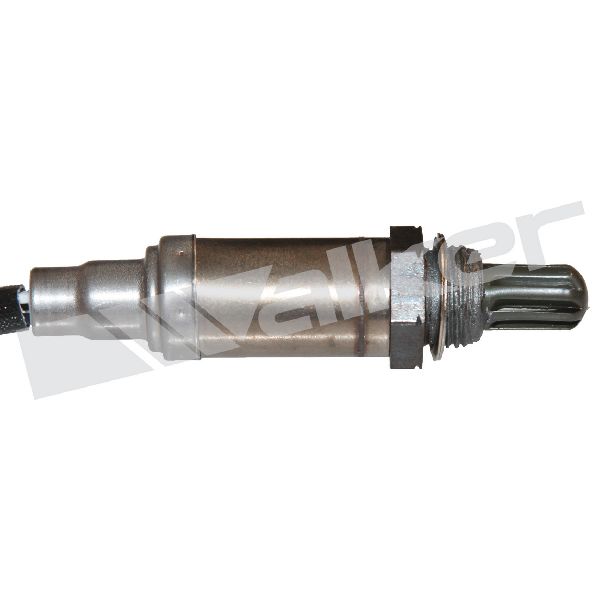
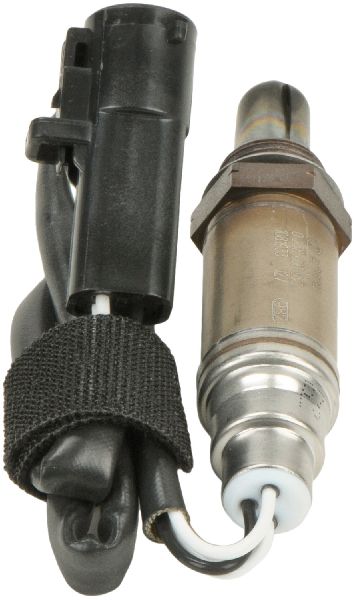
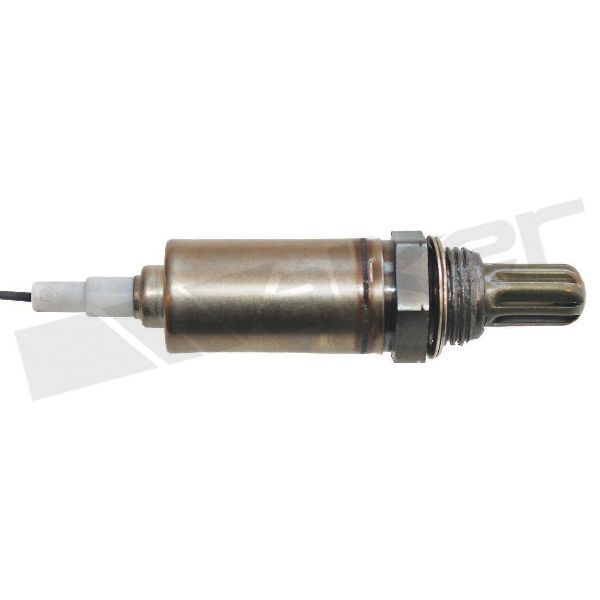
Typically a single, 1, 3, or 4-wire sensor with a 7/8" (22mm) hex size. The number of wires depends on whether the sensor is heated. Direct-fit connectors are recommended to avoid splicing.
We Have This Part in Stock

The information in this article is provided for general reference and educational purposes only. Vehicle specifications, procedures, and part compatibility can vary by production date, trim level, and region. Always consult your vehicle's factory service manual and verify part numbers before purchasing or performing repairs. Safety-critical components such as airbags, seat belts, and braking systems should be installed by a qualified professional.
- Ford F-250: