

Ford B600 (1980-1989) Voltage Regulator Replacement Guide
Keep your medium-duty Ford's charging system reliable by understanding and replacing this key component.
- The voltage regulator on the 1980-1989 B600 is an external part, making it a very simple and fast DIY replacement.
- Before replacing the regulator, ensure the mounting surface is cleaned to bare metal for a proper ground, as a bad ground is a common cause of failure.
- Symptoms like flickering lights and a dead battery are common, but an overcharging battery (hot, sulfur smell) is a serious hazard requiring immediate attention.
- Use a simple "full-field test" to confirm the regulator is bad before buying a new part, potentially saving you from replacing a good alternator.
Is Your B600's Voltage Regulator Failing?
A bad voltage regulator on an older Ford truck like the B600 can cause confusing electrical issues that often seem like a bad battery or alternator. Because these trucks use an external regulator as part of the Ford 1G charging system, it's a common part to fail over time. Knowing the specific signs can save you from replacing the wrong components.
Common Symptoms of a Bad Voltage Regulator
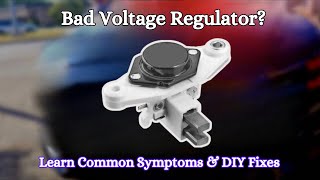
- Dimming or Flickering Lights: Headlights and dash lights may pulse, get brighter when you rev the engine, or dim at idle. This is a classic sign that the regulator is struggling to maintain steady voltage. 🎬 Watch this video to see these common symptoms in action.
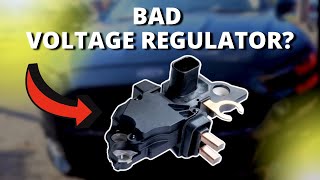
- Battery Problems: You might find your battery is constantly dead because the regulator isn't allowing the alternator to charge it (undercharging). Conversely, a more dangerous symptom is overcharging, which can cause the battery to get hot, swell, or release a rotten egg (sulfur) smell. An overcharging battery is a serious hazard that requires immediate attention. 🎬 Learn more about identifying the signs of a failing regulator.
- Charging Gauge Issues: The ammeter or voltmeter on your dashboard might show a constant discharge or no charge at all, even when the engine is running.
- Poor Engine Performance: Unstable voltage can sometimes affect the ignition system, leading to rough running, hesitation, or stalling.
Choosing the Right Aftermarket Voltage Regulator
For a vehicle from this era, finding a new original equipment (OEM) Ford/Motorcraft part can be difficult and expensive. Aftermarket parts are the most practical and widely available solution. Since the voltage regulator is a simple but critical electronic part, choosing a quality brand is important for reliability.
- Reputable Brands: Brands like Standard Motor Products (SMP) have a long-standing reputation for producing reliable aftermarket electrical components that meet or exceed original specifications.
- Solid-State vs. Mechanical: Modern aftermarket regulators are typically solid-state electronic units. These are more durable and reliable than the original mechanical-style regulators, as they have no moving parts and are better protected against vibration.
Given the low cost of this part, investing in a reputable brand is a wise choice over a generic, no-name option to ensure long-term reliability.
Pro Tip: Check the Ground Connection!
The single most important step when installing a new voltage regulator is ensuring it has a perfect ground connection. The regulator bolts directly to the truck's body (often the firewall or radiator support), and this metal-to-metal contact is its ground path. Before installing the new part, use a wire brush or sandpaper to clean the mounting location until you see bare, shiny metal. A poor ground is the most common reason for a new regulator to fail or not work correctly.
Cost of Replacing a Ford B600 Voltage Regulator (1980-1989)
| Part Type | Estimated Cost |
|---|---|
| New Aftermarket (Replacement, Standard) | $15 - $45 |
| New OEM (Motorcraft, if available) | $40 - $75+ |
| Shop Labor | $50 - $100 |
Frequently Asked Questions (FAQ)
How do I know if it's the regulator and not the alternator?
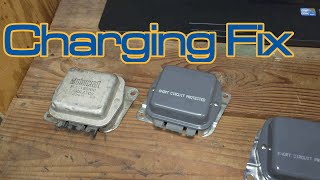
A common diagnostic technique is the "full-field test." Disconnect the wiring plug from the regulator and use a small jumper wire to briefly connect the 'A' (power) and 'F' (field) terminals in the plug. Start the engine and monitor the voltage at the battery. If the voltage quickly climbs past 15 volts, your alternator is working and the regulator is likely bad. Warning: Only run this test for a few seconds. Running it longer can overcharge and damage your battery and other electronics. 🎬 See how to perform a full-field test and replace the unit.
Where is the voltage regulator located on my B600?
On Ford trucks from this era, the external voltage regulator is a small box mounted in the engine bay. Look for it on the firewall or the radiator core support, usually held in place by two small bolts with a wiring harness plugged into it.
Can I replace the voltage regulator myself?
Yes, this is a very easy DIY job suitable for any skill level. It typically involves disconnecting the battery, unplugging one electrical connector, and removing two bolts. The entire process usually takes less than 30 minutes.
Are there any recalls for the B600 voltage regulator?
No recalls or specific Technical Service Bulletins (TSBs) were found from the National Highway Traffic Safety Administration (NHTSA) for the voltage regulator on the 1980-1989 Ford B600. This is common for a vehicle of this age and for this type of component.
Helpful Videos
Technical Specifications
OEM Part Numbers: GR-540-B C5AZ-10316-C
External, solid-state electronic replacement for Ford 1G charging systems. Typically features a 4-prong connector.

The information in this article is provided for general reference and educational purposes only. Vehicle specifications, procedures, and part compatibility can vary by production date, trim level, and region. Always consult your vehicle's factory service manual and verify part numbers before purchasing or performing repairs. Safety-critical components such as airbags, seat belts, and braking systems should be installed by a qualified professional.
- Ford B600: