

A/C Compressor Guide for the 1980-1988 Subaru DL
Everything you need to know before replacing the A/C compressor on your vintage Subaru DL.
- Your system must be converted from the old R12 refrigerant to modern R134a, which requires new O-rings and the correct oil.
- Always replace the receiver/drier and expansion valve when installing a new compressor to prevent contamination and premature failure.
- Handling of A/C refrigerant must be done by a certified professional with proper recovery and recharging equipment.
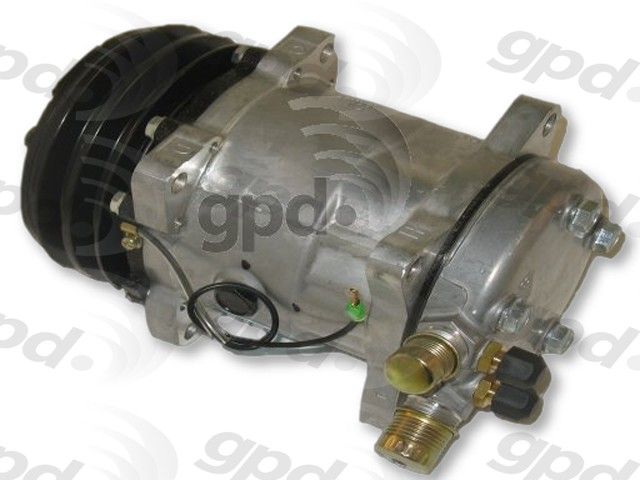
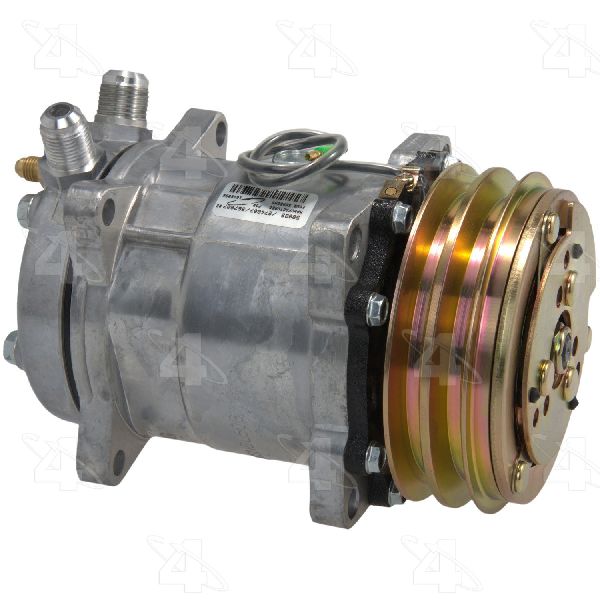
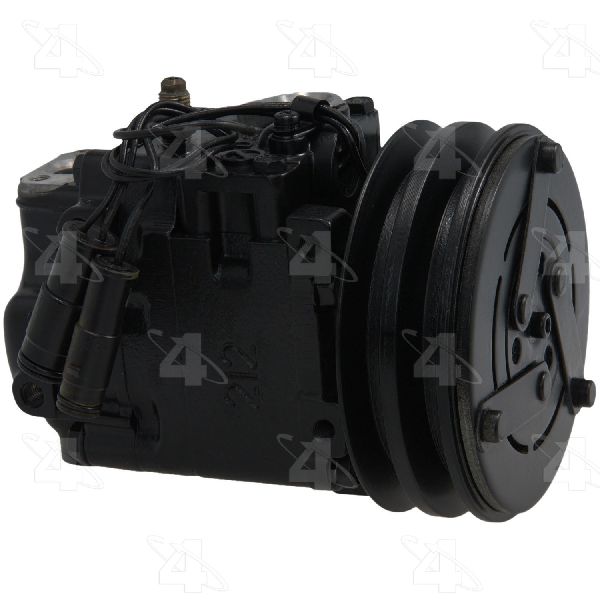
- New OEM parts are no longer available; new aftermarket parts from brands like Four Seasons or GPD are the most common replacement choice.
Understanding Your DL's A/C System: R12 vs. R134a
Your 1980-1988 Subaru DL was originally equipped with an A/C system that used R12 refrigerant. R12 is no longer manufactured or widely available, so any A/C repair today almost always involves converting the system to the modern R134a standard. This is important because a new aftermarket compressor is designed for R134a and its compatible oils (PAG or Ester). Simply installing a new compressor without properly converting the system will lead to premature failure.
Symptoms of a Failing A/C Compressor
When your A/C compressor starts to fail, it will give you clear warning signs. Ignoring them can lead to a more expensive repair if the compressor breaks apart internally and sends metal shavings through the entire system.
- No Cold Air: This is the most common symptom. The fan blows, but the air coming out of the vents is warm or room temperature. This means the compressor isn't pressurizing the refrigerant.
- Loud Grinding or Squealing Noises: A high-pitched squeal or a grinding sound when you turn the A/C on points to failing internal bearings. If the compressor seizes completely, it can cause the drive belt to squeal loudly or even break.
- The Clutch Doesn't Engage: The front of the compressor has a clutch that should click and start spinning when you turn on the A/C. If this clutch doesn't move, the compressor isn't receiving power or has failed internally. On some older Subarus, a faulty rotation sensor on the compressor can also prevent it from engaging.
Choosing the Right Aftermarket Compressor
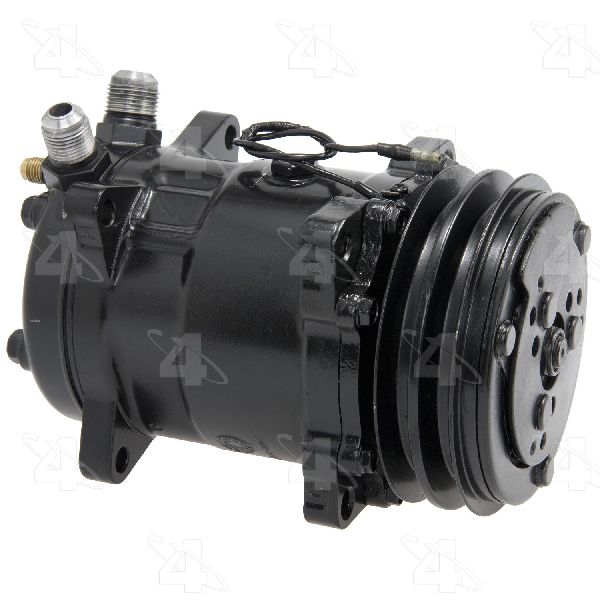
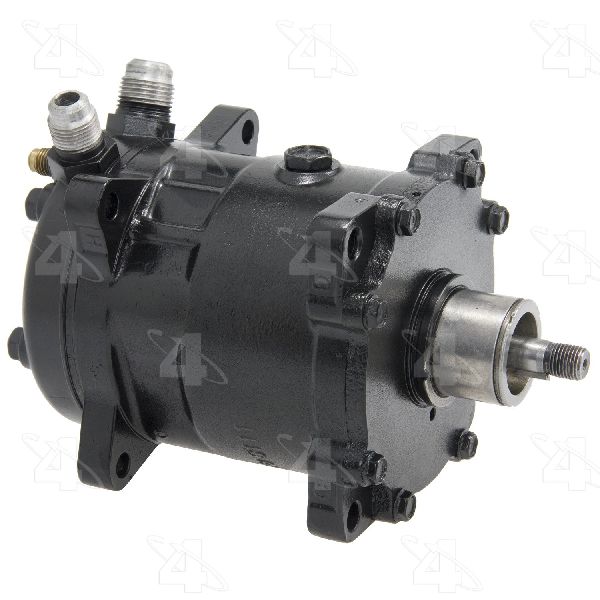
For a vehicle as old as the 1980-1988 DL, finding a new original equipment (OEM) compressor is nearly impossible. Your realistic options are new aftermarket, remanufactured, or a used part from a junkyard. Given the risk of a used part failing quickly, a new aftermarket compressor is usually the most reliable choice.
Pro Tip: Replace More Than Just the Compressor
When a compressor fails, it can contaminate the A/C system with debris. To ensure your new compressor lasts, you must also replace the receiver/drier (also called an accumulator) and the expansion valve. The entire system should also be professionally flushed to remove old oil and any contaminants before installing the new parts. Skipping this step is the number one cause of repeat failures.
Available Aftermarket Brands
Two common brands you will find are Four Seasons and Global Parts Distributors (GPD).
- Four Seasons: This is a widely available brand. Customer reviews are often mixed; some users report them working for years without issue, while others have experienced early failures or received defective parts. They are generally considered a budget-friendly option that can be a good value if installed correctly.
- Global Parts (GPD): GPD is a large aftermarket supplier that aims to meet original equipment specifications. While direct reviews are less common, they are a known quantity in the industry. GPD emphasizes proper installation procedures, like flushing the system, to ensure longevity.
A/C Compressor Replacement Costs for Subaru DL
The cost to replace the A/C compressor depends on whether you do some of the work yourself and the rates of your local repair shop. The refrigerant must be legally recovered and recharged by a certified technician.
| Part or Service | Estimated Cost |
|---|---|
| New Aftermarket Compressor | $159.93 - $285.39 |
| Shop Labor (Mechanical Swap) | $300 - $600 |
| A/C Evacuate & Recharge Service | $150 - $250 |
| Total Professional Job | $750 - $1,500+ |
Warning: Refrigerant Handling
It is illegal to release A/C refrigerant into the atmosphere. The system must be evacuated with a special recovery machine before you begin work, and vacuumed and recharged by a professional after the parts are installed. Do not attempt to open the system yourself unless it has been properly evacuated by a certified shop.
Frequently Asked Questions (FAQ)
Is replacing the A/C compressor a DIY job?
The mechanical part of swapping the compressor can be done by a skilled DIY mechanic. However, you are legally required to have a certified shop evacuate the refrigerant before you start and professionally vacuum and recharge the system after you are done. For this reason, it is often not a full DIY project.
Do I have to convert my system from R12 to R134a?
Yes. Since R12 is no longer available, you must convert the system to use R134a. This involves installing new service port fittings, replacing all rubber O-rings with R134a-compatible ones (nitrile), and using the correct type of oil (PAG or Ester) for your new compressor.
My compressor seized. Can I just cut the belt and keep driving?
On many older Subarus, the A/C compressor has its own dedicated drive belt. If this is the case on your DL, you can typically remove the belt and continue driving the car without A/C. However, if it uses a single serpentine belt for all accessories, you cannot drive it with a seized compressor, as it will break the belt and cause the alternator and power steering to stop working.
Are there any recalls on the 1980-1988 Subaru DL A/C compressor?
No. Searches of the National Highway Traffic Safety Administration (NHTSA) database and other records show no recalls or technical service bulletins (TSBs) specifically for the A/C compressor on the 1980-1988 Subaru DL.
Technical Specifications
Original System Refrigerant: R12. All replacement compressors will be for systems converted to R134a.
We Have This Part in Stock

The information in this article is provided for general reference and educational purposes only. Vehicle specifications, procedures, and part compatibility can vary by production date, trim level, and region. Always consult your vehicle's factory service manual and verify part numbers before purchasing or performing repairs. Safety-critical components such as airbags, seat belts, and braking systems should be installed by a qualified professional.
- Subaru DL: