

Your Guide to the 1980-1987 Audi 4000 Alternator
Keep your classic Audi's electrical system healthy by choosing the right new alternator.
- Verify your car's required amperage (55A, 65A, or 90A) before buying a replacement.
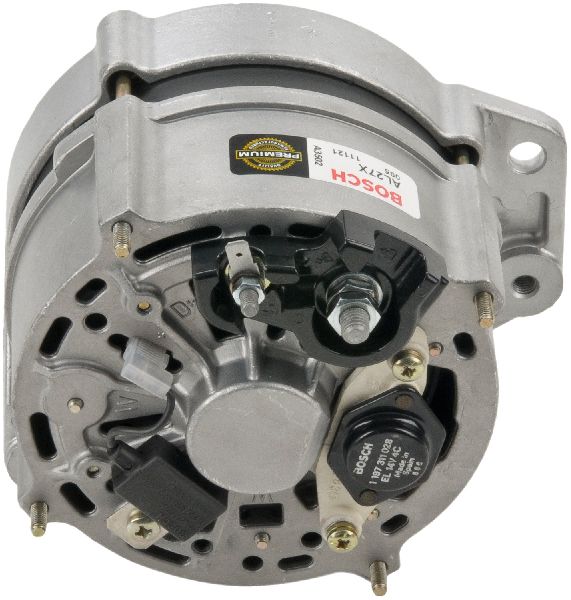
- A new Bosch alternator offers the best quality and reliability, similar to the original part.
- Symptoms like dimming lights and a battery warning light are clear signs of a charging system problem.
- You can drive with a failing alternator for a very short time until the battery is completely drained.
Signs of a Failing Alternator in Your Audi 4000
On a classic car like the Audi 4000, alternator failure gives clear warning signs. Because the electrical system is simpler than on modern cars, you can often spot the problem before you get stranded. Watch for these symptoms:
- Dimming or Flickering Lights: Headlights and dashboard lights may dim, especially at idle, and brighten as you rev the engine. This is a classic sign of a weak alternator.
- Battery Warning Light: A battery icon on your dash means there's a problem in the charging system. Don't ignore it, even if it flickers on and off.
- Whining or Grinding Noises: A high-pitched whine or a grinding sound from the engine bay can indicate failing bearings inside the alternator.
- Weak or Dead Battery: If your car is hard to start or the battery dies repeatedly, the alternator may not be recharging it properly.
Don't Mistake a Bad Battery for a Bad Alternator
A bad battery and a bad alternator have similar symptoms. A simple test can help tell them apart. With the engine off, a healthy battery should read about 12.6 volts on a multimeter. With the engine running, the voltage should jump to between 13.8 and 14.8 volts. If the voltage doesn't increase when the engine is on, your alternator is likely the problem.
Choosing the Right Aftermarket Alternator
Finding a brand-new OEM alternator from Audi for a car of this age is nearly impossible. The market consists of new aftermarket and remanufactured parts. For a critical component like this, investing in a quality new aftermarket unit is a smart choice for reliability.
Brand Quality Tiers
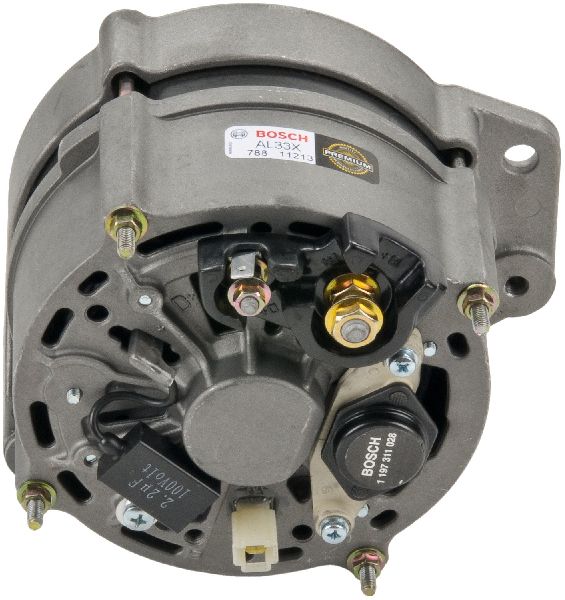
- Premium (OEM-Equivalent): Bosch
Bosch was a major original equipment supplier for German cars in the 1980s. Choosing a new Bosch alternator is the closest you can get to the original part's quality and fitment. They are known for reliability and are highly recommended by mechanics for European vehicles. - Standard (Quality Aftermarket): Remy
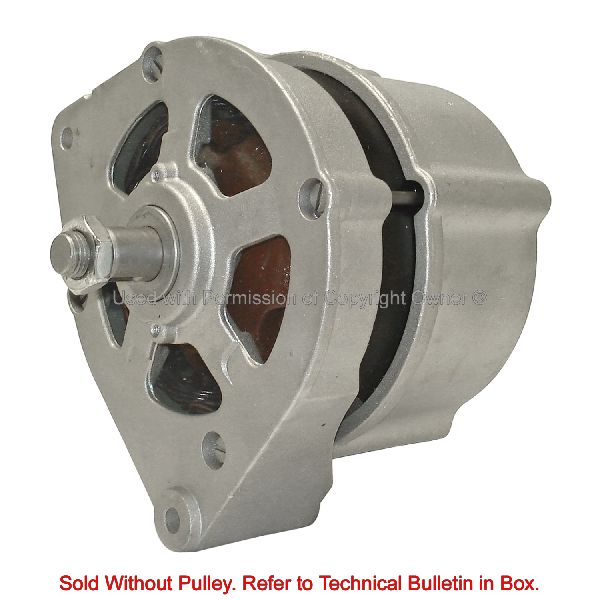
Remy is a well-known aftermarket brand that offers a good balance of price and performance. While generally reliable, some user forums mention occasional defects, so be sure to check the warranty. It's a solid choice if a Bosch unit isn't in the budget. - Economy: BBB Industries, MPA
These brands are major suppliers of aftermarket parts and often provide the most budget-friendly options. They are typically remanufactured units that meet original specifications. While they can be a good value, they are best suited for owners on a tight budget who need a functional replacement.
Check Your Amperage!
The Audi 4000 was available with different alternators depending on the engine and options like air conditioning. Amperage ratings typically ranged from 55 to 90 amps. Before ordering, confirm the required amperage for your specific vehicle to ensure your electrical system functions correctly. Using an underpowered alternator can lead to premature failure.
Frequently Asked Questions
Can I install a higher-amperage alternator?
Yes, you can often upgrade to a higher-amperage alternator, such as from 65A to 90A, as long as it physically fits. This can be a good idea if you have added modern accessories like a powerful stereo or extra lighting. However, for a stock vehicle, matching the original amperage is perfectly fine.
Is it hard to replace the alternator on an Audi 4000 myself?
For a DIY mechanic with the right tools, it's a manageable job. Access is relatively good compared to modern cars. You will need to loosen the alternator to remove the accessory belt, unbolt the unit, and disconnect the wiring. The key is having the correct wrenches (13mm and 22mm are common) to work the tensioning mechanism. The job typically takes 1.5 to 2.5 hours.
What's the difference between a new and a remanufactured alternator?
A new alternator is made with all-new components. A remanufactured alternator starts with an old unit (the 'core'), which is disassembled, cleaned, and rebuilt with new wear items like bearings, brushes, and the voltage regulator. High-quality remanufactured units from brands like Bosch or Remy are tested to meet or exceed original specs and can be a great value.
My battery keeps dying, but the alternator tested good. What else could it be?
If the alternator and battery are both good, you may have a 'parasitic drain'. This is when an electrical component continues to draw power even when the car is off, slowly draining the battery. Common culprits can be faulty relays, aftermarket stereos, or interior lights that don't shut off.
Technical Specifications
OEM Part Numbers: 049903017A 068-903-017-EX 068-903-803-DX
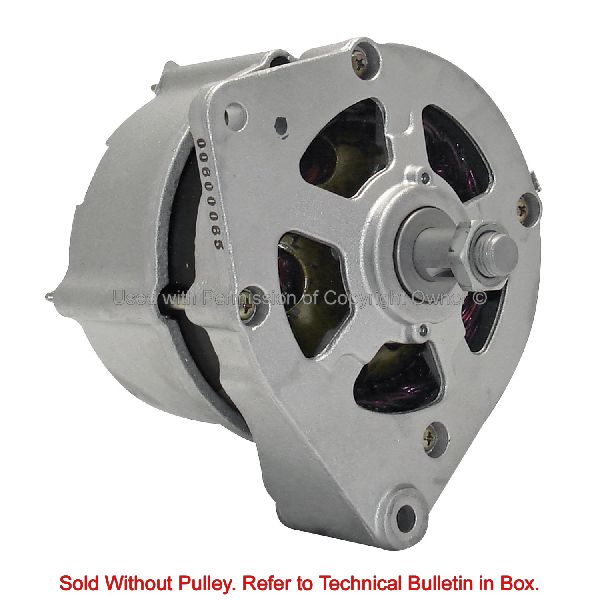
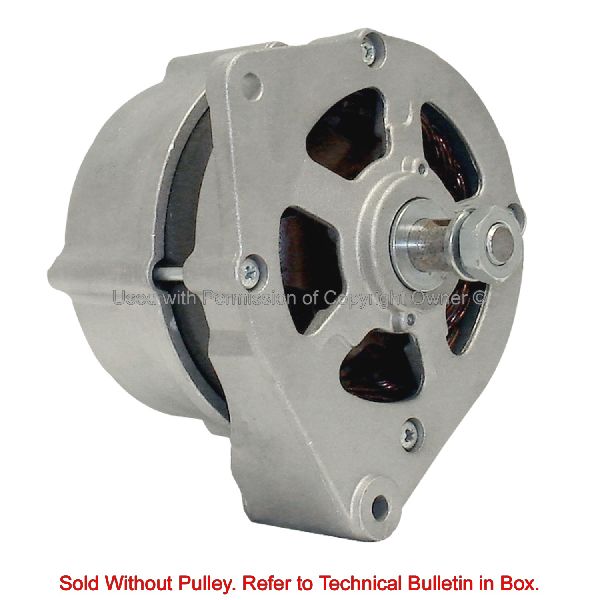
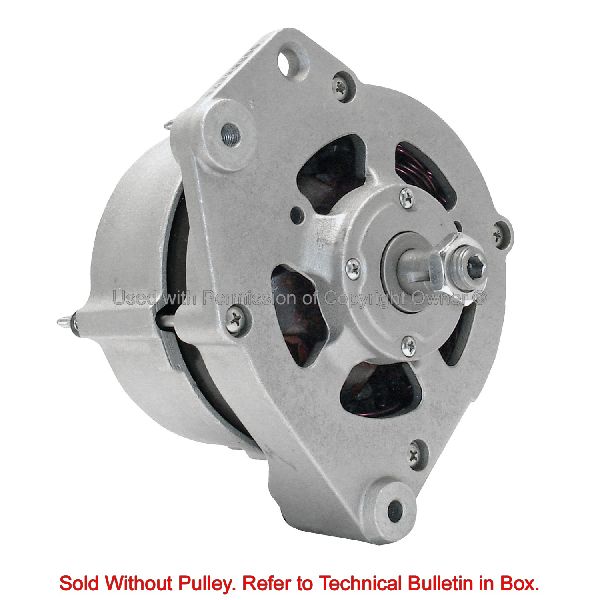
Amperage: 55A, 65A, or 90A depending on engine and vehicle options. Voltage: 12V. Pulley Type: V-Belt.
We Have This Part in Stock

The information in this article is provided for general reference and educational purposes only. Vehicle specifications, procedures, and part compatibility can vary by production date, trim level, and region. Always consult your vehicle's factory service manual and verify part numbers before purchasing or performing repairs. Safety-critical components such as airbags, seat belts, and braking systems should be installed by a qualified professional.
- Audi 4000: