

Ford F-250 Crankshaft Position Sensor Confusion (1980-1986)
Your 1980-1986 F-250 does not have a crankshaft position sensor; here's what it uses instead.
- Your 1980-1986 F-250 does not have a modern crankshaft position sensor.
- The part you need is the pickup coil (PIP sensor) located inside the distributor.
- Online parts catalogs often mislabel the distributor pickup coil as a 'crankshaft sensor'.
- Replacing the entire distributor is often a simpler and more comprehensive repair.
Understanding Your 1980-1986 F-250's Ignition
If you're searching for an Engine Crankshaft Position Sensor for your 1980-1986 Ford F-250, you've likely run into some confusing information. Let's clear it up: these trucks do not have a crankshaft position sensor in the way modern vehicles do. The entire 1980-1986 "Bullnose" generation of Ford trucks used a distributor to manage ignition timing.
The part that actually senses the engine's rotation is located inside the distributor. It is commonly called a pickup coil, stator, or, in Ford's terminology, a Profile Ignition Pickup (PIP) sensor. This sensor does the job that a separate crank sensor does on newer cars. When this part fails, you get symptoms like a no-start or stalling, which are often associated with crank sensor failure on other vehicles.
Common Parts Catalog Errors
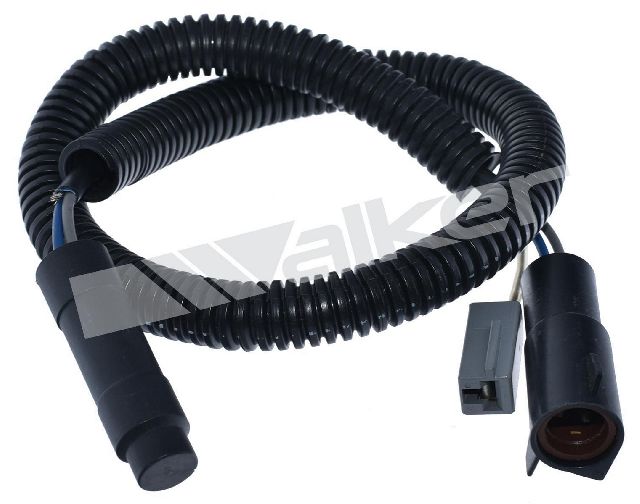
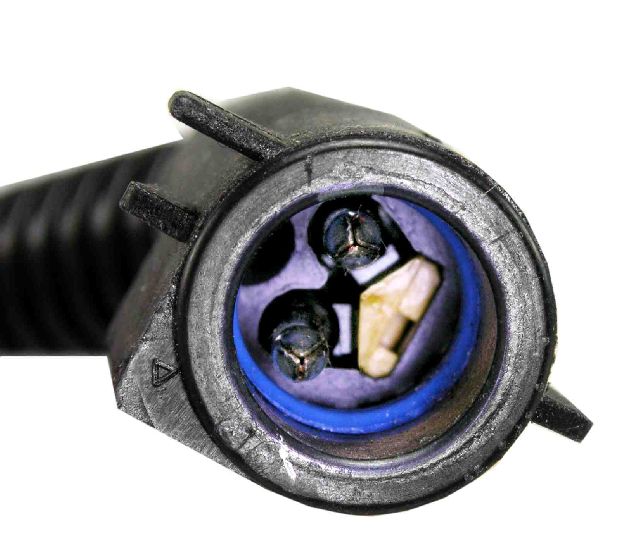
You may see parts from brands like NGK, Standard Ignition, or Walker Products listed online as a "Crankshaft Position Sensor" for your truck. This is a common cataloging error. The parts shown are almost always the pickup coil that resides inside the distributor. You are not buying a separate sensor that bolts onto the engine block or timing cover.
Symptoms of a Failing Distributor Pickup Coil
If the pickup coil inside your distributor is failing, it can cause a number of engine problems. Because it is the primary signal for the ignition system, a bad pickup coil will prevent the truck from running correctly, or at all.
- Engine Will Not Start: The most common symptom. The ignition module receives no signal, so it cannot create a spark.
- Stalling: The engine may run for a while, but as it heats up, the sensor can fail, causing the engine to stall suddenly. It may restart after cooling down.
- Intermittent Spark: You may have spark sometimes and not others, leading to frustrating and inconsistent starting issues.
- No RPM Signal: If you have a tachometer, it may not move at all while cranking the engine if the pickup coil is dead.
Choosing the Right Part
Since you are not replacing a true crankshaft sensor, you are looking for a distributor pickup coil. When it comes to ignition components for these older Ford trucks, quality is important.
- Standard Ignition (SMP): Often considered a reliable aftermarket choice for ignition components. Their parts generally have a good reputation for fit and function.
- NGK: While famous for spark plugs, their sensor line is also well-regarded. An NGK-branded pickup coil is a solid option.
- Walker Products: Another established aftermarket brand that produces a wide range of engine management components.
Pro Tip: For a vehicle of this age, some mechanics prefer to replace the entire distributor as a single unit rather than just the internal pickup coil. A new or remanufactured distributor will come with a new pickup coil, cap, rotor, and potentially a new ignition module, addressing multiple potential failure points at once.
Frequently Asked Questions
Where is the crankshaft position sensor on a 1980-1986 Ford F-250?
It does not have one. The functionally equivalent part, the pickup coil (or PIP sensor), is located inside the base of the distributor.
Why do parts stores sell a crank sensor for my truck if it doesn't have one?
This is a common error in parts catalogs. They mislabel the distributor's internal pickup coil as a "crankshaft position sensor." The part they are selling replaces a component inside your distributor, not a sensor on your engine block.
Is it hard to replace the distributor pickup coil?
Replacing the pickup coil requires removing the distributor from the engine and then disassembling it on a workbench. This can be a moderately difficult job because you must be very careful to mark the engine timing and distributor position before removal to ensure it goes back in correctly. Failure to do so will result in the engine not starting or running very poorly.
Should I buy an aftermarket or OEM part?
New OEM (Motorcraft) distributor components for a vehicle of this age are extremely rare. A high-quality aftermarket part from a reputable brand like Standard Ignition or NGK is a perfectly acceptable and often the only available option.
Technical Specifications
OEM Part Numbers: E0AE6C315A1A E0AZ6C315A E3TZ6B321B
This part is the distributor pickup coil, also known as a PIP sensor or stator. It is not a standalone crankshaft position sensor.
We Have This Part in Stock


The information in this article is provided for general reference and educational purposes only. Vehicle specifications, procedures, and part compatibility can vary by production date, trim level, and region. Always consult your vehicle's factory service manual and verify part numbers before purchasing or performing repairs. Safety-critical components such as airbags, seat belts, and braking systems should be installed by a qualified professional.
- Ford F-250: