

1980-1986 Chevrolet Impala Automatic Transmission Mount Replacement Guide
Stop the clunking and vibrations in your classic Impala by replacing your worn-out transmission mount.
- Symptoms of a bad mount include clunking noises when shifting, vibrations, and excessive engine movement.
- Replacement is a simple, one-hour DIY job for most owners with a jack and basic tools.
- Choose a standard rubber mount (Anchor, DEA, Westar) for a quiet, factory-like ride.
- Choose a polyurethane mount (Prothane, Daystar) for durability and performance, but expect more cabin vibration.
Is Your Impala's Transmission Mount Failing?
After decades of service, the original rubber on your transmission mount has likely seen better days. Heat, oil, and time cause the rubber to get hard, crack, or turn into a soft, mushy mess. When this happens, the transmission is no longer held securely. You'll start to notice some clear signs that it's time for a replacement.
Key Symptoms of a Bad Mount:
- Clunking Noises: The most common symptom is a loud "clunk" or "thud" when you shift from park into drive or reverse. You might also hear it when you accelerate hard or let off the gas suddenly. This is the sound of the transmission moving and hitting the frame.
- Excessive Vibrations: If you feel new or worsening vibrations through the floor or seats, especially while idling or accelerating, the mount's rubber is probably no longer absorbing them.
- Engine and Shifter Movement: A bad mount allows the entire engine and transmission to rock back and forth. You might see the gear shifter jump or feel the engine lurch when you step on the gas.
Don't Ignore a Bad Mount
While you can still drive the car, a failed mount puts extra stress on other parts. It can lead to damaged engine mounts, exhaust system leaks, and even U-joint or driveshaft problems if left unchecked for too long.
Choosing the Right Aftermarket Mount
Since original GM parts for this era are largely unavailable, the aftermarket is your best source. For the 1980-1986 Impala, mounts fall into two main categories: standard rubber and performance polyurethane.
Tier 1: Standard Replacement (Rubber)
Brands: Anchor, DEA, Westar, Pioneer
These brands offer direct, OEM-style replacements made with rubber. They are designed to restore the original ride quality and are very affordable. For a daily driver or a classic restoration aiming for factory comfort, a standard rubber mount is the best choice. Forum discussions and reviews suggest that while these brands are budget-friendly, quality can sometimes be inconsistent. However, for a stock V6 or V8 Impala, they are generally considered adequate and will get the job done.
Tier 2: Performance & Heavy Duty (Polyurethane)
Brands: Prothane, Daystar, Lakewood
Polyurethane is a much stronger material than rubber. These mounts are built for performance and durability, designed to handle more power and limit drivetrain movement much more effectively. This is a great upgrade if you have a modified engine or use your Impala for more spirited driving. The downside is a noticeable increase in cabin noise and vibration (often called NVH - Noise, Vibration, and Harshness). Polyurethane transmits more of the transmission's mechanical sounds into the car's frame, which some drivers find annoying for a daily-driven car.
Pro-Tip: Rubber or Polyurethane?
If your priority is a quiet, comfortable ride like the car had when it was new, stick with a standard rubber mount. If you want improved throttle response, a more connected feel, and a mount that will last longer under high-performance conditions, choose polyurethane and be prepared for more vibration.
| Part Type | Estimated Cost |
|---|---|
| New Aftermarket (Rubber) | $10.99 - $25.00 |
| New Aftermarket (Polyurethane) | $25.00 - $34.29 |
| Shop Labor for Installation | $75 - $150 |
Frequently Asked Questions
Is replacing a transmission mount a good DIY job?
Yes, for most home mechanics with a decent set of tools, this is a very feasible job. The process involves supporting the transmission with a floor jack and a block of wood, unbolting the old mount from the crossmember and transmission, and bolting the new one in place. It typically takes about an hour.
Do I need to replace my engine mounts at the same time?
It's highly recommended to inspect your engine mounts when you replace the transmission mount. If the transmission mount has failed due to age, the engine mounts are likely in similar condition. Replacing them all at once ensures the entire drivetrain is properly aligned and dampened.
Are there any recalls for the 1980-1986 Impala transmission mount?
No. Searches of the NHTSA database show no recalls or technical service bulletins (TSBs) related to the transmission mount for this specific vehicle generation. Any recalls found are for much newer Impala models.
Will a polyurethane mount make my car uncomfortably loud?
It depends on your tolerance. A polyurethane mount will transmit more drivetrain noise and vibration into the cabin compared to rubber. For a street car, it creates a more raw, mechanical feel. Some drivers like it, while others find the constant drone or vibration at certain speeds to be too harsh for daily driving.
Technical Specifications
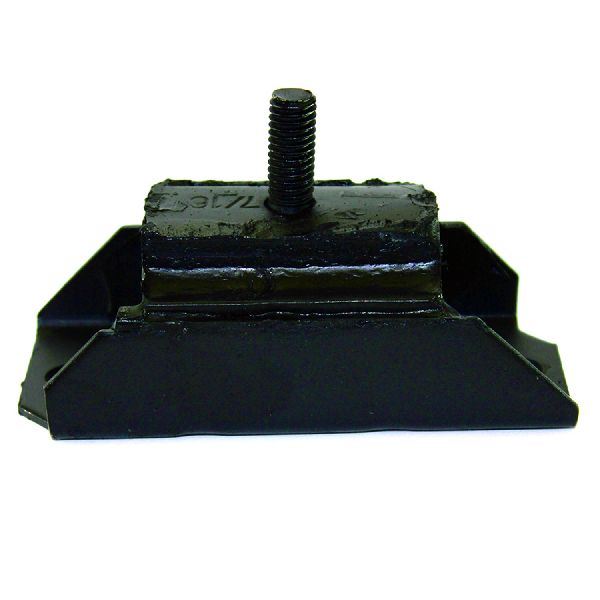
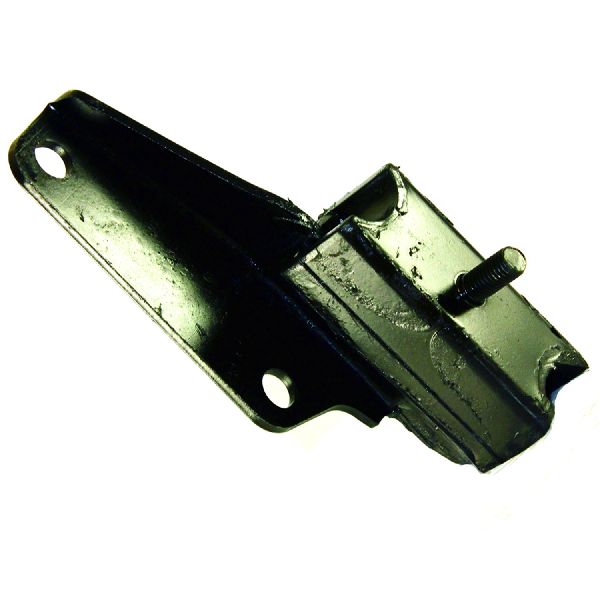
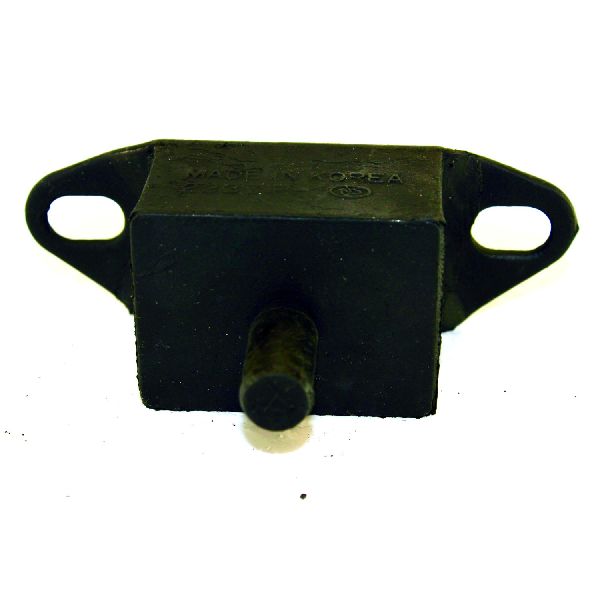
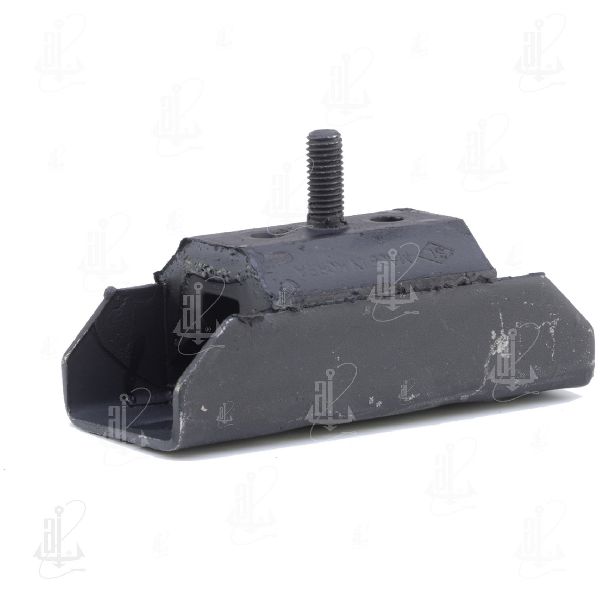
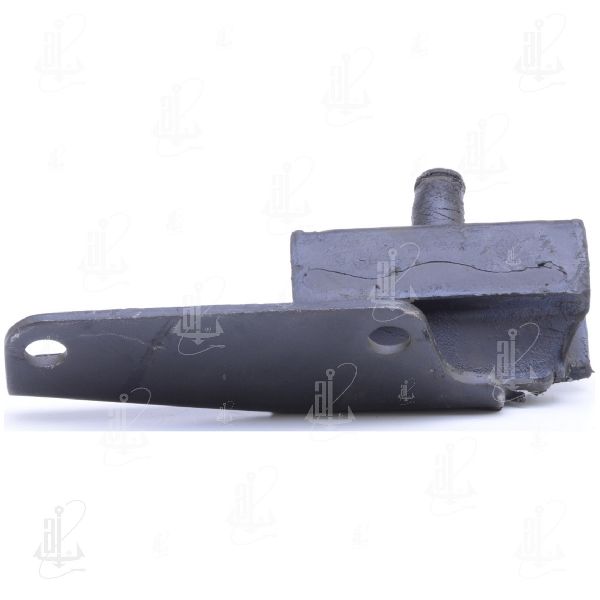
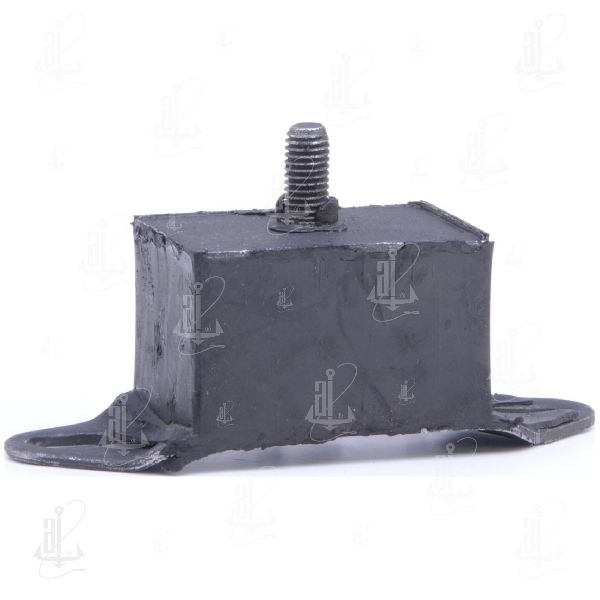
The 1980-1986 Impala uses a single, standard GM-style rectangular transmission mount with a single stud on the bottom and two bolt holes on the top bracket. It bolts to a removable transmission crossmember.
We Have This Part in Stock

The information in this article is provided for general reference and educational purposes only. Vehicle specifications, procedures, and part compatibility can vary by production date, trim level, and region. Always consult your vehicle's factory service manual and verify part numbers before purchasing or performing repairs. Safety-critical components such as airbags, seat belts, and braking systems should be installed by a qualified professional.
- Chevrolet Impala: