

Chevrolet C50 Automatic Transmission Mount: A Guide for 1980-1986 Models
If you're hearing a clunk when you shift gears, your transmission mount is the likely cause.
- A loud 'clunk' when shifting is the #1 sign of a bad transmission mount.
- Available aftermarket brands like Anchor and DEA are economy-focused; they are a cheap fix but may not offer the longevity of the original part.
- Replacing the mount is a simple, one-hour DIY job for most owners with a jack and basic hand tools.
- Driving with a bad mount can cause damage to other parts like engine mounts and exhaust connections.
Why Transmission Mounts Fail on a 1980-1986 C50
After 40-plus years of service, the original rubber on your truck's transmission mount has likely worn out. The combination of engine heat, potential oil leaks, and simple aging causes the rubber to become hard, brittle, and cracked. It can also turn soft and mushy. When this happens, the mount can no longer support the transmission's weight or absorb vibrations effectively, leading to a number of noticeable problems.
Symptoms of a Failing Transmission Mount
When your C50's transmission mount is bad, the signs are usually obvious. You don't need to be a mechanic to notice something is wrong. Here’s what to look and listen for:
- Clunking or Banging Noises: This is the most common symptom. You'll hear a loud "clunk" or "thud" when you shift from Park into Drive or Reverse. The noise can also happen when you accelerate quickly or brake hard. This is the sound of the transmission lifting or shifting and hitting the truck's frame.
- Excessive Vibrations: A good mount absorbs drivetrain vibrations, but a failed one passes them right into the cab. You may feel a new or worsening vibration through the floorboards and seat, especially when idling in gear or accelerating.
- Drivetrain Movement: You may be able to see the engine and transmission assembly rock excessively when shifting gears or revving the engine. A helper can put the truck in gear with the brake held firmly while you safely watch the engine bay for excessive movement.
Choosing the Right Aftermarket Mount: Anchor vs. DEA
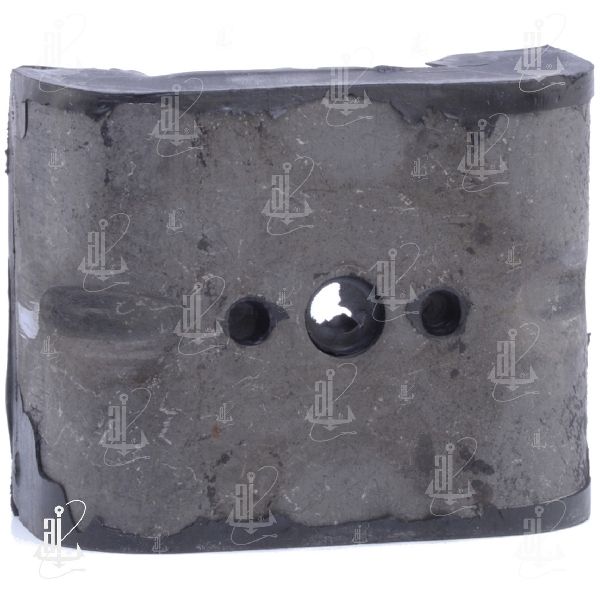
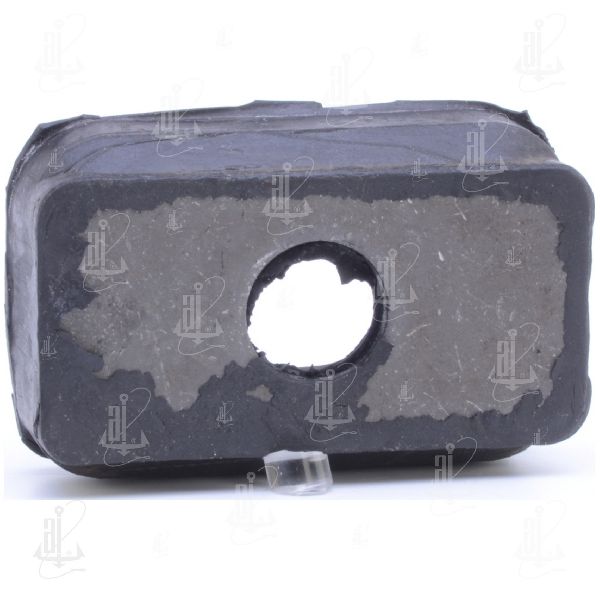
For a vehicle from this era, Original Equipment Manufacturer (OEM) parts are typically discontinued. The market consists of aftermarket brands. For the 1980-1986 C50, the most common options are from brands like Anchor and DEA.
Brand Quality Tiers
| Brand | Tier | Our Assessment |
|---|---|---|
| Anchor, DEA | Economy / Standard Replacement | These brands provide a functional, low-cost solution. Forum discussions show mixed experiences; some users report they work fine for years, while others have experienced premature failure, poor fitment, or harder rubber that increases cabin vibration. For a work truck like the C50, they are an affordable way to fix the problem, but may not last as long as the original part did. |
Pro Tip: Before installing a new mount, check for and repair any oil leaks from the engine or transmission. Leaking fluid will saturate the new rubber mount and cause it to fail prematurely.
Frequently Asked Questions (FAQ)
Is replacing a transmission mount a DIY job?
Yes, for most people with basic tools, this is a straightforward DIY project. The process involves safely supporting the transmission with a floor jack and a block of wood, unbolting the old mount from the crossmember and transmission, and installing the new one. The entire job can typically be done in about an hour.
What happens if I don't replace a bad transmission mount?
While you can drive the vehicle, it's not recommended for long. A bad mount puts extra stress on other expensive components. This includes the engine mounts, exhaust pipes and manifolds, cooling fan and shroud, and driveshaft U-joints. Ignoring it can lead to more costly repairs down the road.
How can I check if my mount is bad?
You can perform a visual inspection by looking for cracked, separated, or oil-soaked rubber. You can also test for movement. With the vehicle securely on jack stands and the parking brake on, use a pry bar to gently check for excessive play in the mount. Another method is to have a helper hold the brakes, shift into Drive, and lightly apply the gas while you watch to see if the transmission lifts up. Be extremely careful when performing this test.
Are there any recalls or TSBs for this part?
No, there are no active recalls or Technical Service Bulletins (TSBs) from Chevrolet or the NHTSA for the automatic transmission mount on the 1980-1986 C50. Issues with this part are due to normal wear and tear over several decades.
Technical Specifications
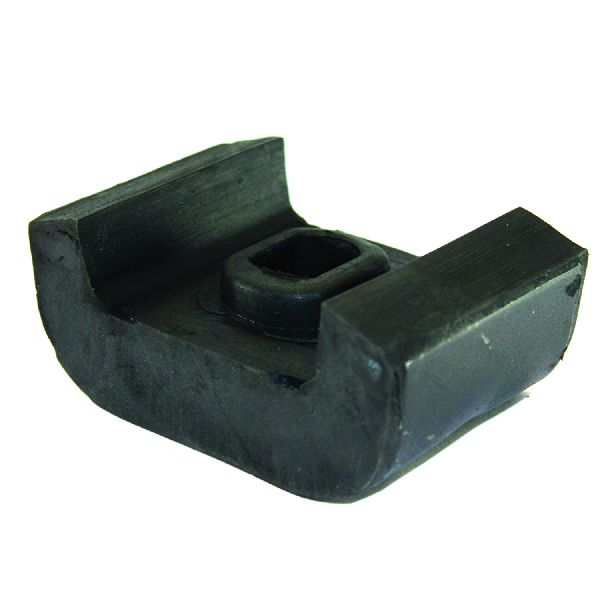
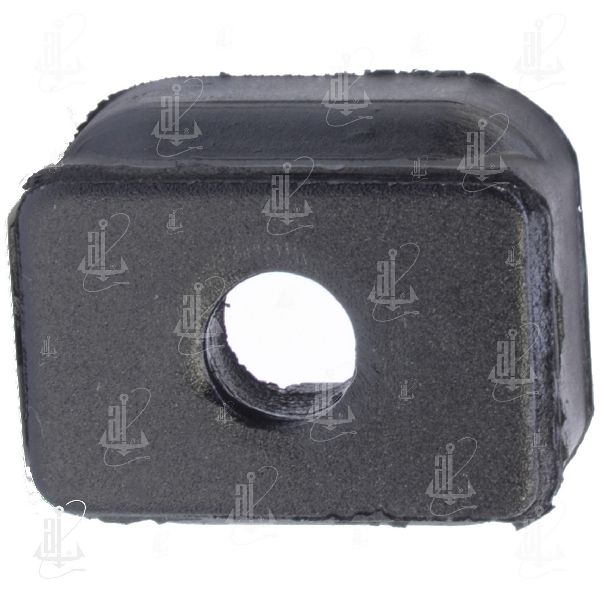
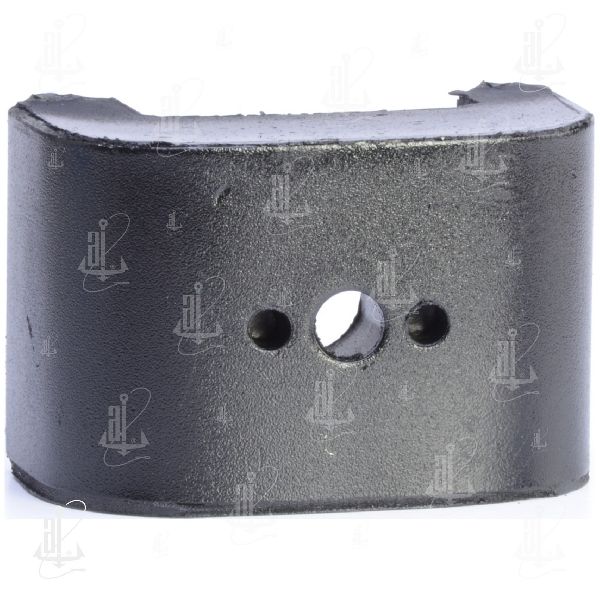
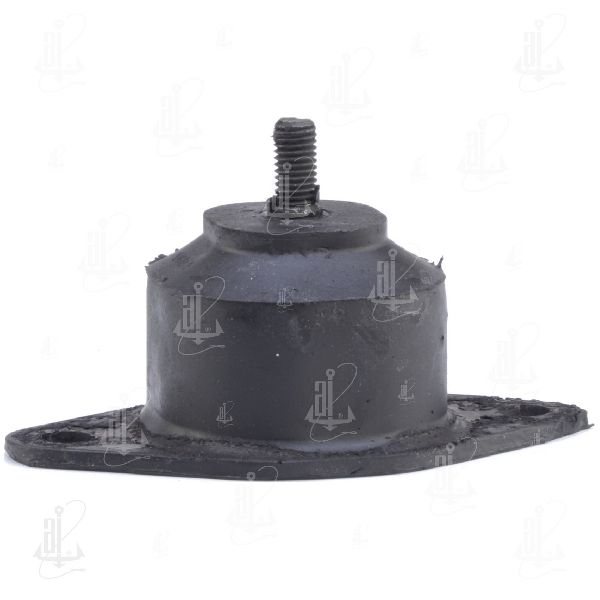
Standard replacement mounts for this vehicle are made of steel with a solid rubber block to absorb vibration.
We Have This Part in Stock

The information in this article is provided for general reference and educational purposes only. Vehicle specifications, procedures, and part compatibility can vary by production date, trim level, and region. Always consult your vehicle's factory service manual and verify part numbers before purchasing or performing repairs. Safety-critical components such as airbags, seat belts, and braking systems should be installed by a qualified professional.
- Chevrolet C50: