

Transmission Filter Kit Guide for the 1980-1983 Dodge Challenger
Keep your classic Challenger's automatic transmission shifting smoothly with the right filter kit.
- This Challenger was built by Mitsubishi and requires a specific transmission filter; parts for other Mopar vehicles will not fit.
- Symptoms of a bad filter include harsh shifting, whining noises, and a burning smell.
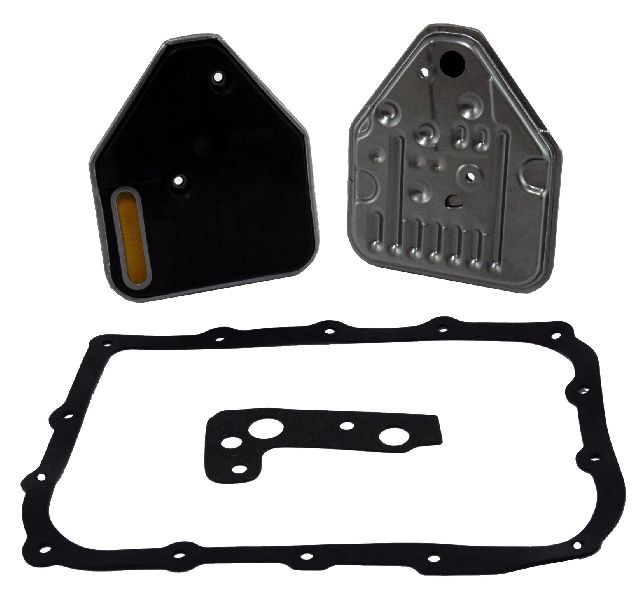
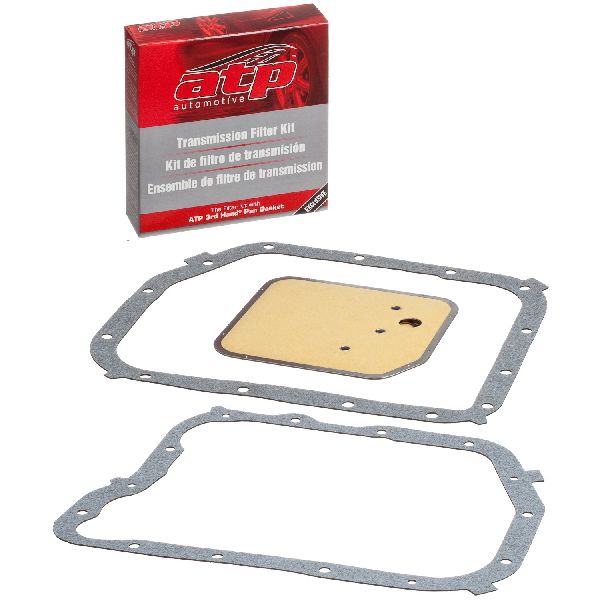
- Wix and ATP are reputable aftermarket brands for this part, but pay attention to gasket quality upon arrival.
- Regularly changing the filter and fluid is a critical maintenance task to ensure the longevity of the automatic transmission.
Understanding Your Challenger's Transmission
The 1980-1983 Dodge Challenger is a unique vehicle. Unlike the first-generation muscle car, this second-generation model was built by Mitsubishi in Japan. This means it does not use a traditional Chrysler Torqueflite transmission. Instead, it is equipped with a Mitsubishi-designed three-speed automatic transmission. This is a critical detail when ordering parts, as a filter kit for a V8 Mopar of the same era will not fit. The model years for this generation are 1978-1983; there was no 1984 Dodge Challenger produced.
Symptoms of a Clogged Transmission Filter
A dirty or clogged transmission filter can cause several noticeable problems. If you experience any of these symptoms, it's time to inspect your transmission fluid and filter. Ignoring these signs can lead to more severe and costly transmission damage.
- Delayed or Harsh Shifting: The transmission may hesitate or jerk when shifting between gears.
- Whining or Humming Noises: Strange noises from the transmission area can indicate the pump is struggling to pull fluid through a clogged filter.
- Slipping Gears: The transmission may unexpectedly pop out of gear while driving.
- Leaking Fluid: A leak can sometimes be traced back to a bad pan gasket, which is replaced as part of the filter kit.
- Burning Smell: A burnt toast smell can indicate the transmission fluid is overheating, a condition made worse by a clogged filter restricting flow.
Check for Leaks
After a filter change, always check for leaks around the transmission pan. A new gasket should seal perfectly, but it's wise to monitor it for the first few drives. Some aftermarket gaskets are known to be of lesser quality than the filter itself.
Choosing the Right Aftermarket Filter Kit
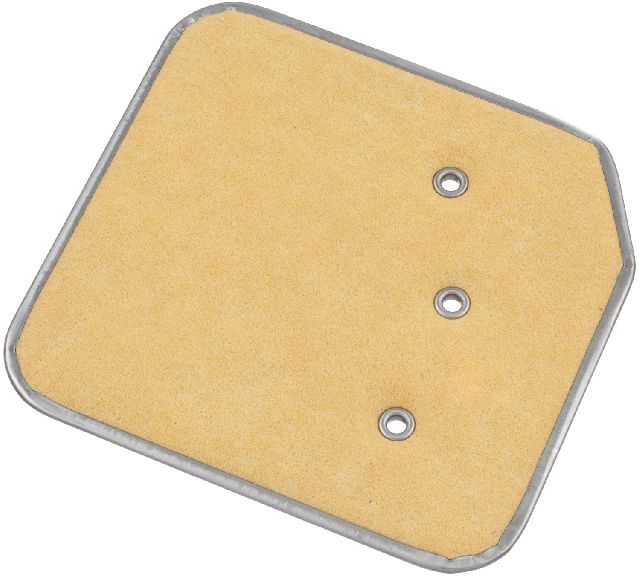
Since original equipment manufacturer (OEM) parts for this vehicle are scarce, the aftermarket is your primary source. The brands available—Wix, ATP, and Pioneer—are all established names in the auto parts industry.
- Wix: Generally considered a high-quality filter brand, often compared favorably to OEM parts. Mechanics and DIYers trust Wix for its consistent fit and performance.
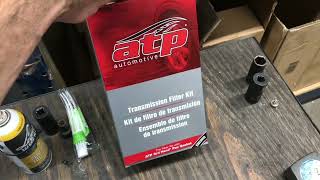
- ATP (Automatic Transmission Parts): A long-standing brand specializing in transmission components. They are well-regarded, and many users have had good experiences with their filters. Some ATP kits include a special "third hand" gasket with undersized holes to hold bolts in place during installation 🎬 See how the ATP 3rd Hand gasket simplifies your installation., which can be helpful. However, be aware of occasional complaints about gaskets being folded and damaged in the packaging.
- Pioneer: This company produces a wide range of automotive parts. Their transmission components are generally seen as reliable, stock-level replacements. They are a viable option for a standard daily driver.
Pro Tip: Gasket Quality
The gasket is just as important as the filter. Some mechanics prefer to use a high-quality standalone gasket or a thin layer of a transmission-specific sealant (RTV) with the new gasket, depending on the pan and gasket type. Always follow the manufacturer's instructions.
| Part/Service | Estimated Cost |
|---|---|
| New Aftermarket Transmission Filter Kit | $15 - $60 |
| Transmission Fluid (4-5 quarts) | $30 - $70 |
| Shop Labor | $100 - $200 |
Frequently Asked Questions (FAQ)
How often should I change my transmission filter?
For a vehicle of this age, a good rule of thumb is to change the transmission fluid and filter every 30,000 to 50,000 miles, or if you notice any symptoms of a clogged filter. Regular changes are key to longevity.
Is this a difficult job to do myself?
For a moderately experienced DIYer, this is a manageable job. It involves draining the transmission fluid, dropping the transmission pan, replacing the filter and gasket, and refilling with the correct type and amount of fluid. It can be messy, so be prepared.
What kind of transmission fluid do I need?
Your 1980-1983 Challenger requires a specific type of Automatic Transmission Fluid (ATF). Always consult your owner's manual or a reliable service manual for the exact fluid specification (e.g., DEXRON or a specific Mopar fluid). Using the wrong fluid can cause serious damage.
Are there any recalls on the transmission for this car?
Searches of the National Highway Traffic Safety Administration (NHTSA) database did not show any open recalls specifically for the transmission filter or widespread transmission failures for the 1980-1983 Dodge Challenger. Most recalls for the Challenger nameplate apply to much newer generations.
Helpful Videos
Technical Specifications
Fits 1980, 1981, 1982, and 1983 Dodge Challenger models with the 2.6L engine and 3-speed automatic transmission.
We Have This Part in Stock


The information in this article is provided for general reference and educational purposes only. Vehicle specifications, procedures, and part compatibility can vary by production date, trim level, and region. Always consult your vehicle's factory service manual and verify part numbers before purchasing or performing repairs. Safety-critical components such as airbags, seat belts, and braking systems should be installed by a qualified professional.
- Dodge Challenger: