

Buick Electra Automatic Transmission Mount Guide: 1980-1984
Stop the clunking and shaking in your classic Electra by replacing a worn transmission mount.
- A loud clunk when shifting into gear is the most common symptom of a bad mount on this car.
- For this vehicle, aftermarket brands like Anchor, DEA, and Westar are budget-friendly and suitable for normal driving.
- Replacement is a simple, one-hour job that is very feasible for a DIY mechanic with basic tools.
- While you're under the car, inspect the engine mounts for signs of cracking or stress, as they often wear out at the same time.
Is Your Electra's Transmission Mount Failing?
After four decades, the original rubber in your transmission mount has likely seen better days. Heat, oil, and time cause the rubber to crack, harden, or turn to mush. When this happens, you'll start to notice some distinct problems. Ignoring them can lead to more stress on other parts, like your engine mounts and driveshaft.
Key Symptoms of a Bad Mount:
- Clunking Noises: A loud "clunk" or "bang" when you shift from Park into Reverse or Drive is a classic sign. You might also hear it during acceleration. This is the sound of the transmission moving excessively and hitting the frame.
- Excessive Vibrations: If the rubber can no longer absorb vibrations, you'll feel them in the floor and seats. This shaking may get worse under acceleration.
- Drivetrain Movement: A bad mount allows the entire engine and transmission to rock back and forth more than they should. An assistant can help you check this by watching the engine as you briefly shift from Park to Drive with your foot firmly on the brake.
Known Issues for This Vehicle
No specific recalls or Technical Service Bulletins (TSBs) have been issued by the NHTSA for the transmission mount on the 1980-1984 Buick Electra. Any failure is typically due to the age and wear of the original component.
Choosing the Right Aftermarket Mount
For a classic car like the 1980-1984 Electra, new Original Equipment Manufacturer (OEM) parts are generally no longer available. Your only option is the aftermarket. The brands available—Anchor, DEA, Westar, and Pioneer—are all considered economy or standard-grade replacements. Forum discussions among mechanics and DIYers show mixed experiences, but they generally agree these brands offer a budget-friendly solution.
Here's a realistic breakdown:
- Quality: These mounts are designed to fit and function, but may not have the same durability or refined finish as the original GM part. Some users report they look and feel cheaper, with thinner metal or harder rubber on certain designs.
- Lifespan: An aftermarket mount should solve your immediate problems, but don't expect it to last another 40 years. For a car that is driven occasionally, they are a perfectly acceptable repair.
- Recommendation: Since these brands are in a similar quality tier and price range, the best choice is often the one that is in stock and fits your budget. There is no single "best" brand in this group that consistently outperforms the others across all applications.
Pro Tip: While you are replacing the transmission mount, it's a good idea to inspect your two engine mounts. A bad transmission mount often puts extra strain on them. Replacing all three at once can save you time and restore the smoothness of your drivetrain.
Replacement Cost
The cost to replace the transmission mount on your Electra is very reasonable, especially if you do the work yourself. The part itself is inexpensive, and the job is straightforward for a rear-wheel-drive car.
| Item | Cost |
|---|---|
| New Aftermarket Mount | $10.99 - $20.52 |
| Shop Labor | $75 - $150 |
| Total Professional Repair | $86 - $171 |
Frequently Asked Questions (FAQ)
Can I replace the transmission mount myself?
Yes, this is a very DIY-friendly job on an 80s rear-wheel-drive car. You will need a floor jack, jack stands, a basic socket set, and possibly a block of wood to safely support the transmission. The process involves supporting the transmission, unbolting the old mount from the crossmember, and bolting the new one in place.
Is it safe to drive with a bad transmission mount?
It is not recommended for long. While the transmission is unlikely to fall out, the excessive movement puts stress on engine mounts, driveshaft U-joints, exhaust pipes, and wiring. The clunking and vibrations will only get worse, making the car unpleasant and potentially unsafe to drive.
Should I use a thread-locking compound on the bolts?
It's a good practice, but not always necessary. The bolts for the transmission mount are subject to constant vibration. Using a medium-strength (blue) thread-locking compound on the bolt threads before tightening them can help ensure they don't loosen over time.
What's the difference between this and an engine mount?
They do similar jobs but are in different locations. Engine mounts (typically two) hold the engine in place, while the transmission mount holds the transmission. They all work together as a system to secure the drivetrain and absorb vibration. A failure in one mount will put extra stress on the others.
Technical Specifications
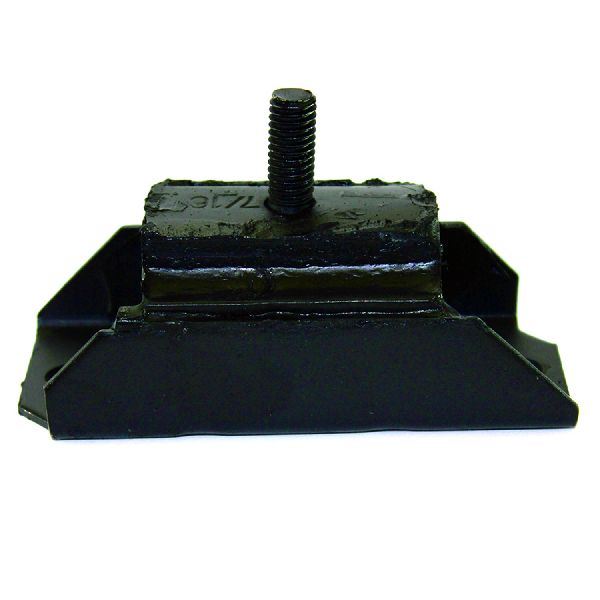
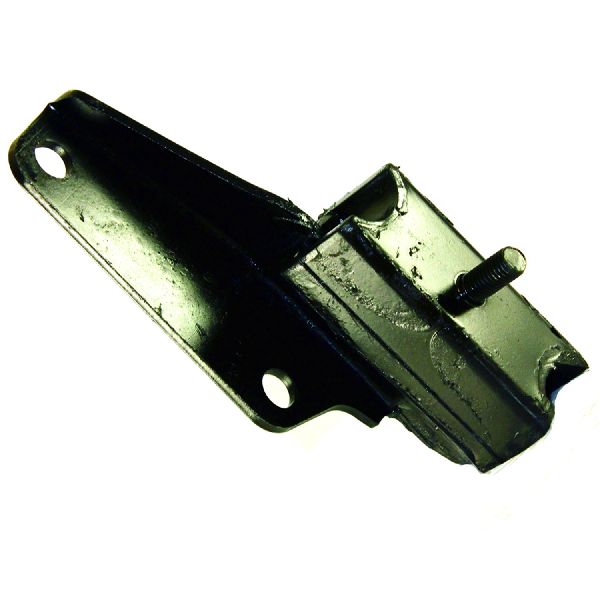
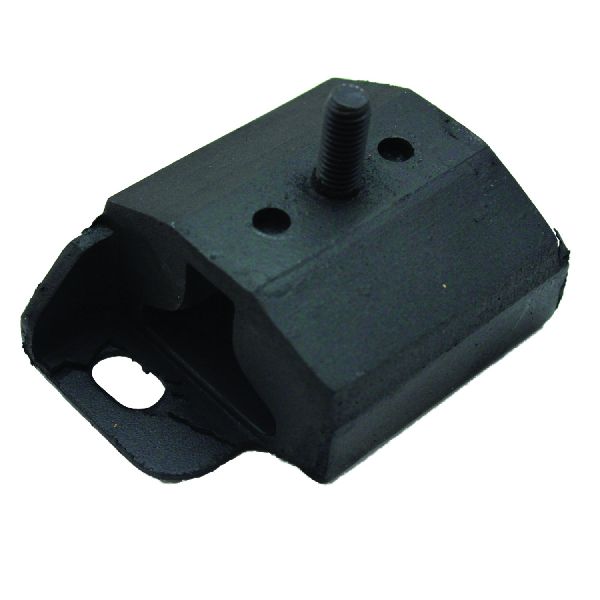
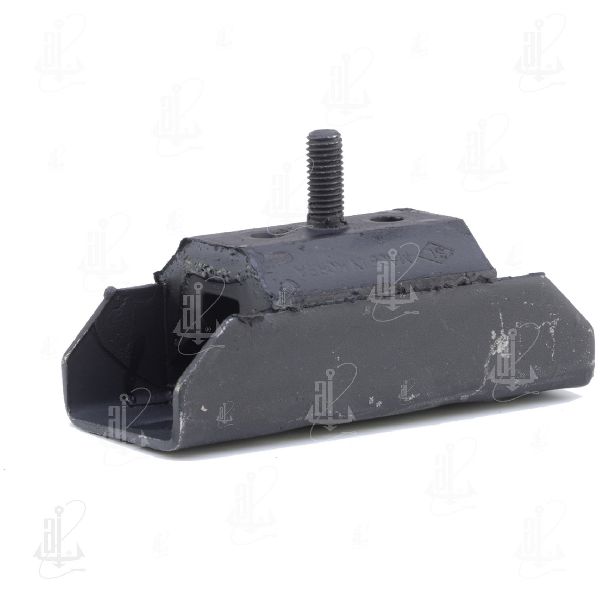
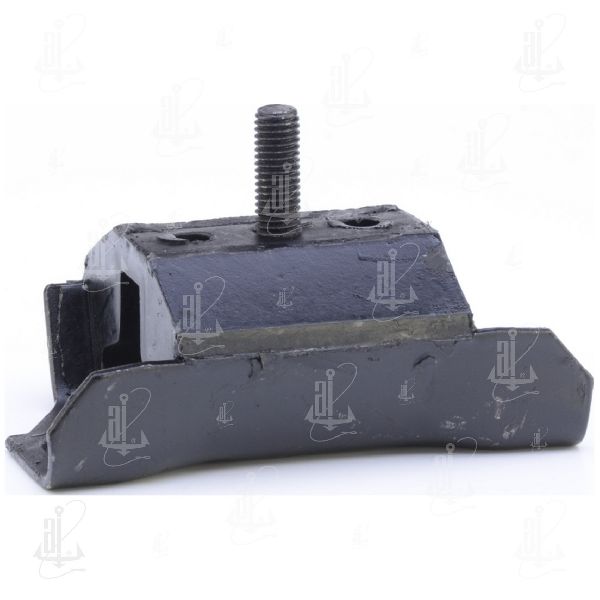
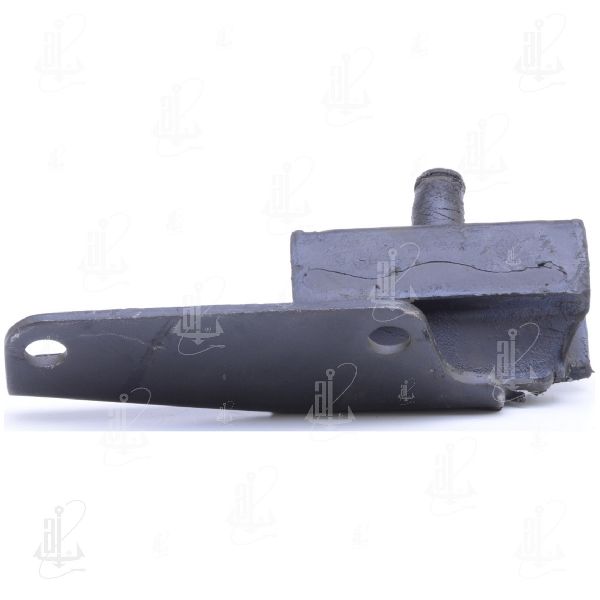
Single rear-wheel-drive (RWD) style mount, typically consisting of a metal plate, a rubber insulator, and a mounting stud or bolt holes. Attaches transmission tailshaft housing to the frame crossmember.
We Have This Part in Stock

The information in this article is provided for general reference and educational purposes only. Vehicle specifications, procedures, and part compatibility can vary by production date, trim level, and region. Always consult your vehicle's factory service manual and verify part numbers before purchasing or performing repairs. Safety-critical components such as airbags, seat belts, and braking systems should be installed by a qualified professional.
- Buick Electra: