

Rover 3500 Ignition Coil: A Guide for the 1980 Model
Everything you need to know to choose the right replacement ignition coil for your classic 1980 Rover 3500.
- The most critical step is to check if your car has a ballasted (1.5 Ohm coil) or non-ballasted (3.0 Ohm coil) ignition system before ordering.
- A common failure symptom for the Rover 3500 is the engine stalling when hot and refusing to restart until it cools down.
- Replacement is very easy and can be done by a DIYer in under 30 minutes with basic tools.
- A quality aftermarket coil from a brand like Accel or Standard Ignition can be more reliable than the original Lucas part.
Is Your Rover 3500's Ignition Coil Failing?
The original Lucas electronic ignition systems on the 1980 Rover 3500 (also known as the SD1) are known for having reliability issues, and the ignition coil is a common failure point. A very typical problem is the coil overheating. The engine may run fine when cold but then start to misfire, run rough, or stall completely once it warms up. It often won't restart until the coil has had time to cool down.
Key Failure Symptoms:
- Engine cuts out when hot: The most classic sign of a failing coil in these cars.
- No-start or hard starting: The engine cranks but won't fire up, especially when warm.
- Rough idle and stalling: The engine may shake or idle unevenly.
- Engine Misfires: You might feel a jerking or sputtering during acceleration as cylinders fail to fire correctly.
- Poor Acceleration: The car feels sluggish and lacks its usual power.
Crucial Check: Ballast vs. Non-Ballast System
Before buying a new coil, you MUST determine if your car has a ballast resistor in the ignition circuit. Original systems used one to protect the coil, but many have been modified over the years.
- Ballasted System: Uses a coil with low primary resistance (around 1.5 Ohms). It receives a full 12V during starting and a reduced voltage (around 8-9V) while running.
- Non-Ballasted System: Uses a coil with higher primary resistance (around 3.0 Ohms) and receives a constant 12V.
How to Check: With the ignition key in the 'On' position (engine off), use a multimeter to test the voltage at the coil's positive (+) terminal. A reading of 8-9 volts suggests a ballast system is in place. A reading near 12 volts means you likely have a non-ballasted system. Installing the wrong type of coil will lead to premature failure or a weak spark.
Choosing the Right Aftermarket Ignition Coil
For a classic like the Rover 3500, a quality aftermarket coil is often an upgrade over the original 40-year-old technology. Here’s a look at the available brands.
Brand Quality Tiers
- Performance/Premium Tier (Accel): Accel is known for performance applications and is mentioned by Rover owners as a reliable, high-performance choice that works well with the V8 engine. This is a good option if you are looking for a potential upgrade in spark energy.
- Standard/OE-Quality Tier (Standard Ignition, Walker Products): Standard Ignition (SMP) has a strong reputation for producing reliable, OEM-quality parts. Walker Products also markets its coils as meeting or exceeding OE standards, with a focus on quality materials and testing. These brands are a solid choice for a dependable, stock-like replacement.
- Economy Tier (Spectra, Holstein): Brands like Spectra and Holstein offer a more budget-friendly price point. However, some owners of other vehicles have reported mixed results and premature failures with economy-tier ignition parts. While they may function, they might not offer the same long-term durability as premium or standard brands.
Pro Tip: Complete the Job
Since you are replacing the coil, it's a great time to inspect other ignition components. Check the distributor cap and rotor for cracks or corrosion, and inspect the spark plug wires for damage. A new coil can't do its job properly if other parts of the ignition system are worn out.
Aftermarket Ignition Coil Cost for 1980 Rover 3500
| Part Type | Estimated Cost |
|---|---|
| New Aftermarket Ignition Coil | $29.97 - $42.76 |
| Shop Labor | $50 - $100 |
Frequently Asked Questions
Is it hard to replace the ignition coil myself?
No, this is a very easy job for a DIY mechanic. The coil is located in the engine bay and is held by a simple clamp. The process involves disconnecting the negative battery terminal, unplugging the two small wires, removing the main high-tension lead, unbolting the coil clamp, and then installing the new one in reverse order. It typically takes less than 30 minutes.
Do I need a special coil for my electronic ignition?
Yes, you need a coil that is compatible with your specific electronic ignition system. The most important factor is matching the coil's resistance (Ohms) to whether your system uses a ballast resistor. Using a 1.5 Ohm coil on a 12V non-ballasted system can cause it to overheat and fail quickly.
Will a new coil give my Rover more power?
If your old coil was failing, a new one will restore lost performance, making the engine run smoother and accelerate better. A high-performance coil like an Accel might offer a slightly stronger spark, which can lead to a more efficient fuel burn, but the difference on a stock engine may be minimal. The main benefit is restored reliability and engine health.
Are there any recalls on the 1980 Rover 3500 ignition coil?
No, searches of the NHTSA database and other records show no safety recalls or technical service bulletins (TSBs) specifically for the ignition coil on the 1980 Rover 3500. Known issues are documented primarily through owner forums and mechanic experience.
Technical Specifications
OEM Part Numbers: GCL143 RTC5628 DLB110
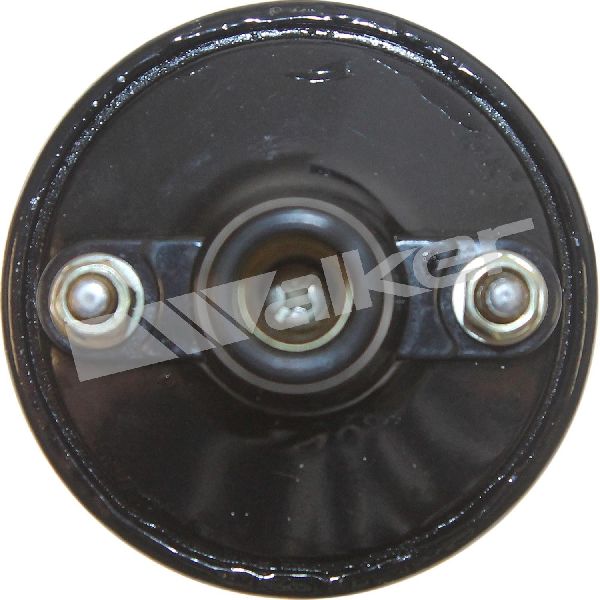
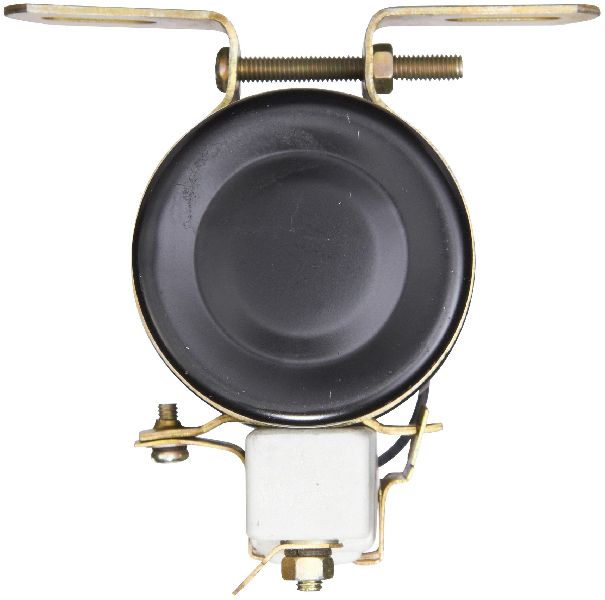
Canister-style, oil-filled ignition coil. Check for 1.5 Ohm (for ballast system) or 3.0 Ohm (for non-ballast system) primary resistance.
We Have This Part in Stock


The information in this article is provided for general reference and educational purposes only. Vehicle specifications, procedures, and part compatibility can vary by production date, trim level, and region. Always consult your vehicle's factory service manual and verify part numbers before purchasing or performing repairs. Safety-critical components such as airbags, seat belts, and braking systems should be installed by a qualified professional.
- Rover 3500: