

Pontiac LeMans Engine Coolant Temperature Sensor Guide: 1979-1981
Keep your classic LeMans running smoothly by understanding and replacing its engine coolant temperature sensor.
- This part is for the rear-wheel-drive 1979-1981 Pontiac LeMans; it will not fit later models.
- Symptoms of failure include an inaccurate gauge, poor fuel economy, and potential for overheating.
- Replacement is simple and can be done by a DIYer in under 30 minutes.
- Investing in a quality aftermarket brand like NGK or Standard Ignition is recommended for reliability.
Is This The Right Guide For You?
Vehicle Year and Model Verification is Critical
The Pontiac LeMans from 1979-1981 was a mid-size, rear-wheel-drive car. After 1981, the LeMans was discontinued in the United States for several years. It returned for the 1988 model year as a completely different front-wheel-drive subcompact car. This guide is specifically for the 1979, 1980, and 1981 rear-wheel-drive Pontiac LeMans. If you have a later model, this part will not fit.
Symptoms of a Failing Coolant Temperature Sensor
A bad coolant temperature sensor can cause a range of problems. Because these cars are from the late 70s and early 80s, the symptoms can be either mechanical or electrical. You might notice one or more of the following issues:
- Inaccurate Temperature Gauge: The gauge on your dashboard may read consistently hot, cold, or not move at all.
- Engine Overheating: If the sensor fails to tell the system the engine is hot, it can lead to overheating without a proper warning from the gauge.
- Poor Fuel Economy: A sensor stuck in the "cold" position will tell the engine computer to run a rich fuel mixture, wasting gas.
- Black Smoke from Exhaust: This is a sign of a rich fuel mixture, which can be caused by a faulty sensor telling the computer the engine is always cold.
- Difficulty Starting: A faulty sensor can send incorrect information to the engine's computer, making cold starts difficult.
Choosing the Right Aftermarket Sensor
Original equipment (OEM) sensors for a vehicle of this age are essentially unavailable. The aftermarket is your only realistic source for a new part. Thankfully, several reputable brands manufacture quality replacements. We can group them into tiers based on general quality and reputation in the industry.
Brand Quality Tiers
Premium Brands (Highest Quality & Reliability):
- NGK: Widely known for making high-quality sensors and ignition components that often meet or exceed OEM standards. They are a top choice for reliability.
- Standard Ignition (SMP): A long-standing, reputable brand in the aftermarket known for producing durable, OE-spec parts.
Mid-Grade Brands (Good Quality & Value):
- Holstein: A solid brand that offers parts with a good balance of quality and price. They report a low failure rate and a strong warranty.
- Motorad: While famous for thermostats, Motorad also produces a range of sensors. They are generally considered a reliable choice for replacement parts.
Economy Brands (Budget-Friendly):
- Four Seasons, Global Parts, True Tech: These brands provide a cost-effective solution to get your vehicle repaired. They are a good option for owners on a tight budget.
Pro Tip: For a critical, yet inexpensive, part like the coolant temperature sensor, choosing a premium or mid-grade brand is a wise investment. The small price difference can save you from future headaches and ensure your engine receives accurate temperature readings.
Cost of Replacing a Coolant Temperature Sensor
| Part Type | Price Range |
|---|---|
| New Aftermarket Sensor | $12.58 - $32.98 |
| Shop Labor | $50 - $100 |
| Total Professional Replacement | $62.58 - $132.98 |
Frequently Asked Questions (FAQ)
Can I drive with a bad coolant temperature sensor?
It is not recommended. While the car may run, you won't have an accurate reading of your engine's temperature, which can lead to severe overheating and catastrophic engine damage. You may also experience very poor fuel economy and performance.
Is this a difficult part to replace myself?
No, this is generally an easy repair for a DIY mechanic. The sensor is usually threaded into the engine block or intake manifold and is accessible with basic hand tools. The job typically takes less than 30 minutes.
Do I need to drain the coolant to replace the sensor?
Yes, you should partially drain the coolant so the level is below the sensor's location. This will prevent coolant from spilling out when you remove the old sensor. Be prepared to top off the coolant after installing the new one.
My LeMans has a temperature switch and a temperature sender. Are they the same?
Not always. On these vehicles, one component (the sender) might operate the gauge, while another (the switch) might control an electric fan or provide information to the ECM. It's crucial to identify which part has failed and order the correct replacement. Often, they look different and have a different number of electrical connectors.
Technical Specifications
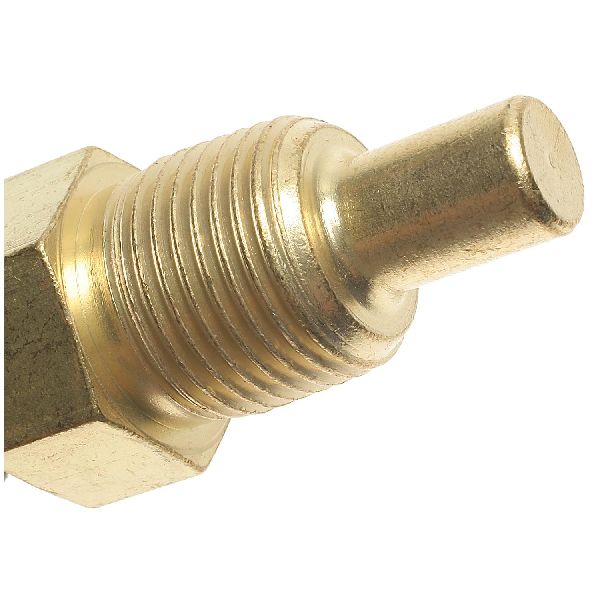
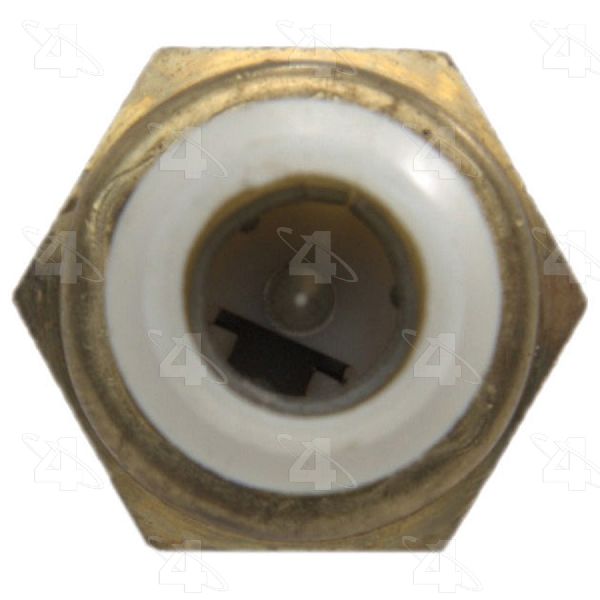
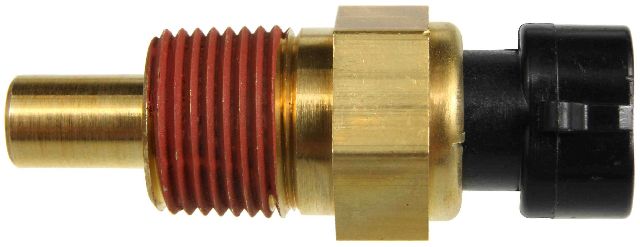
The sensor will have a specific thread pitch and electrical connector (typically a single blade or pin for gauge senders, or a two-pin connector for ECU sensors). It is crucial to match the sensor to your specific engine (V6 or V8) and model year, as variations exist.
We Have This Part in Stock



The information in this article is provided for general reference and educational purposes only. Vehicle specifications, procedures, and part compatibility can vary by production date, trim level, and region. Always consult your vehicle's factory service manual and verify part numbers before purchasing or performing repairs. Safety-critical components such as airbags, seat belts, and braking systems should be installed by a qualified professional.