

1979-1987 GMC C2500 Ignition Lock Cylinder: A Comprehensive Guide
If your key is stuck, hard to turn, or won't start your truck, this guide is for you.
- Symptoms like a stuck or hard-to-turn key point directly to a failing ignition lock cylinder, not necessarily the more complex ignition switch.
- Replacement is a manageable DIY job but requires special tools: a steering wheel puller and a lock plate compressor.
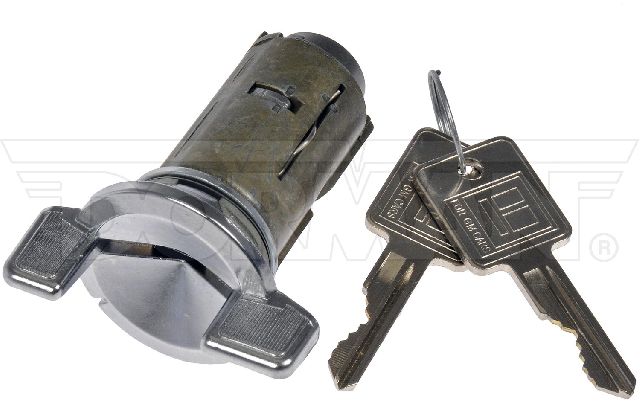
- A new lock cylinder will come with a new set of keys; you will no longer be able to use your old keys for the ignition.
- There are no recalls for this part on your truck; the well-known GM ignition recalls apply to much newer vehicles with a different design.
Is Your Ignition Lock Cylinder Failing?
The ignition lock cylinder in your 1979-1987 GMC C2500 is a purely mechanical part that sees use every time you drive. Over decades of use, the internal pins and tumblers wear down. This wear and tear is the primary cause of failure. Common symptoms often start small but can leave you stranded if ignored.
Key Symptoms of a Bad Ignition Lock Cylinder
- Key is difficult to insert or remove: You might feel like you have to jiggle or force the key. This is due to worn tumblers inside the cylinder.
- Key won't turn: The key goes in but refuses to turn to the 'start' or 'accessory' position. This can be caused by internal wear or a problem with the steering wheel lock.
- Key gets stuck in the ignition: You can start the truck, but you can't turn the key all the way back to the 'off' position to remove it.
- No power when key is turned: You turn the key and nothing happens—no dash lights, no radio. While this can also be a battery or ignition switch issue, a worn lock cylinder can fail to make proper contact with the switch actuator rod inside the column.
Don't Confuse It with the Ignition Switch
It's important to know the difference between the lock cylinder and the ignition switch. The lock cylinder is the mechanical part your key goes into. The ignition switch is the electronic part further down the steering column that the cylinder operates. If your lights and accessories work but the truck won't crank, the problem could be the switch, not the cylinder. However, issues like a stuck or hard-to-turn key point directly to the lock cylinder.
Choosing the Right Aftermarket Ignition Lock Cylinder
For a vehicle from this era, new OEM (Original Equipment Manufacturer) parts from GM are no longer available. The aftermarket is your only source for new parts. Fortunately, several reputable brands produce replacements for the C2500.
Your main choices will be between brands like Dorman, Standard Ignition (SMP), and other general 'Replacement' brands.
- Standard Ignition (SMP): Often considered a professional-grade brand, Standard Motor Products parts are known for their quality and durability. They are a solid choice for a reliable, long-lasting repair.
- Dorman: Dorman is a well-known aftermarket brand that produces a huge range of parts. Their quality is generally considered good for most repairs and they often provide good value. Some Dorman products are designed to fix original design flaws.
- Replacement/Store Brands: These are often the most budget-friendly options. While they can be a good value, quality can sometimes be inconsistent compared to more established brands.
For a critical part like this, spending a few extra dollars on a known brand like Standard Ignition or Dorman is a wise investment to avoid being stranded later.
Cost of Replacing Your Ignition Lock Cylinder
This is a relatively inexpensive part to replace, especially if you do the work yourself.
| Part/Service | Estimated Cost |
|---|---|
| New Aftermarket Ignition Lock Cylinder | $26.96 - $46.76 |
| Shop Labor | $100 - $200 |
| Total (DIY) | $26.96 - $46.76 |
| Total (Shop) | $125 - $250 |
Note: Costs are estimates and can vary based on your location and specific repair shop.
Frequently Asked Questions
Is replacing the ignition lock cylinder a difficult job?
The replacement process is moderately difficult for a DIYer. It requires removing the steering wheel and using two special tools: a steering wheel puller and a lock plate compressor. Without these tools, you cannot complete the job. The process involves removing the horn button, steering wheel nut, the steering wheel itself, and then compressing the lock plate to remove a retaining ring before you can access the screw that holds the cylinder.
Will I need new keys?
Yes, a new ignition lock cylinder will come with a new set of keys. If you want to keep one key for your doors and ignition, you can buy a complete lock set that includes door locks and an ignition cylinder all keyed alike.
My key won't turn. What can I do to get it home?
Sometimes, wiggling the steering wheel back and forth can relieve pressure on the steering lock, allowing the key to turn. You can also try gently jiggling the key while attempting to turn it. In some cases, very light pressure pulling the key slightly out while turning can help engage worn tumblers. These are temporary fixes to get you moving, but the cylinder should be replaced soon.
Are there any recalls for this part on my truck?
No, there are no specific recalls for the ignition lock cylinder on the 1979-1987 GMC C2500. The major GM ignition switch recalls from the 2010s affected much newer vehicles (mostly 2003-2014 models) and were related to a different type of problem where the key could be bumped out of the 'run' position while driving. That issue does not apply to this generation of truck.
Technical Specifications
OEM Part Numbers: 7025216 7040390 20024673 20071252
This is a mechanical, non-transponder lock cylinder located in the steering column. For models from 1979-1987, the cylinder is held in place by a retaining screw, which is accessed after removing the steering wheel and lock plate.
We Have This Part in Stock


The information in this article is provided for general reference and educational purposes only. Vehicle specifications, procedures, and part compatibility can vary by production date, trim level, and region. Always consult your vehicle's factory service manual and verify part numbers before purchasing or performing repairs. Safety-critical components such as airbags, seat belts, and braking systems should be installed by a qualified professional.