

Transmission Filter Kit Guide for 1979-1987 GMC C1500
Keep your classic square body shifting smoothly by choosing the right transmission filter kit for your specific truck.
- You MUST identify your transmission (likely TH350 or 700R4) by its pan shape before ordering a kit.
- Symptoms like harsh shifting, slipping, and whining noises point to a possible clogged filter.
- For this vehicle, quality aftermarket brands like Wix and ACDelco are excellent choices; pay attention to the included gasket type.
- Changing the filter is a messy but straightforward DIY job that can prevent expensive transmission damage.
Is Your C1500's Transmission Acting Up?
A clogged transmission filter can cause a variety of noticeable problems. Because the filter's job is to trap debris, it can eventually get restricted, starving the transmission of the clean fluid it needs to shift properly and stay cool. If you notice any of the symptoms below, it might be time to service your transmission.
Common Symptoms of a Clogged Filter:
- Shifting Problems: You might feel your truck hesitating, slipping out of gear, or shifting harshly. This happens because a clogged filter reduces the hydraulic pressure needed to change gears smoothly.
- Whining or Rattling Noises: A noise from the transmission that changes with engine RPM can be a sign that the transmission pump is struggling to pull fluid through a clogged filter.
- Burnt Smelling Fluid: If the fluid can't circulate properly, the transmission can overheat, causing the fluid to burn. Check the dipstick; if the fluid is dark brown or black and smells burnt, it's a clear sign of a problem.
- Fluid Leaks: A clogged filter can sometimes cause pressure to build in the wrong places, leading to leaks around seals or the pan gasket.
The Most Important Step: Identify Your Transmission!
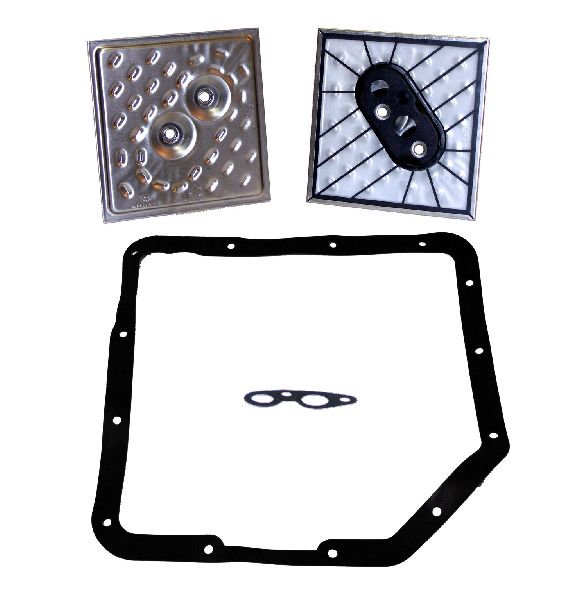
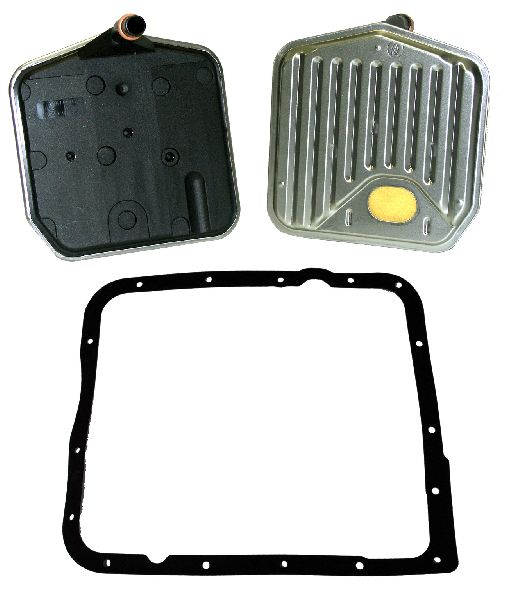
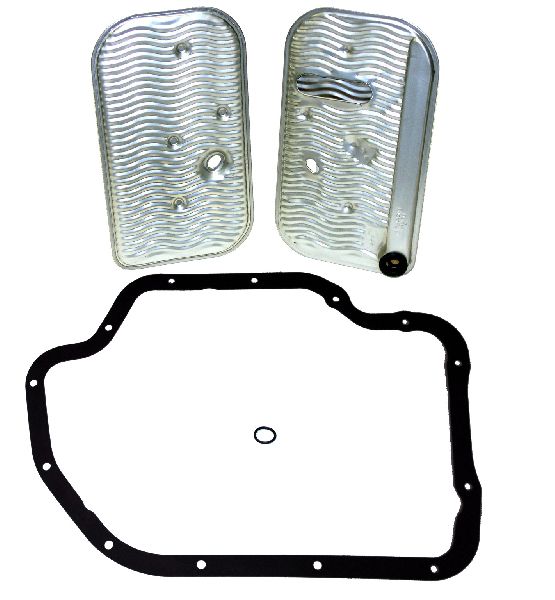
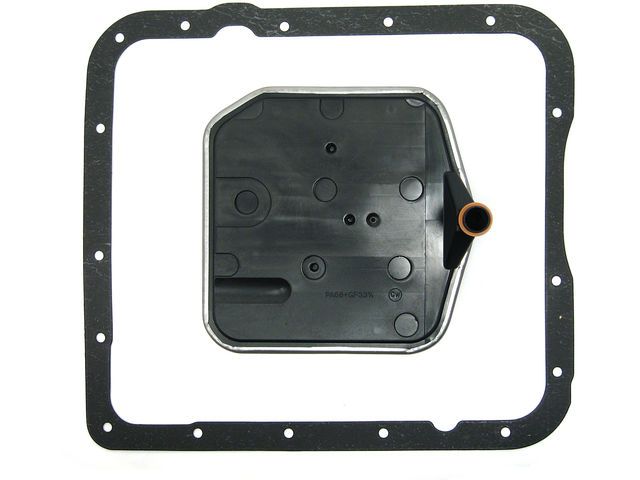
Your 1979-1987 GMC C1500 could have one of a few different automatic transmissions, most commonly the TH350 or the 700R4 (which appeared in the early '80s). These transmissions use different filters and pan gaskets. Ordering the wrong kit is the most common mistake. You must identify your transmission by its pan shape before you buy a kit.
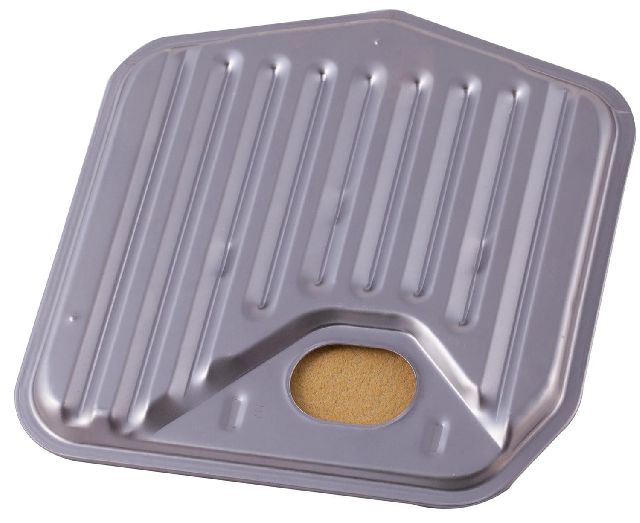
- TH350 Pan: Mostly square, but with one corner cut off at an angle. It has 13 bolts.
- 700R4 Pan: A distinct rectangle with 16 bolts.
Crawl under your truck and compare your transmission pan to a GM transmission pan identification chart to be certain.
Choosing the Right Aftermarket Filter Kit
For a vintage truck like the C1500, aftermarket filter kits offer excellent value. The main differences between brands are often the filter media and, most importantly, the type of gasket included.
Aftermarket Brand Tiers
| Tier | Brands | Quality & Notes |
|---|---|---|
| Premium Aftermarket | ACDelco, Wix | ACDelco is the original GM parts brand, offering a direct OE replacement fit and quality. Wix is a highly respected aftermarket brand known for high-quality filter media and good fitment, sometimes considered equal to or better than OEM service parts. These kits often come with higher-quality gaskets. |
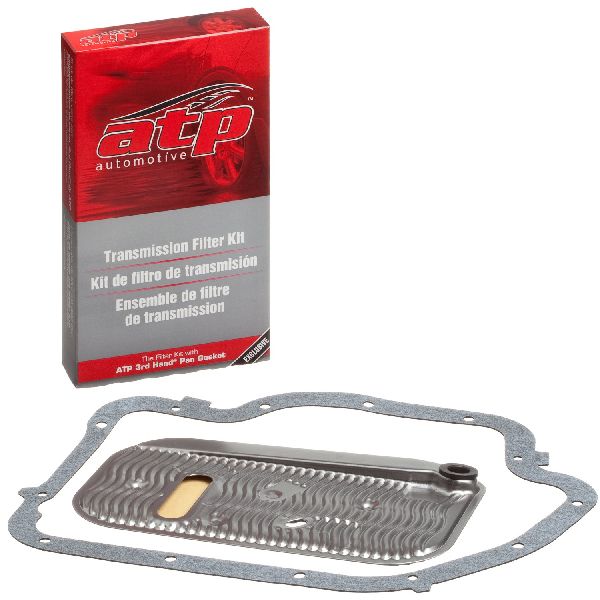
| Standard Aftermarket | ATP, Premium Guard | ATP is a well-known aftermarket brand. Some users praise their "Third Hand" gaskets which have undersized holes to hold bolts in place during installation. However, some have reported issues with gaskets being folded and torn in the packaging. Overall, they are considered a decent, budget-friendly option. |
| Economy | Pioneer Cable | These are typically the most affordable options. They will get the job done, but pay close attention to the gasket quality. For a few dollars more, moving up to a standard tier brand is often worth it for a better gasket and peace of mind. |
Pro Tip: Cork vs. Rubber Gaskets
Many kits, especially budget ones, come with a basic cork gasket. Cork can work, but it's prone to cracking if you overtighten the pan bolts and can be unforgiving on less-than-perfect pan surfaces. Many mechanics prefer to buy a kit with a modern rubber or composite gasket, as they seal better and are reusable in some cases. If your chosen kit comes with cork, consider buying a higher-quality rubber gasket separately.
Frequently Asked Questions (FAQ)
How often should I change my transmission filter?
For these older trucks under normal driving conditions, a good interval is every 30,000 to 50,000 miles. If you tow heavy loads or use your truck for hard work, consider changing it more frequently. A filter change is cheap insurance against a major transmission repair.
Is this a good DIY job for a beginner?
Yes, this is a great job for a beginner. It requires basic hand tools, a drain pan, and some patience. The biggest challenge is managing the mess from the transmission fluid. Be sure to work on a level surface and have plenty of shop towels ready.
How much fluid will I need?
Just dropping the pan and changing the filter will drain about 3 to 5 quarts of transmission fluid. The total system holds much more. You will need to buy enough new fluid (check your owner's manual for the correct type, likely DEXRON) to replace what you drained and have a little extra to top it off.
Do I need to use any sealant on the gasket?
No. The gasket is designed to be installed dry. Using RTV or other sealants can cause pieces to break off and clog the new filter or transmission passages, creating the very problem you're trying to fix. A clean pan and transmission surface are all you need for a good seal.
Technical Specifications
Kit must match the vehicle's specific transmission, either a TH350 (13-bolt pan with a cut corner) or a 700R4 (16-bolt rectangular pan).
We Have This Part in Stock

The information in this article is provided for general reference and educational purposes only. Vehicle specifications, procedures, and part compatibility can vary by production date, trim level, and region. Always consult your vehicle's factory service manual and verify part numbers before purchasing or performing repairs. Safety-critical components such as airbags, seat belts, and braking systems should be installed by a qualified professional.