

1979-1986 Pontiac Parisienne Engine Coolant Temperature Sensor & Sender Guide
An inaccurate temperature gauge or poor engine performance could be a simple sensor fix.
- First, determine if you need a gauge sender or a computer sensor based on your symptoms.
- Driving without a working temperature gauge is a serious risk that can lead to severe engine damage from overheating.
- For this GM vehicle, choosing a Delphi sensor is a reliable option due to their OEM heritage.
- Replacement is a simple, inexpensive DIY job that can be done in under an hour with basic tools.
Sensor or Sender: Which Part Do You Need?
Before buying a part for your Pontiac Parisienne, you must know what you're replacing. These cars spanned a transition in engine technology. This means there are two types of coolant temperature devices you might have:
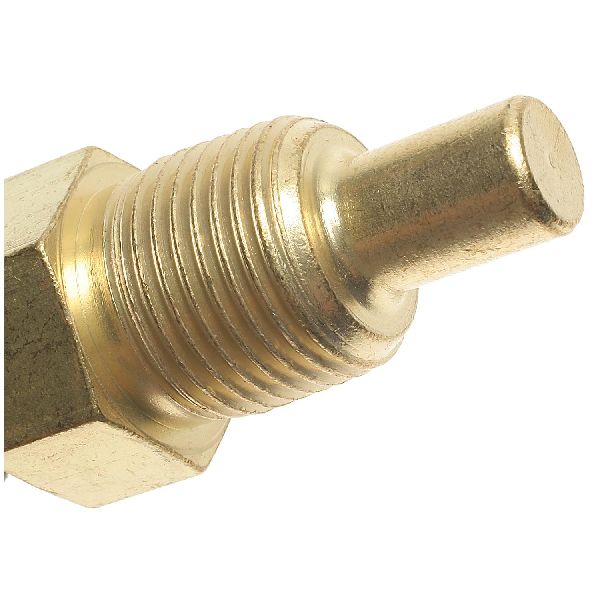
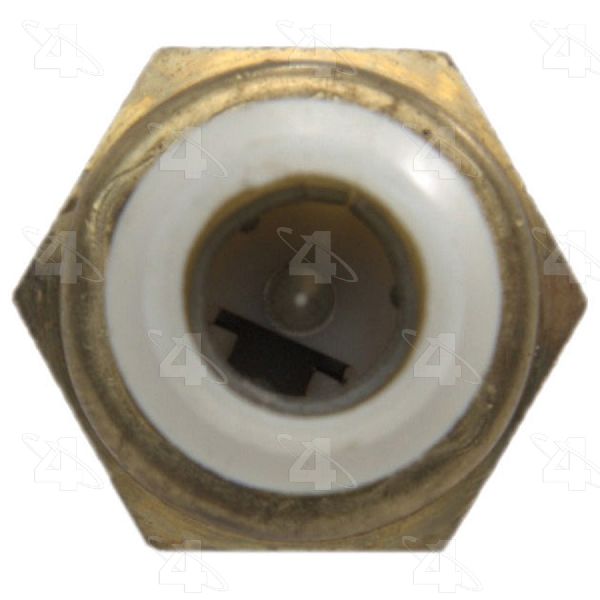
- Temperature Gauge Sender: Its only job is to make the temperature gauge on your dashboard work. If your gauge is dead, stuck on hot, or not reading right, this is likely the part you need. On many GM V8 engines, this is located on the driver's-side cylinder head.
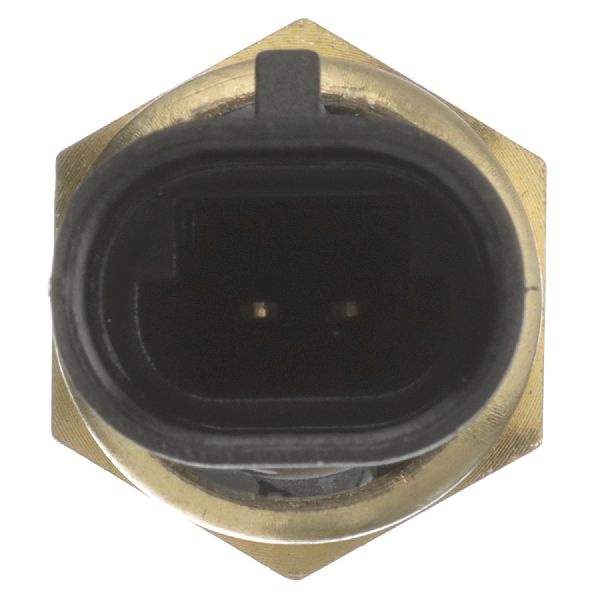
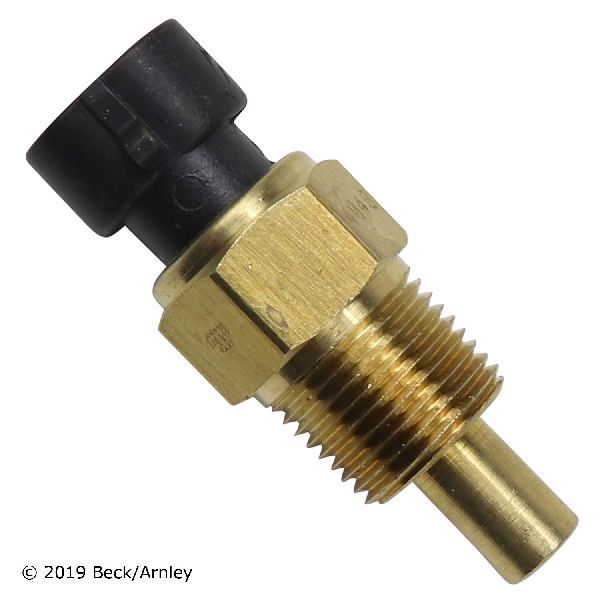
- Engine Coolant Temperature (ECT) Sensor: This sensor feeds information to the engine's computer. A failure here won't affect your dash gauge but will cause engine performance problems and may trigger a 'Check Engine' light if your car has one. This is typically located on the intake manifold.
Common Ordering Mistake
Many Parisienne owners have both a sender (for the gauge) and a sensor (for the computer). They are not interchangeable. Ordering the wrong one is a common mistake. Visually inspect your engine to see which part you need to replace before ordering.
Symptoms of a Failing Coolant Sensor or Sender
The symptoms you experience will tell you which part has likely failed.
- Inaccurate or Dead Temperature Gauge: This is the number one symptom of a bad temperature sender. The gauge may stay on cold, shoot to hot immediately, or not move at all. Driving without a working temperature gauge is risky, as you won't know if the engine is overheating.
- Poor Fuel Economy: If the ECT sensor fails and tells the computer the engine is always cold, the computer will provide a rich fuel mixture, wasting gas.
- Rough Idle and Poor Performance: The engine may run rough, hesitate, or feel sluggish because the computer is using incorrect data from a bad ECT sensor to manage the engine.
- Black Smoke from Exhaust: A very rich fuel mixture, caused by a faulty ECT sensor, can result in unburnt fuel igniting in the exhaust, creating black smoke.
- Engine Overheating: A bad gauge sender can leave you unaware of an overheating problem. On some models, a bad ECT sensor can fail to trigger the electric cooling fans, causing the engine to overheat.
Choosing the Right Aftermarket Part
For a vehicle like the 1979-1986 Parisienne, original OEM parts are essentially unavailable. Aftermarket parts are your only option, and many offer excellent quality. The key is to choose a reputable brand.
Given the low cost of even the best aftermarket sensors, it's not worth saving a few dollars on a lesser-known brand. A faulty sensor can cause running issues that are difficult to diagnose or, worse, lead to engine damage from overheating.
- Top Tier (OEM Heritage): Delphi has a long history as an original equipment supplier for General Motors. Choosing a Delphi sensor is the closest you can get to an original part and is highly recommended for reliability.
- Reliable Aftermarket: Brands like Standard Ignition (SMP) and NGK have a strong reputation for producing quality sensors that meet or exceed original specifications. They are a solid choice for this repair.
- Standard Tier: Brands like Beck Arnley, Hella, and Four Seasons often provide reliable parts. However, their parts can be sourced from various manufacturers, so quality can sometimes be less consistent than the top-tier brands.
Cost to Replace a Coolant Temperature Sensor
This is an inexpensive repair, whether you do it yourself or take it to a shop.
| Part Type | Cost Range |
|---|---|
| New Aftermarket Sensor/Sender | $12.58 - $37.74 |
| Shop Labor | $80 - $150 |
| Estimated Total (Shop) | $95 - $190 |
Frequently Asked Questions
Where is the coolant temperature sensor located?
It varies by engine. The sender for the temperature gauge is often found threaded into the driver's side cylinder head, between the front two spark plugs. The sensor for the engine computer is typically located on the engine's intake manifold, near the thermostat housing. Always check your specific vehicle, as locations can differ.
Can I replace this part myself?
Yes, this is a very DIY-friendly job for most home mechanics. The engine must be completely cool. The process involves locating the sensor, unplugging its electrical connector, unscrewing the old sensor, and quickly screwing in the new one to minimize coolant loss. Basic tools like a deep socket and ratchet are usually all that is needed.
What's the difference between a temperature sensor and a temperature switch?
A temperature sensor (or sender) provides a variable reading that changes with temperature, which is what a gauge or computer needs. A temperature switch is a simple on/off device that activates at a single, preset temperature, often used to turn on a warning light or an electric fan. Your Parisienne may have both, so be sure you are replacing the correct component.
What happens if I don't replace a bad sensor?
Ignoring a bad gauge sender means you are driving blind to your engine's temperature, risking catastrophic damage from overheating. Ignoring a bad computer sensor will lead to poor performance, terrible fuel economy, and could cause long-term issues like fouled spark plugs and a damaged catalytic converter from running too rich.
Technical Specifications
Varies by part. The key is to distinguish between the sensor for the computer (often a two-wire connector) and the sender for the gauge (often a single-wire or spade connector).
We Have This Part in Stock


The information in this article is provided for general reference and educational purposes only. Vehicle specifications, procedures, and part compatibility can vary by production date, trim level, and region. Always consult your vehicle's factory service manual and verify part numbers before purchasing or performing repairs. Safety-critical components such as airbags, seat belts, and braking systems should be installed by a qualified professional.