

Pontiac Grand Am Engine Coolant Sensor Guide (1979-1980)
Understand the function, symptoms, and replacement of the engine coolant temperature sensor for your classic Grand Am.
- This part is for the 1979-1980 Grand Am; the model was not made from 1981-1984.
- The primary symptom of failure is an inaccurate reading on the dashboard temperature gauge.
- Replacement is simple, inexpensive, and can be done at home in under 30 minutes.
- Choose a reputable aftermarket brand like NGK or Standard Ignition for the best reliability.
Understanding the Coolant Sensor in Your Grand Am
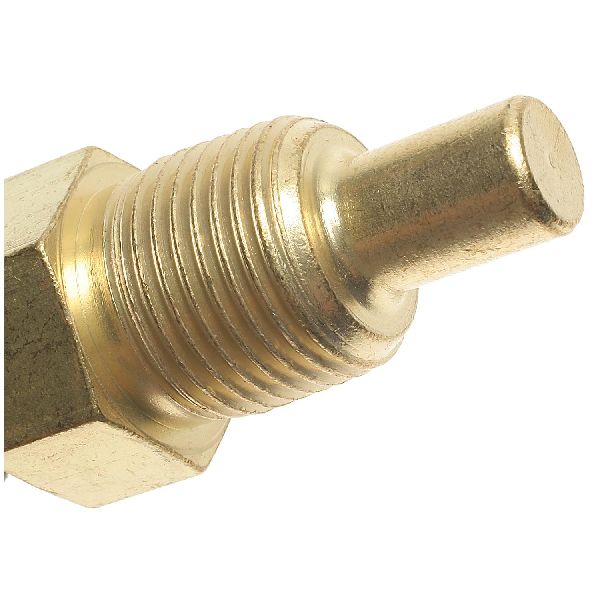
The engine coolant temperature (ECT) sensor, or sender, for the 1979-1980 Pontiac Grand Am is a simple but vital part. It's a small sensor that threads into the engine's cylinder head or intake manifold, where it's in direct contact with the engine coolant. Its main job is to keep you informed via the dash gauge. An incorrect reading can hide a serious overheating problem or make you think there's an issue when there isn't one. Given the age of these vehicles, the original sensor may be worn out, leading to inaccurate readings.
A Note on Model Years
The Pontiac Grand Am was produced for the 1979 and 1980 model years before taking a break. It was not manufactured between 1981 and 1984. This guide is specific to the second-generation 1979-1980 models.
Symptoms of a Failing Coolant Temperature Sensor
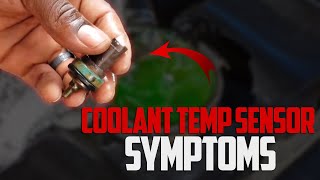
🎬 Watch this video to learn more about common sensor failure symptoms.A bad coolant sensor can cause several noticeable problems. Because it's tied to the temperature gauge, the most common symptom is an inaccurate or erratic reading. You might also notice poor engine performance if your vehicle has a more advanced engine management system.
- Inaccurate Temperature Gauge: The gauge may read extremely high, low, or not move at all, even when the engine is at operating temperature.
- Engine Overheating: If the sensor fails to report a high temperature, you might not be aware that your engine is overheating until it's too late.
- Poor Fuel Economy: On computer-controlled models, a faulty sensor can send a permanent 'cold' signal, causing the engine to run rich and use more fuel.
- Black Smoke from Exhaust: An engine running too rich can result in unburnt fuel being burned in the exhaust, creating black smoke.
Choosing the Right Aftermarket Sensor
For a vehicle of this vintage, OEM parts are generally unavailable. The aftermarket provides several good options. The key is to choose a brand known for quality control, as even simple sensors can have manufacturing defects.
Tier 1: Reputable Brands
Brands like NGK and Standard Ignition (SMP) have a long-standing reputation for producing reliable electronic components that meet or exceed original specifications. They are often trusted by professional mechanics. Choosing one of these brands provides extra assurance of accurate readings and longevity.
Tier 2: Standard Replacement Brands
Motorad, Holstein, and Four Seasons are solid mid-tier brands. They manufacture a wide range of automotive parts and generally offer a good balance of price and quality. While some user reviews for Four Seasons are mixed, they are a major supplier for A/C components and other parts. Holstein emphasizes its quality control and offers a good warranty.
Tier 3: Value Brands
Brands like Global Parts and True Tech fall into the value category. They are the most budget-friendly options. For a simple sender unit, these can be sufficient, but there may be a higher chance of getting a part that is out of spec. Given the low cost of even the premium brands 🎬 See a breakdown of common symptoms and typical replacement costs. for this part, it's often worth spending a few extra dollars for a more reputable name.
| Brand Tier | Price Range |
|---|---|
| Tier 1 (NGK, Standard Ignition) | $20 - $33 |
| Tier 2 (Motorad, Holstein, Four Seasons) | $15 - $25 |
| Tier 3 (Global Parts, True Tech) | $12 - $20 |
Pro Tip: Check Your Connector
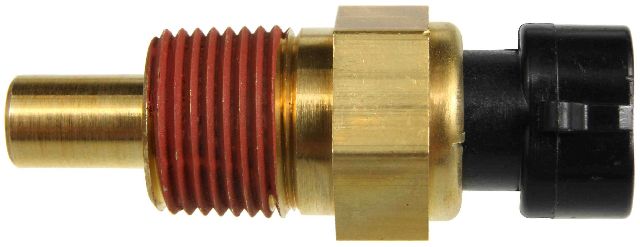
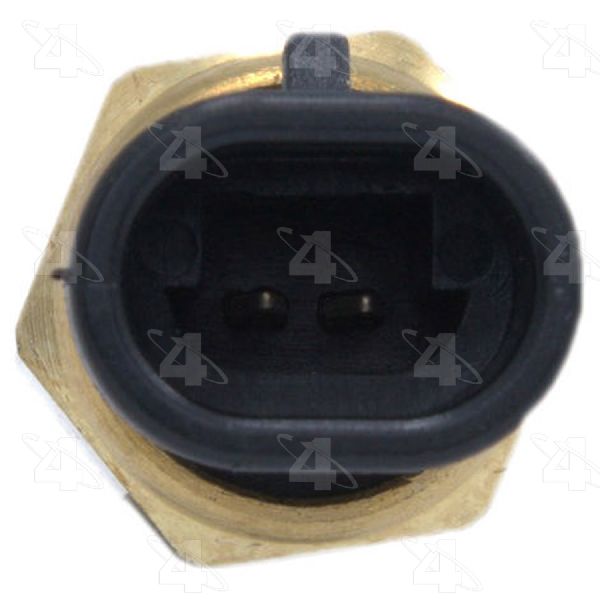
Before ordering, look at your existing sensor's electrical connector. These cars had several engine options, and the sensor's plug style could vary. Matching it to the picture of the new part can save you the headache of a return.
Frequently Asked Questions
Is this a difficult part to replace myself?
No, this is a very DIY-friendly job. It typically requires only basic hand tools like a deep socket and wrench. The sensor is usually easy to access on the engine. The entire process should take less than 30 minutes.
🎬 Learn how to identify symptoms and replace a faulty sensor.Do I need to drain the coolant to replace the sensor?
You don't need to drain the entire system. However, the sensor is below the coolant level, so some coolant will leak out when you remove the old one. Work quickly and have the new sensor ready to install to minimize loss. Top off the coolant after you are done.
My car has a warning light instead of a gauge. Does it use the same part?
No. Vehicles with a warning light (often called an 'idiot light') use a temperature 'switch,' not a sending unit. A switch is a simple on/off device that completes a circuit to turn the light on at a preset temperature. A sending unit provides a variable signal for a gauge. Ensure you order the correct part for your car's setup.
Are there any recalls for this part?
No, searches of the National Highway Traffic Safety Administration (NHTSA) database and other sources show no recalls or technical service bulletins (TSBs) for the engine coolant temperature sensor on the 1979-1980 Pontiac Grand Am. This is expected for a vehicle of this age.
Helpful Videos
Technical Specifications
OEM Part Numbers: 25036979 15326386
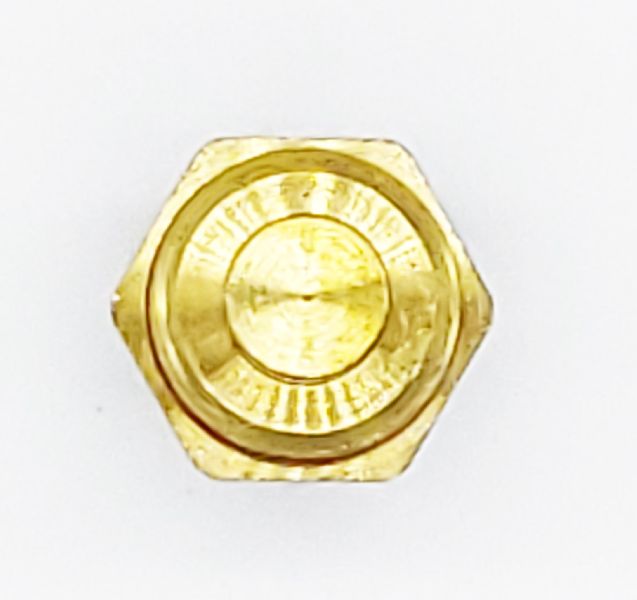
Varies by engine. Typically a single- or two-terminal sensor/sender that threads into the cylinder head or intake manifold. Connector type is the most important specification to match.
We Have This Part in Stock



The information in this article is provided for general reference and educational purposes only. Vehicle specifications, procedures, and part compatibility can vary by production date, trim level, and region. Always consult your vehicle's factory service manual and verify part numbers before purchasing or performing repairs. Safety-critical components such as airbags, seat belts, and braking systems should be installed by a qualified professional.