

A Guide to the 1979-1984 Mazda B2000 A/C Compressor
Get your classic Mazda's air conditioning blowing cold again by understanding how to choose the right new A/C compressor.
- New OEM compressors are not available; you will be buying a new aftermarket part from brands like Four Seasons or Global Parts.
- Replacing the compressor is not enough. You must also replace the receiver/drier and have the system professionally flushed, evacuated, and recharged to prevent immediate failure of the new part.
- Your truck was originally equipped with R-12 refrigerant. It must be converted to use modern R-134a, which requires specific fittings and compatible PAG oil.
- This is not a simple DIY job. It requires expensive, specialized equipment and knowledge of handling refrigerants, making a professional mechanic the best choice for this repair.
Is Your B2000's A/C Compressor Failing?
For a truck of this vintage, A/C problems are common. The compressor is a moving part that can wear out over time. If you're experiencing issues, it's often one of the first components to check. Ignoring the signs can sometimes lead to more expensive repairs if the compressor fails internally and sends debris through the system.
Symptoms of a Bad A/C Compressor:
- Warm Air from Vents: The most obvious sign is when your A/C simply stops blowing cold air. If the refrigerant level is correct, the compressor itself may be the problem.
- Strange Noises: Grinding, squealing, or rattling sounds from the engine bay when you turn on the A/C can point to a failing compressor clutch or internal bearing.
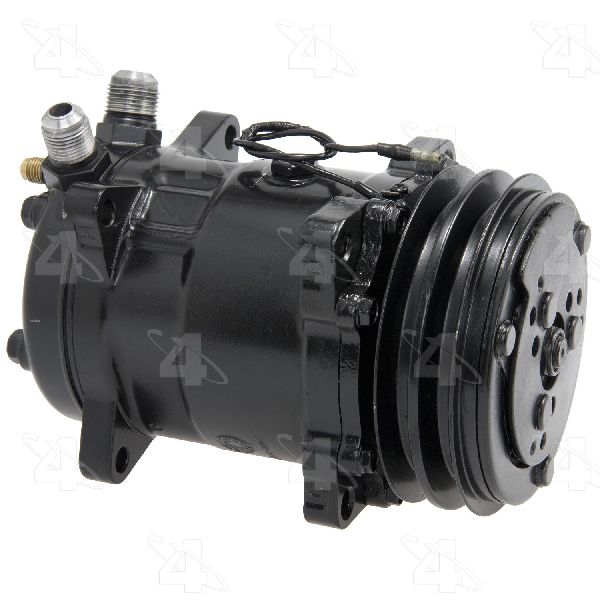
- A/C Clutch Not Engaging: The outer part of the compressor pulley has a clutch that engages to turn the compressor's internal parts. If you turn on the A/C and don't see or hear this clutch click and start spinning, it could be a faulty clutch or an electrical issue.
- Visible Leaks: The compressor has seals that can leak refrigerant and oil over time. You might see a greasy film on the compressor body.
Choosing the Right Aftermarket Compressor
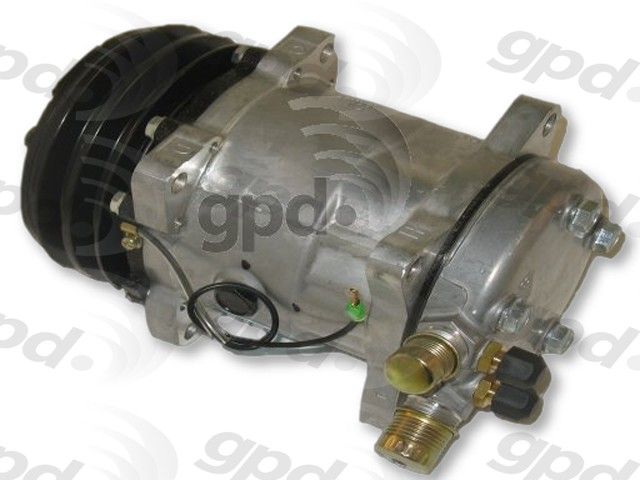
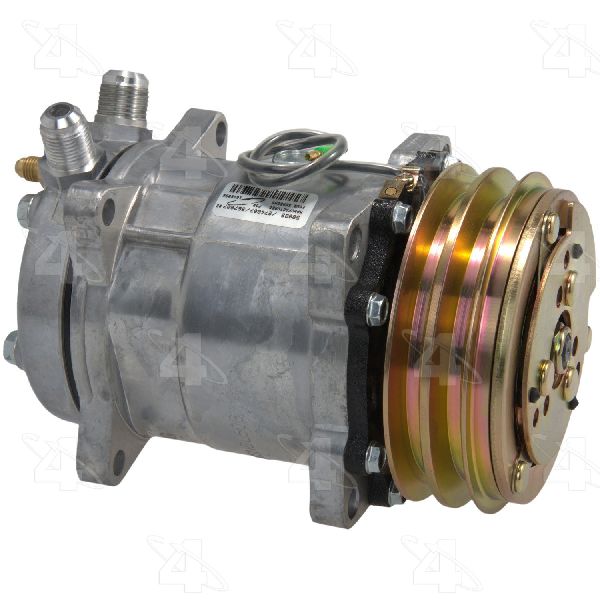
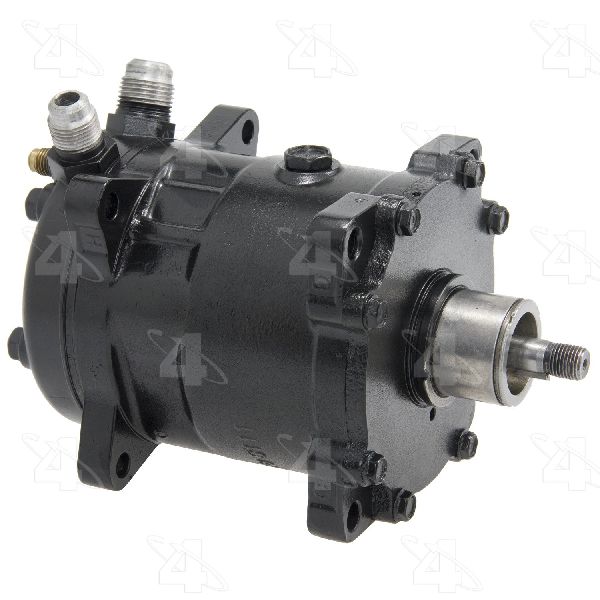
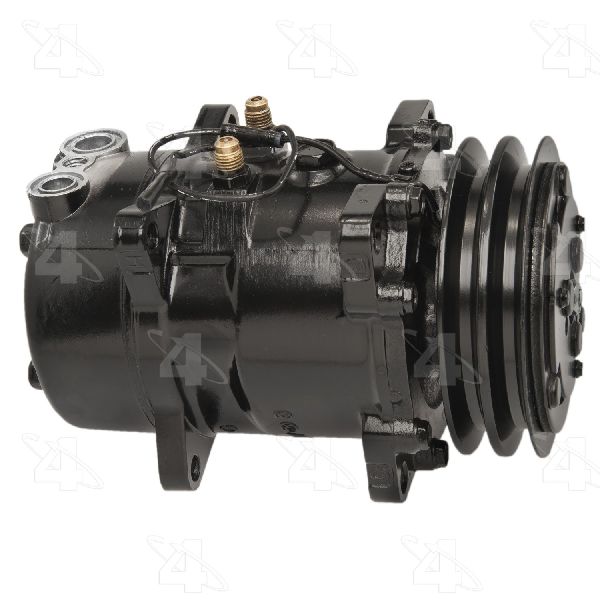
For a 1979-1984 Mazda B2000, finding a new original equipment manufacturer (OEM) compressor is nearly impossible. The market is served by new aftermarket parts. The two main brands you will find are Four Seasons and Global Parts Distributors (GPD).
- Four Seasons: A well-known aftermarket brand. Reviews are often mixed, with some users having great long-term success and others experiencing premature failures. It's critical to follow installation instructions precisely, especially regarding the correct oil amount, to ensure longevity.
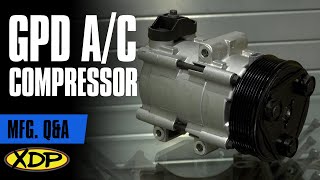
- Global Parts Distributors (GPD): Another major supplier of aftermarket A/C components. They emphasize that their compressors are leak-tested and designed to meet OE form and function. 🎬 Learn more about GPD compressors in this video Q&A. Like any aftermarket part, proper installation is key.
The Verdict: For a classic truck like the B2000, both brands offer a viable path to getting your A/C working again. Success often depends less on the brand and more on the installation quality. A new compressor from either brand is a better choice than a remanufactured unit, which can be a gamble. Always buy a complete kit if possible, which includes the essential replacement parts like the receiver/drier and o-rings.
Pro Tip: A Successful A/C Job is More Than Just the Compressor
When an A/C compressor fails, it can contaminate the entire system with metal shavings. Simply swapping the compressor will lead to the new one failing quickly. To do the job right, you MUST:
- Replace the Receiver/Drier (or Accumulator): This part absorbs moisture and filters debris. It should ALWAYS be replaced with the compressor.
- Flush the System: All lines, the evaporator, and the condenser must be flushed with a proper A/C flushing agent to remove old oil and debris.
- Evacuate and Recharge: After installation, the system must be put under a deep vacuum to remove all air and moisture before being recharged with the correct amount of refrigerant and oil.
Estimated Costs for A/C Compressor Replacement
Here is a general breakdown of what to expect in terms of cost. Prices can vary based on your location and the specific shop.
| Part or Service | Estimated Cost |
|---|---|
| New Aftermarket A/C Compressor | $160 - $385 |
| Shop Labor (including flush, evacuation, and recharge) | $400 - $800 |
| Total Estimated Cost (Professional Installation) | $560 - $1,185 |
Frequently Asked Questions
What kind of refrigerant does my 1979-1984 B2000 use?
Originally, your truck's A/C system used R-12 refrigerant, which is no longer available. Nearly all systems have been, or should be, converted to use modern R-134a refrigerant. This involves installing new service port fittings and ensuring the system has the correct type of oil (PAG oil) for R-134a compatibility.
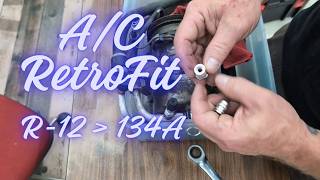
🎬 Watch how to install R12 to R134a retrofit adapters.Can I replace the A/C compressor myself?
This is a complex job for a DIY mechanic. While unbolting the compressor is straightforward, the job requires specialized tools like a refrigerant recovery machine, a vacuum pump, and manifold gauges. Releasing refrigerant into the air is illegal and harmful to the environment. For most owners, this job is best left to a professional shop.
Do I need to replace the A/C clutch separately?
While it's sometimes possible to replace just the clutch, new aftermarket compressors almost always come with a new clutch already installed. Given the age of the vehicle and the cost of labor, replacing the entire compressor assembly is the most reliable and cost-effective repair.
What is a receiver/drier and why must it be replaced?
The receiver/drier is a small canister in the A/C system that acts like a filter and moisture trap. Once the system is opened to the air (like during a compressor replacement), the desiccant material inside becomes saturated and can no longer protect the system. Failure to replace it is a primary cause of new compressor failure.
Helpful Videos
Technical Specifications
Belt-driven piston-type compressor. System originally designed for R-12 refrigerant, now commonly converted to R-134a.
We Have This Part in Stock

The information in this article is provided for general reference and educational purposes only. Vehicle specifications, procedures, and part compatibility can vary by production date, trim level, and region. Always consult your vehicle's factory service manual and verify part numbers before purchasing or performing repairs. Safety-critical components such as airbags, seat belts, and braking systems should be installed by a qualified professional.