

1979-1981 Pontiac Catalina Engine Coolant Temperature Sensor Resource
Solve poor engine performance and bad fuel economy by understanding and replacing your Catalina's coolant temperature sensor.
- A bad ECT sensor is a common cause of poor fuel economy and rough running in a 1979-1981 Catalina.
- Distinguish between the ECT sensor (for the computer) and the temperature sender (for the dash gauge).
- Replacement is simple and can be done at home with basic tools in under 30 minutes.
- Quality aftermarket brands like NGK and Standard Ignition offer reliable performance without the high cost or rarity of OEM parts.
Is Your Catalina's Coolant Sensor Failing?
For a classic car like the 1979-1981 Pontiac Catalina, smooth engine operation is key. A faulty Engine Coolant Temperature (ECT) sensor can be the hidden cause of many frustrating problems. Because this sensor directly influences how much fuel the engine gets, a bad reading can make your car run too rich or too lean. This can lead to poor gas mileage, rough idling, and even engine overheating. Replacing a failing sensor is a simple and affordable fix that can restore performance and efficiency.
Symptoms of a Bad Coolant Temperature Sensor
If the ECT sensor is sending incorrect information to your Catalina's engine computer, you'll likely notice one or more of the following issues:
- Poor Fuel Economy: If the sensor is stuck reading "cold," the computer will continuously send extra fuel to the engine, drastically reducing your miles per gallon.
- Black Smoke from Exhaust: A constantly rich fuel mixture from a bad sensor reading can result in unburned fuel exiting through the exhaust, creating black smoke.
- Rough Idle or Misfiring: An incorrect air-fuel mixture can cause your engine to shake, vibrate, or run poorly, especially when idling.
- Engine Overheating: In some cases, a faulty sensor can fail to trigger the electric cooling fans (if equipped) or cause the computer to make incorrect adjustments that lead to overheating.
- Check Engine Light: On models equipped with early diagnostics, a sensor that has failed or is sending readings outside the normal range can trigger the "Check Engine" light.
Sensor vs. Sender: A Common Mistake
Your Catalina has two similar parts. The Engine Coolant Temperature (ECT) Sensor sends information to the engine computer. The Engine Coolant Temperature Sender (or sending unit) sends information to the temperature gauge on your dashboard. If your gauge is reading incorrectly but the engine runs fine, the sender is likely the problem. If the engine is running poorly but the gauge seems to work, the sensor is the more probable culprit.
Choosing the Right Aftermarket Sensor
For a vehicle like the 1979-1981 Catalina, finding a New Old Stock (NOS) OEM sensor from GM or ACDelco is difficult and often unnecessary. High-quality aftermarket brands provide excellent performance and reliability at a much lower cost. The available brands can be grouped into tiers based on their reputation for quality and materials.
Premium Brands
These brands are known for meeting or exceeding original equipment specifications and are an excellent choice for reliability.
- NGK (NTK): As a major OE supplier for many automakers, NTK sensors are widely considered a top-tier choice. They emphasize matching OE specifications for probe length and using thermal conductive grease for fast, accurate readings.
- Standard Ignition (SMP): A long-standing brand with a strong reputation for producing high-quality aftermarket parts that are often considered equivalent to, or even better than, the original.
Quality Aftermarket Brands
These brands offer a great balance of quality and value, making them a solid choice for most repairs.
- Motorad: Specializing in cooling system components, Motorad manufactures its sensors to meet or exceed OEM standards in ISO-certified facilities.
- Holstein: This brand focuses on sensors and claims a very low failure rate, with parts produced in factories that also supply OEMs. They back their parts with a 3-year/36,000-mile warranty.
Value Brands
These brands provide a functional replacement at a budget-friendly price point.
- Four Seasons: A common brand in the aftermarket that provides cost-effective solutions for many automotive parts.
- True Tech: Generally positioned as a value-oriented option for basic repairs.
| Brand Tier | Estimated Price Range |
|---|---|
| Premium (NGK, Standard Ignition) | $22 - $33 |
| Quality Aftermarket (Motorad, Holstein) | $18 - $25 |
| Value (Four Seasons, True Tech) | $12 - $20 |
Installation Tip
The ECT sensor is typically threaded into the cylinder head or intake manifold. On Pontiac V8 engines, it is often found on the driver's side cylinder head between the first and third spark plugs. When replacing, make sure the engine is completely cool. Have the new sensor ready to install as soon as you remove the old one to minimize coolant loss. Some new sensors come with thread sealant already applied; if not, a small amount of appropriate sealant should be used to prevent leaks.
Frequently Asked Questions
Can I replace the ECT sensor myself?
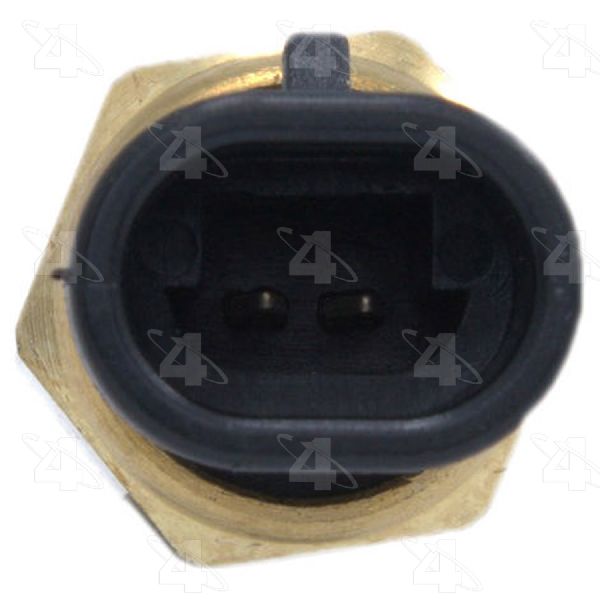
Yes, this is a very DIY-friendly job for most home mechanics. It requires basic hand tools, such as a deep socket or wrench. The main steps are to let the engine cool, disconnect the electrical connector, and unscrew the old sensor. Working quickly when swapping the sensors will prevent significant coolant loss.
Where is the ECT sensor located on my Catalina?
The location can vary depending on the engine (V6 or V8). It is typically screwed into a coolant passage on the intake manifold or a cylinder head. For Pontiac V8s of this era, a common location is the driver's side cylinder head. Always consult a repair manual for your specific engine to confirm the location.
What happens if I don't replace a bad sensor?
Ignoring a bad ECT sensor will lead to persistent poor engine performance, terrible fuel economy, and increased emissions. In a worst-case scenario, it could contribute to engine damage from an incorrect fuel mixture or overheating. Since it is an inexpensive and easy part to replace, it's best to fix it as soon as it's diagnosed.
Are there any recalls for the Catalina's coolant sensor?
No, there are no specific recalls or Technical Service Bulletins (TSBs) from the NHTSA related to the engine coolant temperature sensor for the 1979-1981 Pontiac Catalina. This is common for vehicles of this age.
Technical Specifications
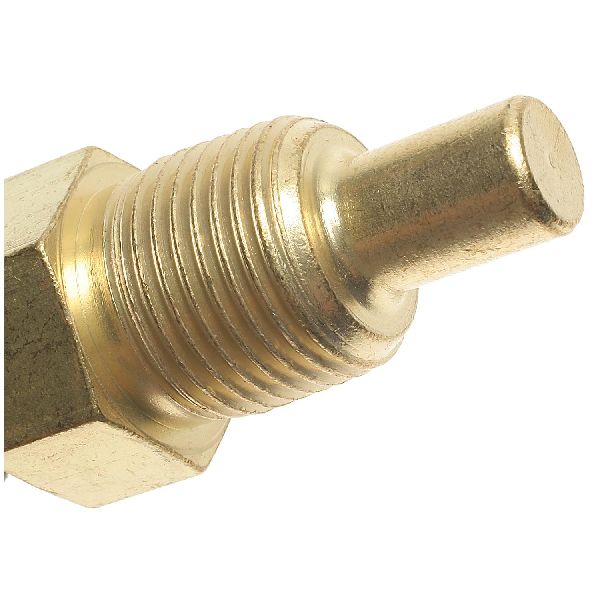
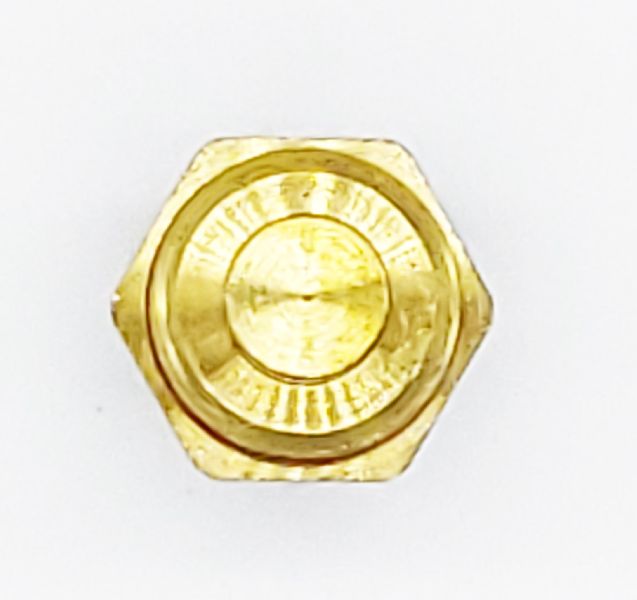
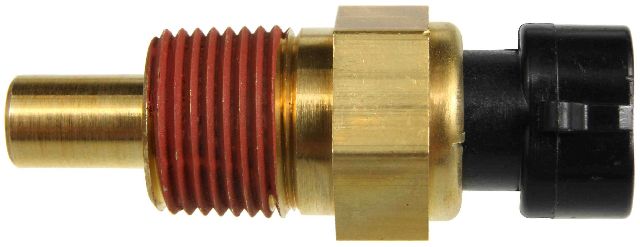
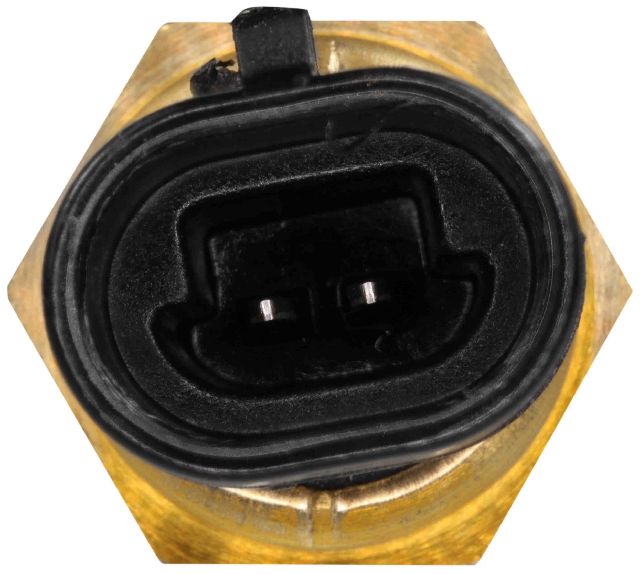
The sensor is a thermistor, which means its electrical resistance changes with temperature. It is typically made of brass and threads into a coolant passage on the engine. The specific thread size (e.g., 1/2" NPT) can vary by engine, so confirming fitment is important.
We Have This Part in Stock


The information in this article is provided for general reference and educational purposes only. Vehicle specifications, procedures, and part compatibility can vary by production date, trim level, and region. Always consult your vehicle's factory service manual and verify part numbers before purchasing or performing repairs. Safety-critical components such as airbags, seat belts, and braking systems should be installed by a qualified professional.