

Guide to the 1979-1980 GMC P1500 Alternator
Keep your classic P-series van running strong by understanding its charging system.
- A failing alternator will give clear signs like dimming lights, a dashboard warning light, or a whining noise.
- For a stock 1979-1980 P1500, a standard 63-amp replacement alternator is sufficient.
- Replacement is a straightforward DIY job that most owners can complete in about an hour.
- Premium aftermarket brands like Bosch and Remy offer excellent reliability for this vehicle.
Is Your Alternator Failing? Common Symptoms
On a classic truck like the GMC P1500, the signs of a failing alternator are usually straightforward. Because these vans have simpler electrical systems, problems are often easier to spot than on modern vehicles. Paying attention to these warnings can keep you from getting stranded.
- Dimming or Flickering Lights: This is the most common sign. You may notice your headlights and dashboard lights are dim or pulse, especially when the engine is at idle. They might get brighter when you press the gas.
- Battery Warning Light: Your dashboard likely has a warning light shaped like a battery or labeled "ALT" or "GEN". If this light comes on while you're driving, it's a direct signal that the alternator is not producing enough power.
- Whining or Grinding Noises: A high-pitched whine that changes with engine RPM often points to bad bearings inside the alternator. A squealing noise could be a worn or loose belt that is slipping on the alternator pulley.
- Weak or Dead Battery: If you constantly need to jump-start your van, the alternator is the likely culprit. A new battery that quickly dies is a strong clue that the alternator isn't doing its job of recharging it.
- Slow or Malfunctioning Accessories: On these vans, this could be as simple as the heater fan running slower than usual or the radio cutting out.
Choosing the Right Aftermarket Alternator
For a vehicle like the 1979-1980 P1500, you don't need an expensive, dealer-only OEM part. The aftermarket offers a wide range of new alternators that meet or exceed original specifications. The key is choosing a brand known for reliability.
Aftermarket Brand Tiers
| Tier | Brands | Description |
|---|---|---|
| Premium | Bosch, Remy | These brands have a long history and are known for high-quality manufacturing and durability. Bosch is a pioneer in automotive electronics, and Remy (formerly Delco-Remy) has deep roots with GM vehicles. Choosing one of these provides peace of mind. |
| Standard | WAI Global, BBB Industries | These are solid, reliable choices that offer a good balance of quality and price. WAI Global is a U.S.-based company and often includes a quality test report with their new alternators. BBB Industries is another established name in the aftermarket. |
| Economy | MPA, Proform | These brands provide a functional replacement at a lower cost. They are a good option for budget-conscious repairs, but may not have the same long-term durability as premium brands. Proform is also known for performance-oriented parts. |
Check Your Amperage
The standard alternator for these vans was typically around 63 amps. This is plenty for a stock vehicle. However, if you've added accessories like a powerful stereo, extra lighting, or other electronics, consider upgrading to a higher-output alternator (e.g., 100+ amps) to handle the extra electrical load.
Known Issues, Recalls, and Service Bulletins
Searches for official recalls and Technical Service Bulletins (TSBs) for the 1979-1980 GMC P1500 alternator did not find any specific issues. Vehicles from this era rarely have active service campaigns. The most common problems are related to normal wear and tear of components over 40+ years of service. Forum discussions often point to failed internal voltage regulators or worn-out bearings as the primary reasons for replacement.
Frequently Asked Questions (FAQ)
Is replacing the alternator a DIY job?
Yes, for most people with basic tools. The alternator on these GM vans is usually easy to access. The process involves disconnecting the battery, loosening the belt tensioner, removing the belt, unbolting the alternator, and disconnecting a couple of electrical plugs. The job typically takes about an hour.
Do I need a special "one-wire" alternator?
Not usually. The original alternator is a "three-wire" design. For a stock replacement, it's easiest to use a new alternator with the same three-wire plug. One-wire alternators are often used in custom or high-performance applications to simplify wiring, but they aren't necessary for a standard repair.
How do I test my current alternator?
The simplest test requires a multimeter. With the engine off, your battery should read around 12.6 volts. With the engine running, check the voltage at the battery terminals. A healthy alternator should be putting out between 13.5 and 14.5 volts. If the voltage is low with the engine running, or doesn't increase from the resting voltage, the alternator is likely bad.
Should I replace the belt at the same time?
Absolutely. Since you have to remove the alternator belt to do the job, it's the perfect time to install a new one. Belts are inexpensive and replacing it now can prevent squealing noises and potential failure down the road.
Technical Specifications
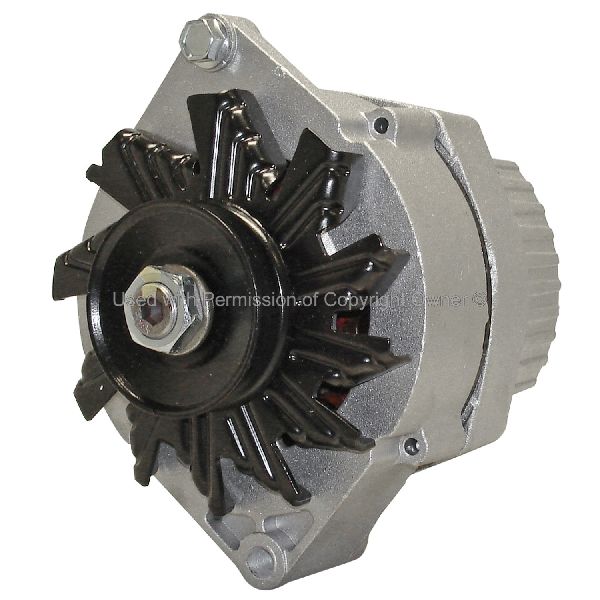
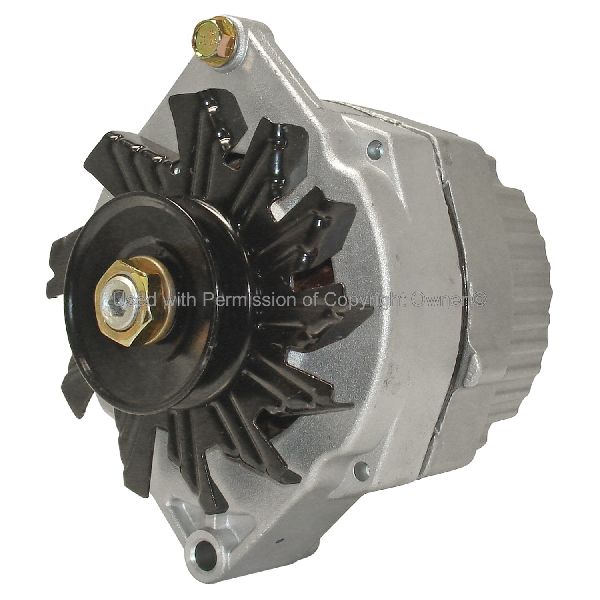
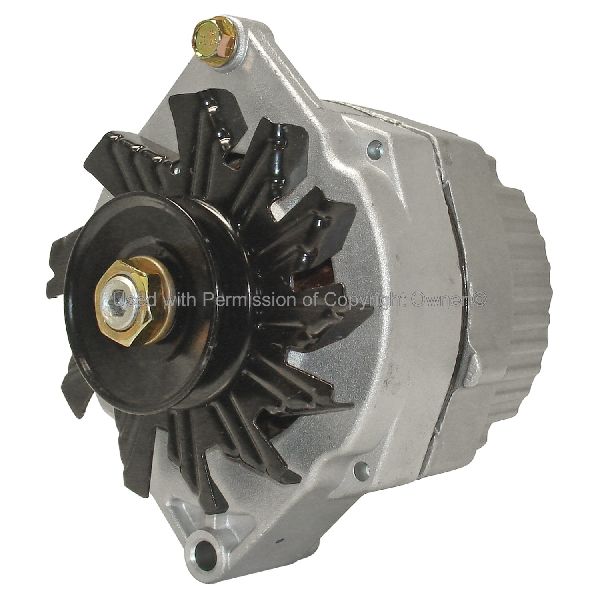
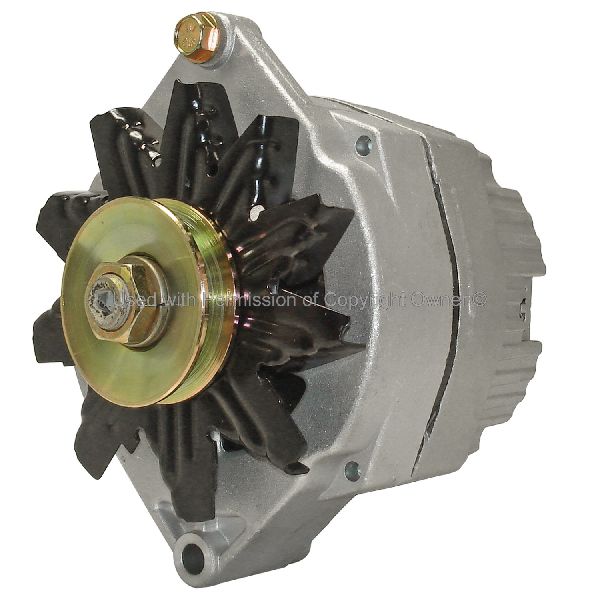
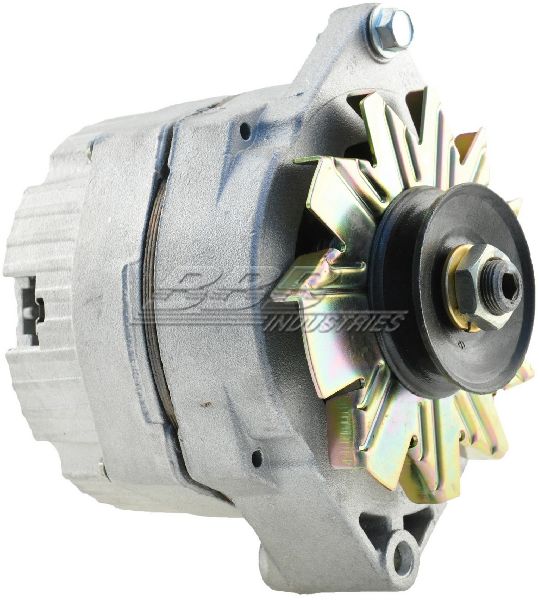
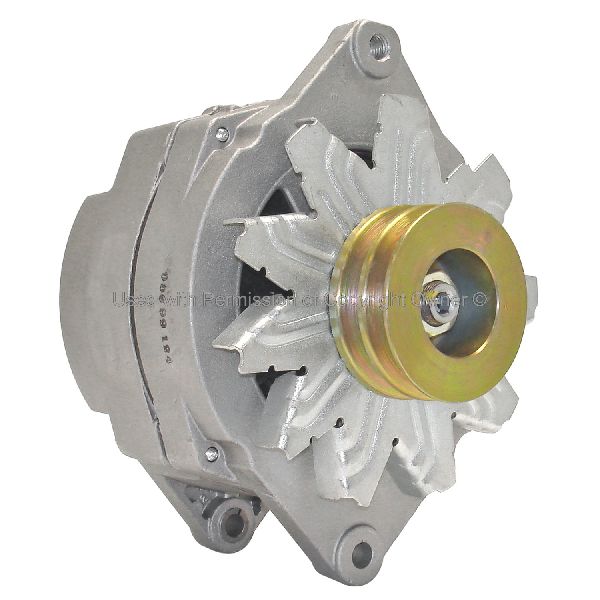
Standard output is 63 amps. The alternator uses an external fan and a single V-groove pulley. It is typically an internally regulated, three-wire (10SI style) unit.
We Have This Part in Stock

The information in this article is provided for general reference and educational purposes only. Vehicle specifications, procedures, and part compatibility can vary by production date, trim level, and region. Always consult your vehicle's factory service manual and verify part numbers before purchasing or performing repairs. Safety-critical components such as airbags, seat belts, and braking systems should be installed by a qualified professional.