

Choosing the Right Ignition Coil for Your 1979 Subaru FE
Keep your classic Subaru's engine firing on all cylinders with a reliable new ignition coil.
- A failing ignition coil on your 1979 FE is a critical issue; complete failure will leave you stranded.
- Symptoms include no-start, stalling, rough idle, and backfiring; your vehicle does not have a check engine light to warn you.
- Replacement is very easy and can be done in under 30 minutes with basic tools.
- For reliability, choose a top-tier brand like NGK or Standard Ignition over cheaper economy options.
Is Your 1979 Subaru FE Ignition Coil Failing?
The ignition coil on a classic vehicle like the '79 Subaru FE is a simple but essential component. It's an oil-filled canister coil that provides the spark for the entire engine. Because it's a single point of failure, when it starts to go bad, the symptoms are usually obvious and will quickly get worse. A complete failure will leave you stranded, as the engine will not start at all.
Symptoms of a Bad Ignition Coil:
- No-Start Condition: The most severe symptom. The engine cranks but will not fire up because there is no spark.
- Engine Stalling: The car may start but then stall unexpectedly as the coil overheats and fails. It might restart after cooling down, only to stall again.
- Rough Idle and Misfires: The engine may run poorly, shake, or vibrate, especially when idling at a stoplight. This happens when the coil provides a weak or inconsistent spark.
- Backfiring: Loud popping sounds from the exhaust can occur when unburned fuel ignites in the hot exhaust pipes due to a lack of spark in the cylinder.
- Poor Acceleration: You'll notice a significant lack of power when trying to accelerate, as the engine isn't firing efficiently.
- Worsening Fuel Economy: An inefficient spark leads to incomplete fuel combustion, meaning you'll be stopping for gas more often.
Choosing the Right Aftermarket Ignition Coil
Finding a new OEM ignition coil from Subaru for a 1979 vehicle is highly unlikely. The aftermarket is your primary source for this part. The brands available offer a range of quality and price points. For a critical component like the ignition coil, choosing a reputable brand is important for reliability.
Brand Quality Tiers
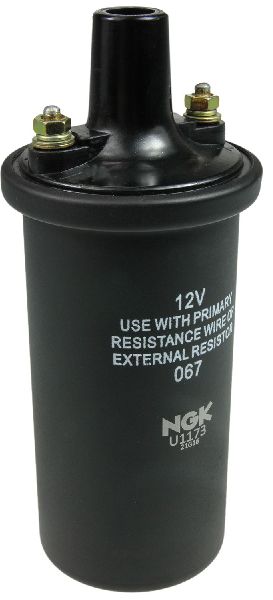
- Top Tier (OEM Quality): Brands like NGK and Standard Ignition (SMP) are well-regarded in the industry for producing reliable ignition components that meet or exceed original specifications. For a daily driver or a car you depend on, these are your safest bets.
- Performance Tier: Accel is known for performance-oriented ignition parts. While some users have mixed reviews, they can be a good option for older vehicles, but don't expect significant performance gains over a quality standard replacement.
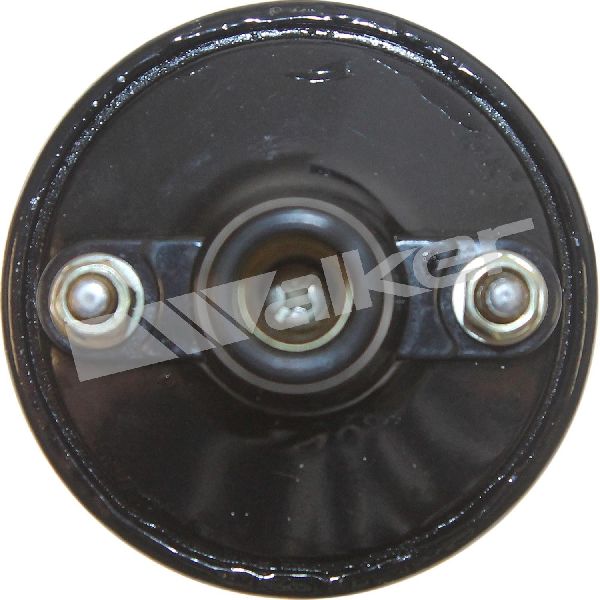
- Standard Tier: Brands such as Walker Products, Holstein, and Delphi generally offer decent quality parts that serve as reliable stock replacements. They provide a balance of price and quality for most owners.
- Economy Tier: Brands like Spectra, WAI Global, and Global Parts Distributors (GPD) are budget-friendly options. While the low price is appealing, be aware that some user experiences point to a higher chance of premature failure. These are best suited for temporary fixes or very tight budgets.
Estimated Replacement Costs
Replacing the ignition coil on a '79 FE is a straightforward job. The part is inexpensive and easy to access in the engine bay.
| Part/Service | Estimated Cost |
|---|---|
| New Aftermarket Ignition Coil | $27 - $52 |
| Shop Labor | $60 - $80 |
| Total Estimated Cost (DIY) | $27 - $52 |
| Total Estimated Cost (Installed at Shop) | $87 - $132 |
Cost estimates are for reference only and may vary based on your location, the specific part brand chosen, and the shop's labor rates.
Frequently Asked Questions (FAQ)
Can I drive my Subaru FE with a failing ignition coil?
It is not recommended. While you might be able to drive with early symptoms like a rough idle, a complete coil failure will shut the engine off entirely, leaving you stranded. It's best to replace it as soon as symptoms appear.
Is replacing the ignition coil a difficult DIY job?
No, this is one of the easiest repairs you can do. The coil is typically held by a single bracket and has three wire connections. Basic hand tools are all that's required, and the job can be done in under 30 minutes.
Does my 1979 Subaru FE need a coil with an external resistor?
Yes, ignition systems of this era typically use an external ballast resistor to regulate voltage to the coil. Some aftermarket coils may have one built-in, but most direct-fit replacements for your vehicle will be designed to work with the factory external resistor.
Should I replace my spark plugs and wires at the same time?
It's a good idea. A failing coil can put extra stress on other ignition components. If your spark plugs and wires are old, replacing them with the coil ensures the entire ignition system is refreshed and working efficiently.
Technical Specifications
Coil Type: Oil-Filled Canister Ignition Type: Electronic (External Resistor Required) Aftermarket Cross-Reference Part Numbers: NGK 49030, Standard Motor Products UF-2, WAI Global CUF3 Primary Resistance (Target): ~1.4 Ohms Secondary Resistance (Target): ~11.8 k-Ohms
We Have This Part in Stock


The information in this article is provided for general reference and educational purposes only. Vehicle specifications, procedures, and part compatibility can vary by production date, trim level, and region. Always consult your vehicle's factory service manual and verify part numbers before purchasing or performing repairs. Safety-critical components such as airbags, seat belts, and braking systems should be installed by a qualified professional.