

A Guide to Accessory Drive Belts for the 1979 Subaru FE
Keep your classic 1979 Subaru FE running reliably by understanding and choosing the right new accessory drive belts.
- Your 1979 Subaru FE uses multiple V-belts, not a single serpentine belt; confirm your car's options (A/C, power steering) before buying.
- Squealing noises and visible cracks are clear signs that your belts need immediate replacement to avoid being stranded.
- High-quality aftermarket brands like Gates, Dayco, and Continental are excellent and reliable choices for this vehicle.
- For best results and to save on future labor, it is recommended to replace all accessory drive belts at the same time.
Understanding Your 1979 Subaru FE's Belt System
The 1979 Subaru FE, with its 1.6L EA-71 engine, has a straightforward and robust accessory drive system. It does not use a modern, single serpentine belt. Instead, it relies on a set of two or three separate V-belts. This is a common design for vehicles of this era. One belt typically drives the alternator, while others are used if the car is equipped with options like air conditioning or power steering. These belts are wear-and-tear items and must be inspected regularly and replaced when they show signs of age or damage.
Symptoms of a Failing Accessory Drive Belt
A failing V-belt will almost always give you a warning sign before it breaks. Ignoring these signs can leave you stranded. Be alert for the following symptoms:
- Squealing Noises: This is the most common sign of a problem. A high-pitched squeal or chirp, especially on cold starts or during sharp turns, usually means a belt is loose or its surface has become hard and glossy (glazed), causing it to slip on the pulleys.
- Visible Damage: A visual inspection can reveal a lot. Look for cracks, fraying, missing chunks of rubber, or a shiny, smooth surface on the belt. Any of these signs mean the belt's integrity is compromised and it needs to be replaced.
- Battery Warning Light: If the belt driving the alternator breaks, the alternator will stop charging the battery. This will cause the battery warning light on your dashboard to illuminate, and you will be running on battery power alone, which will not last long.
- Loss of A/C or Power Steering: If your FE is equipped with these options, a failed belt will cause that specific system to stop working immediately. You might notice the air conditioning blowing warm air or the steering becoming very heavy and difficult to turn.
Choosing the Right Aftermarket Belts
For a vintage vehicle like the 1979 Subaru FE, finding original equipment (OEM) Subaru belts is nearly impossible. However, the aftermarket provides excellent, high-quality options from reputable brands that have been making belts for decades. For a simple V-belt system, you can be confident in the quality of top-tier aftermarket brands.
Brand Quality Tiers:
- Gates: Often considered a top-quality brand, Gates is a well-respected manufacturer that supplies belts to many automakers. Their belts are known for durability and precise fit.
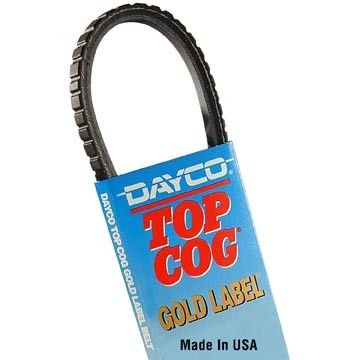
- Dayco: Dayco is another major OEM supplier and a trusted name in the aftermarket. Their belts are known for quiet operation and reliability, and they have been making quality belts for over a century.
- Continental: Continental (which now produces belts formerly branded as Goodyear) is a global leader in rubber products. Their belts are known for quality materials and long service life.
Pro-Tip: For the 1979 Subaru FE, any of these three brands will provide excellent performance. The best choice often comes down to price and availability. Since you may be replacing multiple belts, consider buying them as a set to ensure even wear and to save on future labor.
| Item | Estimated Cost |
|---|---|
| New Aftermarket Belts (per belt) | $3 - $31 |
| Shop Labor | $75 - $225 |
| Total Estimated Cost | $80 - $250+ |
Frequently Asked Questions (FAQ)
How many accessory belts does my 1979 Subaru FE have?
It depends on your car's factory options. A base model may only have one or two belts for the alternator. A model with air conditioning and/or power steering will have additional belts, typically for a total of two or three. It is essential to confirm your vehicle's setup before ordering parts.
What is a V-Belt?
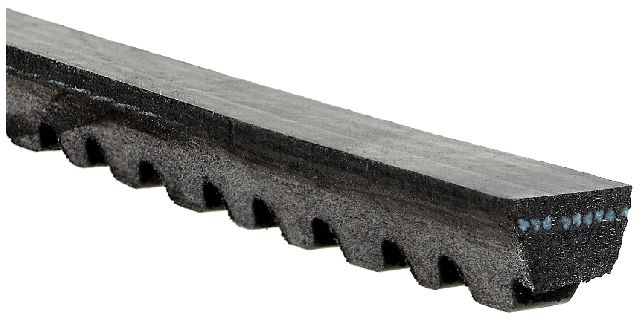
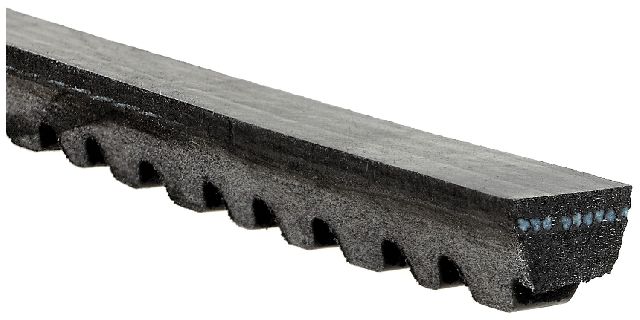
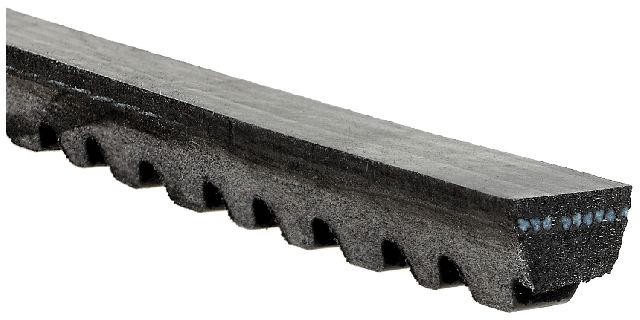
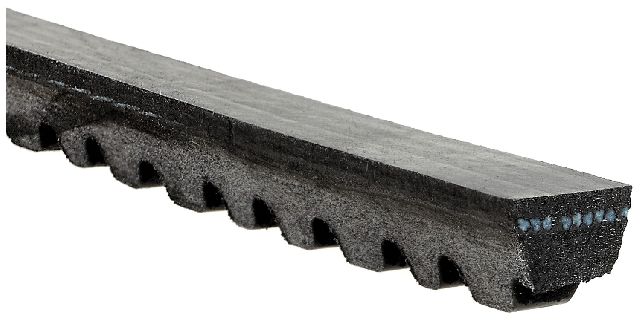
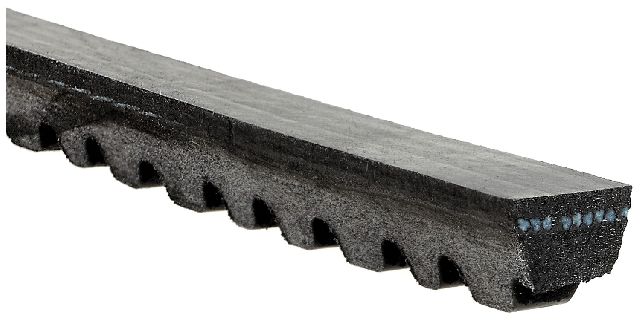
A V-belt is a type of drive belt with a trapezoidal or "V" shape. This shape helps it wedge securely into the grooves of the engine's pulleys, providing good grip to transfer power. This is different from a modern serpentine belt, which is flat and ribbed.
How do I know if a new belt is tight enough?
Proper tension is key. A loose belt will slip and squeal, while a belt that is too tight can damage the bearings in the alternator or other accessories. A common rule of thumb is to press down on the belt at the longest point between two pulleys; there should be about a half-inch of deflection. Always consult a service manual for exact specifications if available.
Were there any recalls for the 1979 Subaru FE drive belts?
No, there are no recalls or technical service bulletins (TSBs) on record with the NHTSA related to the accessory drive belts for the 1979 Subaru FE. Any issues that arise are due to normal wear and tear over time.
Technical Specifications
The system uses multiple V-belts. The exact number, length, and width of the belts depend on the factory-installed accessories, such as air conditioning and power steering.
We Have This Part in Stock

The information in this article is provided for general reference and educational purposes only. Vehicle specifications, procedures, and part compatibility can vary by production date, trim level, and region. Always consult your vehicle's factory service manual and verify part numbers before purchasing or performing repairs. Safety-critical components such as airbags, seat belts, and braking systems should be installed by a qualified professional.