

Choosing the Right Distributor Cap for Your 1978-1986 Chevrolet C20 Suburban
Keep your classic square body running strong by understanding how to pick the best new aftermarket distributor cap for its HEI ignition system.
- Always replace the distributor rotor at the same time as the cap.
- Choose a cap with brass terminals over aluminum for better durability and corrosion resistance.
- Ensure the distributor's base vents are clear and consider insulating the overhead A/C line to prevent moisture damage.
- Carefully transfer spark plug wires one by one to the new cap to maintain the correct firing order.
Signs of a Failing Distributor Cap
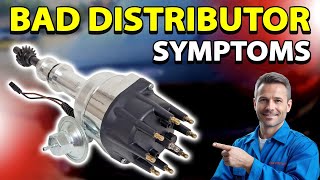
When your C20 Suburban's distributor cap starts to wear out, it can cause a range of noticeable engine problems. 🎬 Watch this guide on common distributor cap failure symptoms. Because the cap handles high voltage, it can develop cracks, carbon tracks, or corrosion on the metal terminals, leading to a weak or misdirected spark. You might notice one or more of the following symptoms:
- Engine Misfires or Rough Idle: The engine may shake, stumble, or run unevenly, especially when idling. This happens when a cylinder doesn't fire correctly.
- Trouble Starting: A worn or cracked cap can make it difficult to start the engine, or cause a "cranks but won't start" condition. This is especially common in cold or damp weather.
- Hesitation or Stalling: The truck may hesitate during acceleration or stall unexpectedly because the spark isn't consistent.
- Check Engine Light: On later models with basic diagnostics, a persistent misfire from a bad cap can trigger the check engine light.
- Visible Damage: If you inspect the cap, you might see cracks in the plastic, white or greenish corrosion on the terminals, or black lines (carbon tracking) between the terminals. 🎬 Learn how to identify and fix a bad distributor.
Moisture is the Enemy
A common issue on these GM trucks is moisture getting inside the distributor cap. This can be caused by clogged vent screens in the distributor base or from condensation dripping from the air conditioning lines that run overhead. This moisture leads to rapid corrosion of the terminals and misfires. When replacing your cap, ensure the distributor vents are clear.
Choosing the Right Aftermarket Distributor Cap
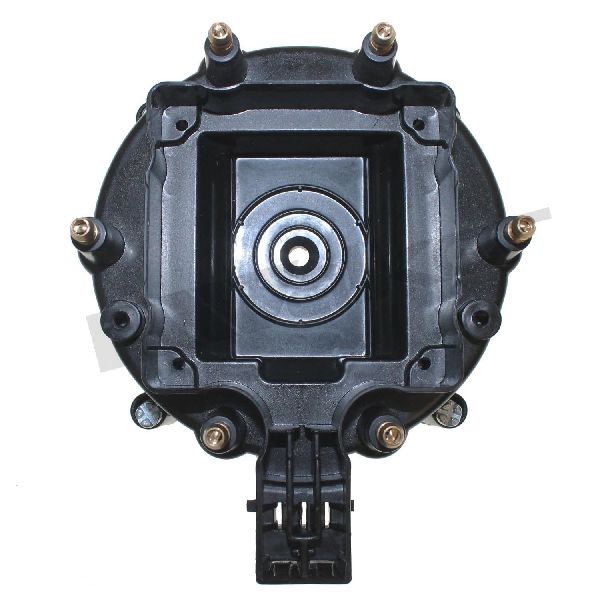
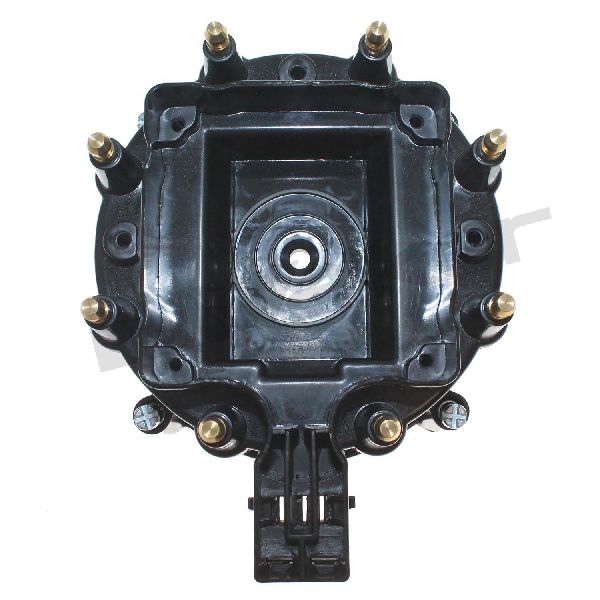
For a vehicle from this era, original OEM parts are scarce. Aftermarket manufacturers offer a wide range of quality replacements. The key difference often comes down to the material used for the electrical contacts inside the cap.
- Aluminum Terminals: Found in most standard or budget-friendly caps. They work fine for a stock daily driver but tend to corrode faster, especially if moisture is present.
- Brass Terminals: The preferred choice for durability and performance. Brass is more resistant to corrosion and provides a better, more consistent electrical connection. Brands like MSD and higher-tier lines from Standard Ignition often use brass.
Brand Tiers at a Glance
When shopping for your C20 Suburban, you'll likely encounter these brands:
- MSD: A performance-focused brand known for high-quality materials, like red high-dielectric plastic and brass terminals. They are an excellent choice for modified engines or for owners who want maximum durability, though some users report fitment issues requiring care during installation.
- Standard Ignition (SMP): A highly respected aftermarket brand that offers multiple quality levels. Their premium lines are often considered OE-equivalent and are a reliable choice for a stock or lightly modified truck.
- Walker Products: Often positioned as a budget-friendly option, providing a functional replacement for standard applications.
Pro Tip: Replace as a Set
It is always recommended to replace the distributor rotor at the same time as the cap. The rotor is the spinning component that makes contact with the cap's terminals, and it wears out at a similar rate. Many brands sell these parts together in a convenient kit.
Cost of a New Aftermarket Distributor Cap (1978-1986 Chevrolet C20 Suburban)
| Part Type | Price Range |
|---|---|
| New Aftermarket Distributor Cap | $20.62 - $32.08 |
| New Aftermarket Cap & Rotor Kit | $30 - $60 |
| Shop Labor for Installation | $49 - $72 |
Frequently Asked Questions
How often should I replace the distributor cap and rotor?
The distributor cap and rotor are considered maintenance items. For a daily driver, inspecting them during a tune-up every 30,000 miles is a good practice. If you see any signs of wear, corrosion, or cracking, they should be replaced.
What is the difference between a male (HEI) and female cap?
Your 1978-1986 C20 Suburban uses a GM HEI distributor, which requires a male-terminal cap. The spark plug wires designed for this system have female connectors that clip onto the male posts of the cap. Older, non-HEI systems used female-terminal caps where the wire plugged into a socket.
Can a bad distributor cap cause my truck not to start?
Yes. A severely cracked cap, a cap with heavy moisture inside, or one with a completely worn-out center terminal can prevent the spark from reaching the plugs, resulting in an engine that cranks but will not start.
What is carbon tracking?
Carbon tracking refers to small, black lines of carbon that form on the inside of the distributor cap, usually between terminals. This happens when spark energy arcs between terminals instead of following its intended path. These carbon lines create a conductive path, which can cause misfires or cross-firing (sparking the wrong cylinder).
Is it hard to replace the distributor cap myself?
No, this is a very DIY-friendly job. It typically involves removing the air cleaner, labeling the spark plug wires, unscrewing two or four clips/screws, and swapping the cap. The most critical step is to transfer the spark plug wires to the new cap in the exact same order to maintain the correct firing sequence.
Helpful Videos

Technical Specifications
Distributor Type: HEI (High Energy Ignition), Terminal Type: Male, Terminal Material: Brass or Aluminum, Number of Cylinders: 8
We Have This Part in Stock


The information in this article is provided for general reference and educational purposes only. Vehicle specifications, procedures, and part compatibility can vary by production date, trim level, and region. Always consult your vehicle's factory service manual and verify part numbers before purchasing or performing repairs. Safety-critical components such as airbags, seat belts, and braking systems should be installed by a qualified professional.